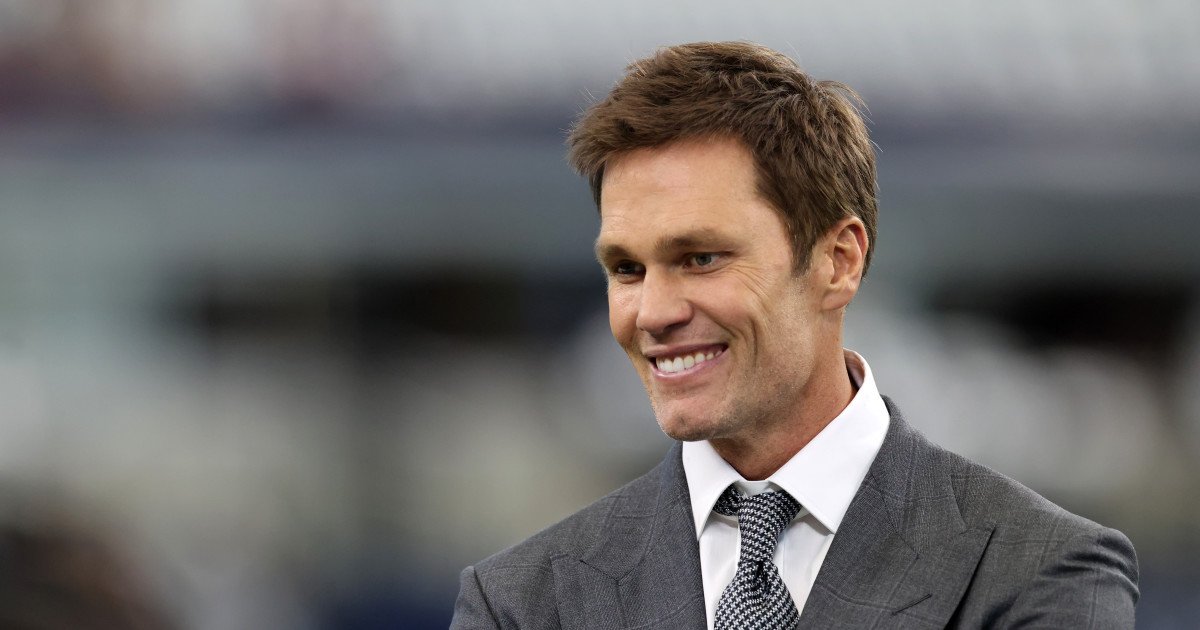
Just when you thought the NFL's greatest quarterback had finally settled into retirement, the competitive fire flickers once more. Tom Brady, the seven-time Super Bowl champion, has revealed he recently tested the waters for a potential return to the field. There's just one massive, league-sized hurdle: he's now a minority owner of the Las Vegas Raiders.
In a candid moment with CNBC, Brady admitted he "inquired" with the NFL about the possibility of suiting up again while holding his ownership stake. The league's response, according to Brady, was about as welcoming as a blitz on third-and-long. "I actually have inquired, and they don't like that idea very much," Brady said, adding that he's "very happily retired" after exploring the option.
The League's Unbreakable Rulebook
The NFL's reluctance isn't about doubting Brady's legendary arm talent, even at 48. It's a logistical and ethical minefield. The core issue is a monumental conflict of interest. How could the league possibly allow a player to negotiate a contract with a team in which he holds a financial stake? It would create a salary cap nightmare and shatter the competitive integrity the league fiercely protects.
This isn't just a modern formality. While legends like Curly Lambeau and George Halas pulled double duty as player-owners nearly a century ago, the NFL's landscape has transformed into a multi-billion-dollar enterprise with rules designed to prevent such scenarios. The message from the league office is clear: if Brady wants to play, he'd have to sell his piece of the Raiders first.
Social Media Erupts with Fatigue
As news of Brady's exploratory question spread, the reaction from NFL fans was a predictable cocktail of amusement, exasperation, and blunt honesty. The collective sentiment seemed to be, "Here we go again."
On social media platform X, the responses were swift. One fan pleaded, "Someone remove this man from my TL for once & for all," capturing the fatigue some feel with the endless Brady comeback speculation. Another user joked about the magnetic pull of the game, writing, "Every single football he touches really talks to him like a green goblin mask." The criticism was sometimes more direct, with a third fan stating simply, "I hate this guy."
Many fans recognized the league's position as the only sane one. "The NFL's refusal isn't just about 'fairness' it's a massive salary cap and conflict-of-interest nightmare," one astute observer noted. "How do you negotiate a player contract with yourself while holding 5% equity? The league is protecting the integrity of the cap here, and they're right to do it."
A Sign of Unfinished Business?
Brady's public dabbling in televised flag football events now looks like more than just a business venture or a fun exhibition. It appears to be a genuine outlet for a competitor who still hears the call of the game. His recent push to revolutionize flag football for the Olympic stage shows his deep involvement, but the NFL is a different beast entirely.
The episode is another fascinating chapter in Brady's post-retirement life, which has certainly had its share of unexpected turns, leaving some fans baffled by his new path. It also sets a fascinating precedent, as the league may now need to formalize what some are calling the "Brady Rules" for future player-owner conflicts, a topic already under scrutiny with figures like Troy Aikman in dual roles.
For now, the door to an NFL return appears firmly locked, barred by rulebooks and common sense. While Brady may have proven in flag football that the competitive flame still burns, the NFL has effectively doused it with a cold bucket of reality. Unless he parts ways with his ownership stake, this comeback dream is staying on the sidelines.