The pressure cooker of March Madness exploded with controversy Sunday, and the fuse was lit by a single whistle. In a pivotal Elite Eight showdown between Duke and UConn, a crucial second-half call involving star forward Cameron Boozer has become the center of a raging officiating debate, leaving fans and pundits alike questioning what they saw.
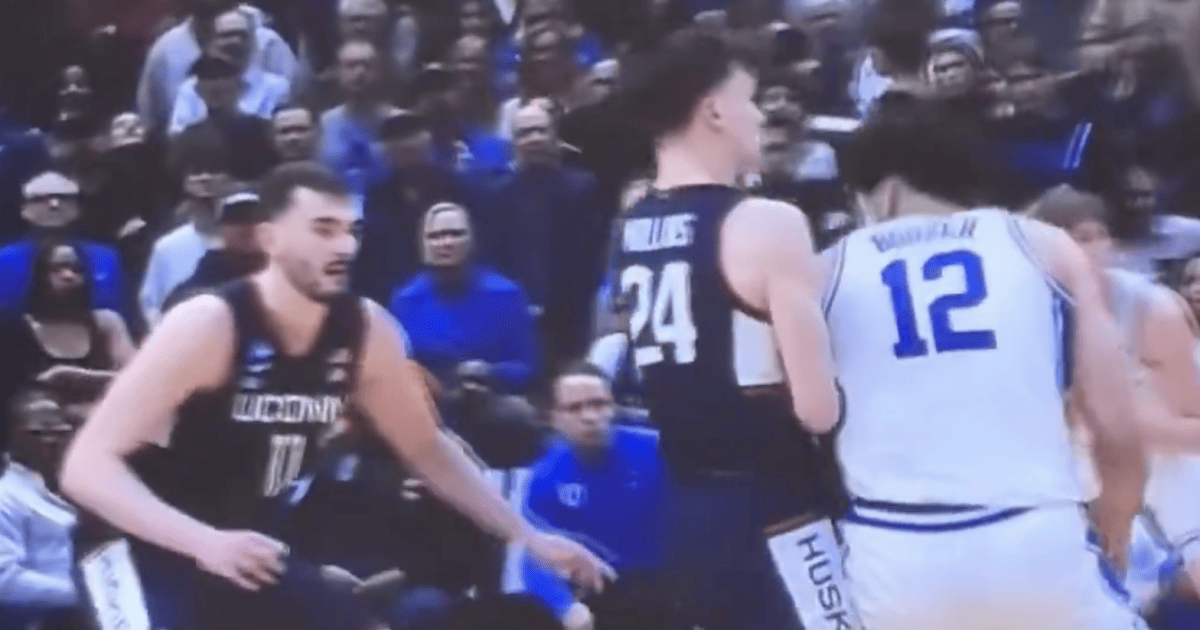
With the game hanging in the balance, Boozer drove hard to the basket, colliding with UConn guard Braylon Mullins. The immediate aftermath saw the official signal for a blocking foul on Mullins, sending the Duke phenom to the free-throw line. But replays told a different story to many watching, one that seemed to fit the textbook definition of an offensive charge.
The Rulebook vs. The Reality
According to NCAA rules, a charge requires the defender to be in a legal guarding position, outside the restricted area, and not be the initiator of contact. The visual evidence presented a stark contrast: Mullins, giving up significant size to Boozer, appeared planted before the collision. The decision to award Boozer two shots instead of charging him with a turnover and foul felt, to a vocal majority, like a game-altering mistake.
The reaction across social media was instantaneous and volcanic. "How is that not a charge on Boozer?" became the rallying cry, with one exasperated fan adding, "Mullins obliterated by Boozer in the lane, no charge called." The sentiment echoed a broader frustration, with another comment reading, "These refs let Boozer do whatever he wants... Duke is unwatchable the refs help them so much every game." The incident quickly became emblematic of a larger narrative of whistles under fire during high-stakes tournament games.
A Pattern of Frustration for UConn?
For UConn Nation, the controversial moment added insult to injury. The Huskies found themselves battling not just a talented Duke squad but a mounting foul disparity, finishing the game with 16 team fouls. This incident will undoubtedly be added to a list of grievances for Huskies fans, who have recently voiced their displeasure over issues ranging from late-night tip-off times to perceived seeding slights. The call threatened to overshadow the performance of players like Alex Karaban, who is in the midst of his final mission to cement his UConn legacy.
The fallout from such a visible officiating controversy in the Elite Eight raises serious questions about consistency and accountability. In an era where every angle is broadcast in ultra-high definition, the margin for error in judgment calls shrinks by the minute. This play wasn't a borderline travel or a subtle hand-check; it was a high-impact, full-speed collision at the rim with millions watching.
While Duke benefited from the call in the moment, the discourse shifts the spotlight onto the officials. Demands for investigation or review, however symbolic, highlight a growing impatience with errors that can directly alter the trajectory of a season. It's a conversation familiar across sports, reminiscent of the uproar over blown calls in baseball that challenge the very systems in place to correct them.
As the final seconds ticked away on CBS, the debate was just beginning. Was it a block, a charge, or an unforgivable mistake? One thing is certain: in the heart of March, a single whistle can echo far louder than the final buzzer, leaving a lasting imprint on how a classic game is remembered.