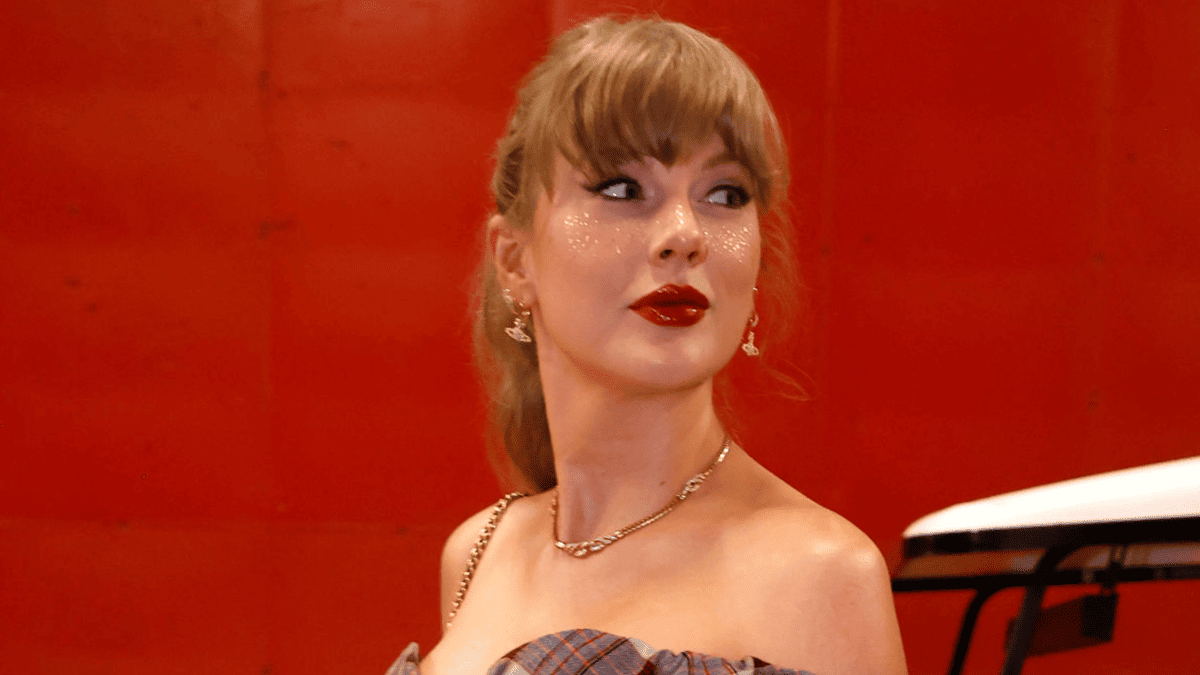
Love her or hate her, Taylor Swift can't seem to escape the boos—whether she's on a concert stage or in an NFL stadium. The pop icon, who has become a fixture at Kansas City Chiefs games thanks to her relationship with tight end Travis Kelce, was reportedly jeered again over the weekend, this time during a tribute video for country legend Alan Jackson. But the real debate isn't about the boos themselves; it's about what drives them.
According to a report from TMZ Sports, Swift's virtual appearance at Jackson's final concert in Nashville drew audible disapproval from the crowd, even as other celebrities shown on screen received warm applause. The incident comes just days before Swift and Kelce's highly secretive wedding, which has reportedly left guests in the dark about the location and details.
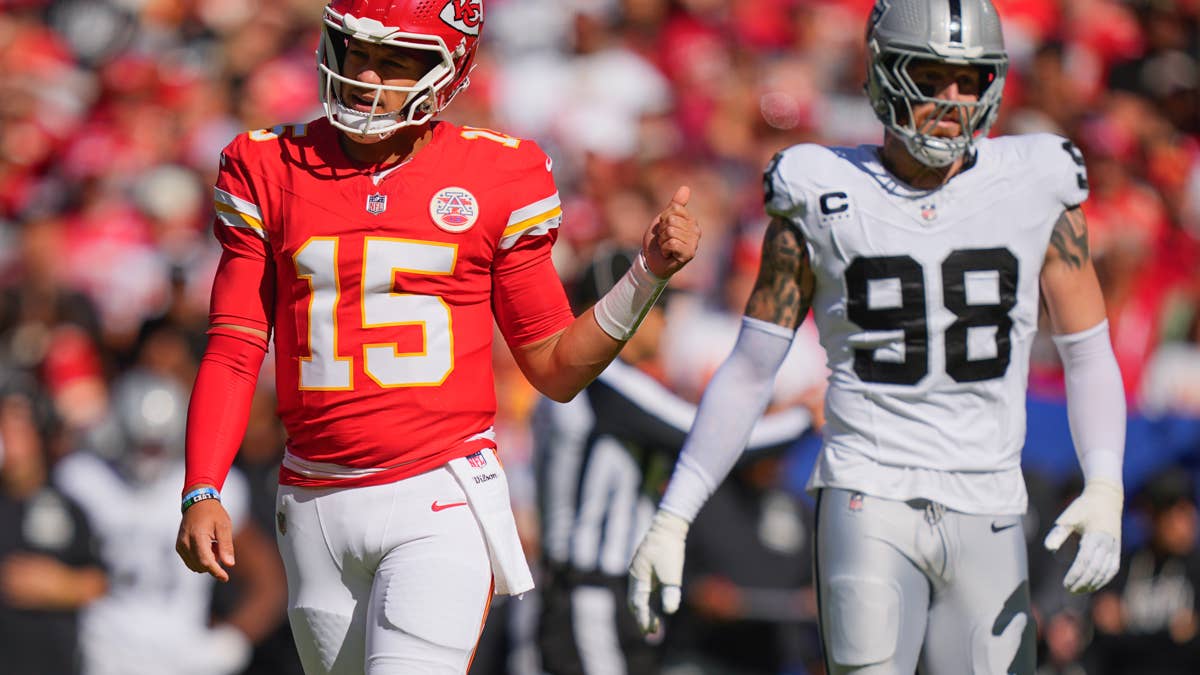
But the booing at a country music farewell is only the latest chapter in a longer story. During the 2025 Super Bowl in New Orleans, Swift was met with a chorus of jeers from Philadelphia Eagles fans, who made it clear they weren't cheering for the Chiefs—or for her. Video clips from the game show Swift looking confused, mouthing, "What's going on?" as the crowd turned hostile.
While booing opposing team's supporters is as old as sports itself, some commentators argue that the treatment of Swift crosses a line. A recent headline from Metro declared, "Booing Taylor Swift? You might be a misogynistic loser," sparking a fresh wave of debate. The article's author didn't mince words, calling the reaction "exhaustingly performative" and suggesting that many of the boos—especially from men—are rooted in a desire to define themselves by their dislike of a successful woman.
Swift has been a polarizing figure for two decades, and her crossover into the NFL world has only intensified the scrutiny. Yet, not every boo is born from sexism. As any seasoned sports fan knows, cheering against the opponent is part of the game. When Swift cheers for the Chiefs, it's natural for fans of the opposing team to jeer back. The line blurs, however, when the booing seems targeted at her simply for existing in a space dominated by male athletes and fans.
The conversation echoes broader cultural debates about how women are treated in male-dominated arenas. Swift's presence at NFL games has brought a new audience to the sport, but it has also exposed a undercurrent of hostility that some say goes beyond friendly rivalry. The pop star has faced rumors about her personal life and even been accused of buying up all the flowers in New York City for her wedding—claims that were quickly debunked.
Whether the boos are driven by misogyny, team loyalty, or just a general dislike of pop culture icons, the accusations are serious. As Swift continues to navigate her role as an NFL fixture—and prepares for a wedding that has become a media spectacle—the question remains: Is it fair game to boo her, or does it reveal something darker about sports culture?
For now, the debate rages on, with Swifties and football fans alike weighing in. One thing is certain: Taylor Swift isn't going anywhere, and neither are the boos—or the accusations that come with them.