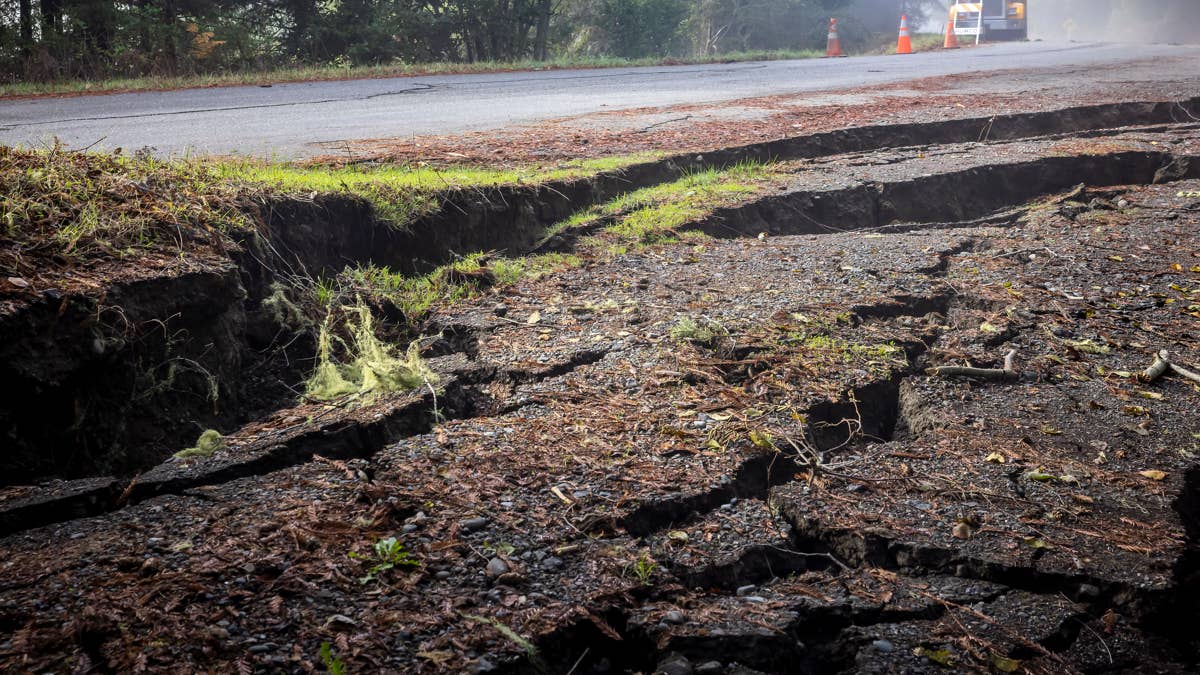
The ground moved under the San Francisco Bay Area on Thursday morning as a 4.1 magnitude earthquake rattled the region. The quake struck just after 8:30 a.m. PT, according to the National Weather Service, sending a jolt through communities already familiar with seismic activity.
The epicenter was located 2.5 miles north of San Leandro, a city in Alameda County, the NWS confirmed. Social media lit up within minutes, with meteorologist Max Velocity posting on X: "BREAKING: A magnitude 4.1 earthquake occurred near San Francisco, California, at 8:30 a.m. PT! Did anyone in the area feel the shaking?"

The NWS Bay Area office also weighed in, urging residents to report their experiences: "This just in: a 4.1 magnitude earthquake struck 2.5 miles north of San Leandro 🫨 If you felt it, consider filling out the Felt Report by @USGS_Quakes."
While no major damage or injuries have been reported, the quake serves as a stark reminder of the region's vulnerability to seismic events. California sits atop several active fault lines, and even moderate tremors can cause disruption and anxiety.
In the wake of the shaking, officials and safety experts are re-emphasizing the importance of knowing what to do when the earth moves. The recommended protocol is simple: Drop, Cover, and Hold On.
Drop, Cover, and Hold On
- DROP immediately onto your hands and knees. This position keeps you from being knocked down and allows you to crawl to a safer spot.
- COVER your head and neck with your arms. If a sturdy table or desk is nearby, crawl under it for protection. If not, move to an interior wall away from windows, stay on your knees, and bend over to shield yourself.
- HOLD ON until the shaking stops. If you're under furniture, grip it tightly—it will move with the tremor. Use one arm to protect your head and neck, and if you're not under cover, keep both arms wrapped around your head.
These steps can mean the difference between injury and safety, especially in quakes that strike without warning.
Thursday's tremor comes amid a broader pattern of seismic activity across the U.S. Earlier this year, a 6.0 earthquake off the Hawaii coast prompted no tsunami warning but served as a reminder of nature's unpredictability. And just last month, a similar 4.1 quake rattled the Las Vegas region, showing that no part of the country is entirely immune.
For those who felt Thursday's shake, the USGS Felt Report is a valuable tool. It helps scientists track the intensity and reach of earthquakes, improving future response and preparedness. Residents can submit their experiences online, contributing to a real-time map of shaking across the Bay Area.
As the region settles back into routine, the message from emergency officials is clear: stay calm, stay informed, and always be ready. Earthquakes don't announce themselves, but with the right preparation, you can ride out the next one safely.