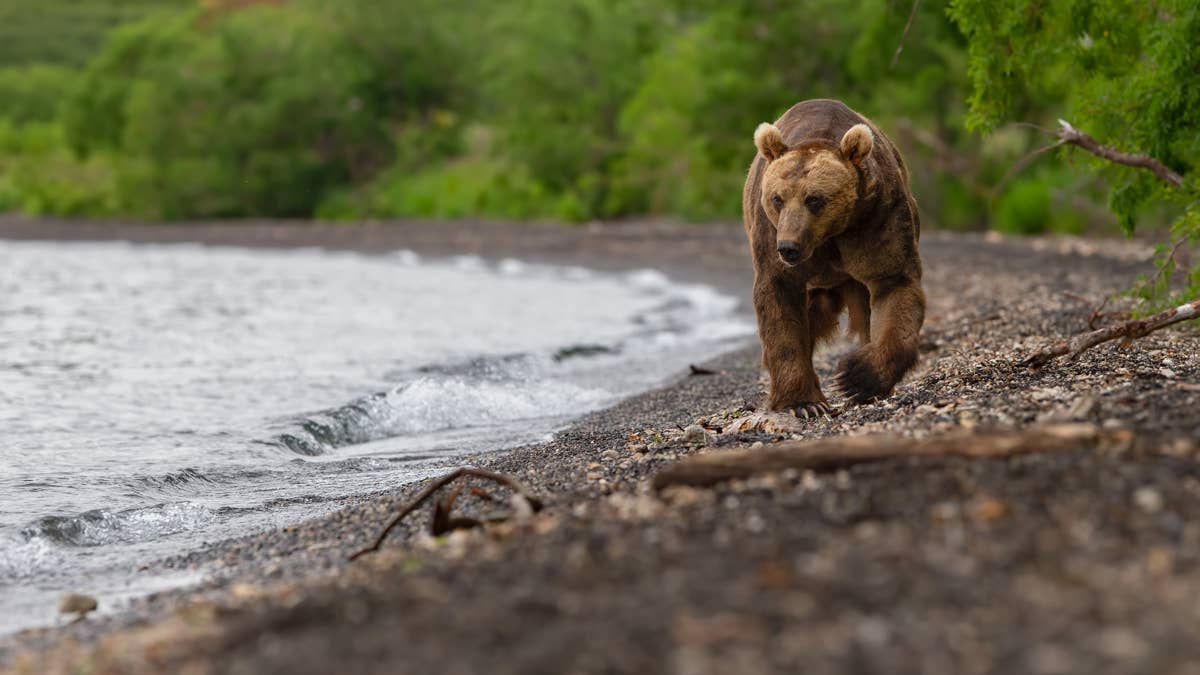
A routine military training exercise in the Alaskan wilderness took a dangerous turn this week when two U.S. soldiers found themselves in a harrowing confrontation with a brown bear. The incident, which resulted in injuries to both service members, occurred during a land navigation drill in the Arctic Valley training area of Joint Base Elmendorf-Richardson near Anchorage.
Defensive Action and Ongoing Recovery
According to military officials, the soldiers were able to deploy pepper spray in an effort to deter the animal during the unexpected encounter. While details on the extent of their injuries remain private, authorities confirmed that both individuals are currently receiving medical treatment. Their conditions have not been publicly disclosed, but the focus remains on their recovery.

"The safety and well-being of our personnel is our highest priority," stated Lieutenant Colonel Jo Nederhoed, spokesperson for the U.S. Army 11th Airborne Division. She emphasized that the incident is under active investigation and that the military is coordinating closely with local wildlife authorities. This collaboration aims to assess the situation and implement any necessary measures to protect personnel who train in these vast, wild spaces.
Training in Bear Country
The attack underscores the inherent risks of conducting military operations in Alaska's rugged terrain, which is home to a significant population of brown bears, also known as grizzlies. Joint Base Elmendorf-Richardson itself spans a massive 64,000 acres in southern Alaska, providing critical training grounds for numerous military units since its establishment. The base's expansive wilderness areas, while ideal for realistic training scenarios, also mean sharing the landscape with native wildlife.
This incident serves as a stark reminder that even the most prepared individuals can face unpredictable challenges in nature. While severe weather can disrupt sporting events, as seen with recent Thursday thunderstorms threatening sports events across nine states, encounters with wildlife present a different kind of hazard altogether. It's a scenario far removed from the controlled chaos of a stadium, yet it requires its own form of readiness and resilience.
Investigation and Safety Protocols
The ongoing investigation will likely review the soldiers' training for wildlife encounters, the protocols in place for such events, and the specific circumstances that led to the attack. Military training is designed to prepare personnel for a wide array of threats, but an animal attack is a visceral, unpredictable event. The use of pepper spray is a standard and recommended deterrent for bear encounters, suggesting the soldiers followed appropriate defensive procedures.
This story of survival in the wild resonates on a human level, much like when public figures face personal crises. For instance, fans recently rallied around sportscaster Erin Andrews after she opened up about her family's 'hellacious' holiday heart attack ordeal. In both cases, the focus shifts from public performance to personal well-being and recovery.
A Base with a Strategic History
Joint Base Elmendorf-Richardson is no ordinary post. Formed in 2010 from two separate bases with origins dating back to 1940, it has played host to significant geopolitical events, including a major summit between U.S. and Russian leaders. The base's strategic importance is matched by the demanding environment it occupies, where soldiers must be as prepared for the elements and local fauna as they are for their official duties.
As the investigation continues, the primary concern remains the health of the two injured soldiers. Their experience highlights the unpredictable intersection of military service and the untamed natural world—a reminder that sometimes, the most formidable opponent isn't on any battlefield map, but roaming the forests just beyond the trail.