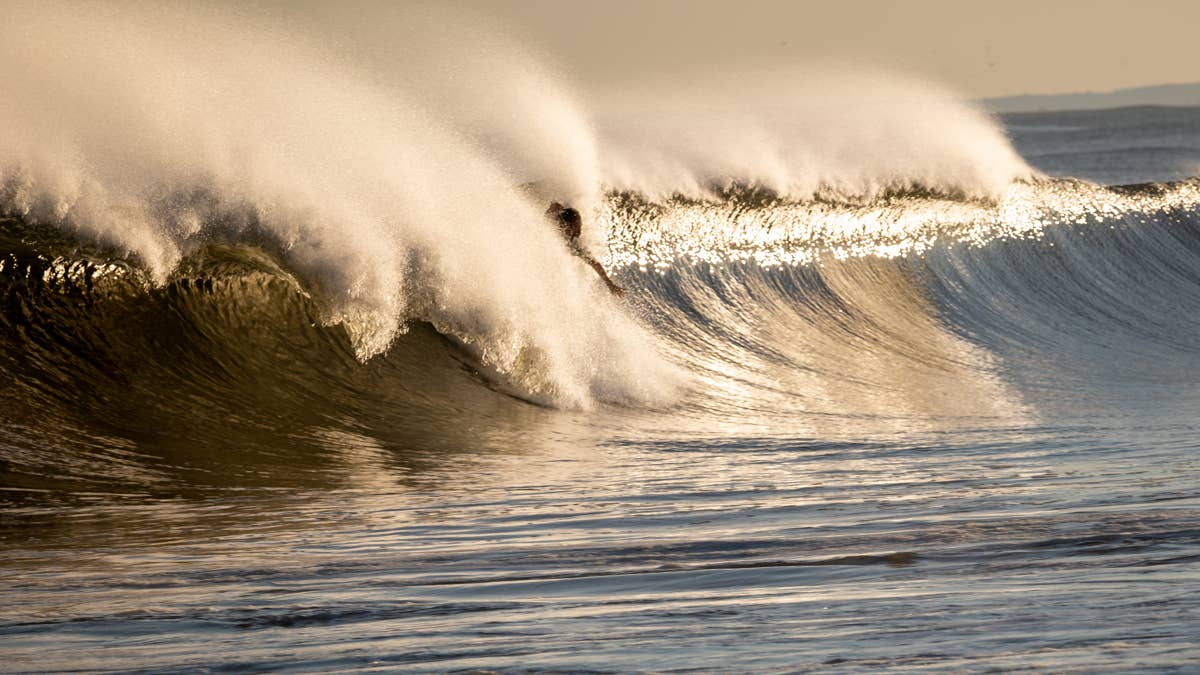
Summer is officially turning up the heat, and for millions of Americans, that means one thing: hitting the beach. With thermometers pushing toward 90 degrees in places like New York, coastal destinations are bracing for crowds. But beyond the sunscreen and surfboards, a silent and serious threat is building just beneath the waves—one that demands every visitor's attention.
The Invisible Hazard: More Than Just Sharks
When we think of ocean dangers, our minds often jump to sharks. However, a far more common and immediate peril is the rip current. These powerful, narrow channels of fast-moving water can surge away from the shore, capable of sweeping even the strongest swimmers out to sea in seconds. As families and athletes flock to the coast for recreation and relaxation, understanding this risk becomes a matter of safety.

This week, the urgency was underscored by an official warning issued for Florida's extensive coastline. The alert serves as a stark reminder that these conditions can develop on any beach, at any time. "Rip currents can sweep even the best swimmers away from shore into deeper water," the warning emphasized, highlighting that no one is immune to their pull.
Your Action Plan in the Water
Knowledge is your best defense. If you find yourself caught in a rip current, panic is your worst enemy. The key is to stay calm and remember these lifesaving steps:
- Don't Fight It: Never exhaust yourself by trying to swim directly back to shore against the current. You cannot outswim it.
- Float and Signal: Conserve energy by relaxing and floating. If possible, swim parallel to the shoreline until you escape the current's pull, then angle your way back to the beach.
- Call for Help: If you cannot break free, face the shore, wave your arms, and yell to attract the attention of a lifeguard or other beachgoers.
Remember, rip currents pull you out, not under. Staying afloat and signaling for assistance is critical. The most important precaution, however, is to always swim near a lifeguard whenever possible.
This warning comes as other weather-related disruptions are impacting the sports world. Recently, Midwest sports faced a washout due to flash flooding, and Texas sports Sunday faced severe weather threats that could disrupt major events. It's a potent reminder that environmental conditions play a huge role in athletic schedules and fan safety.
Beach sports, from casual volleyball to surfing competitions, are particularly vulnerable. Organizers and participants must stay vigilant, monitoring forecasts and heeding local advisories. Similar to how weather has halted play in Hawaii and Florida due to flood threats, rip currents can force event cancellations or require extreme safety protocols.
As we dive into the summer season, let's prioritize safety alongside fun. Share these tips with your friends and family. A day at the beach should be memorable for all the right reasons. By respecting the power of the ocean and staying informed, we can all enjoy the sun, sand, and surf responsibly. Stay alert, swim smart, and have a fantastic—and safe—summer.