A College Experience Unlike Any Other
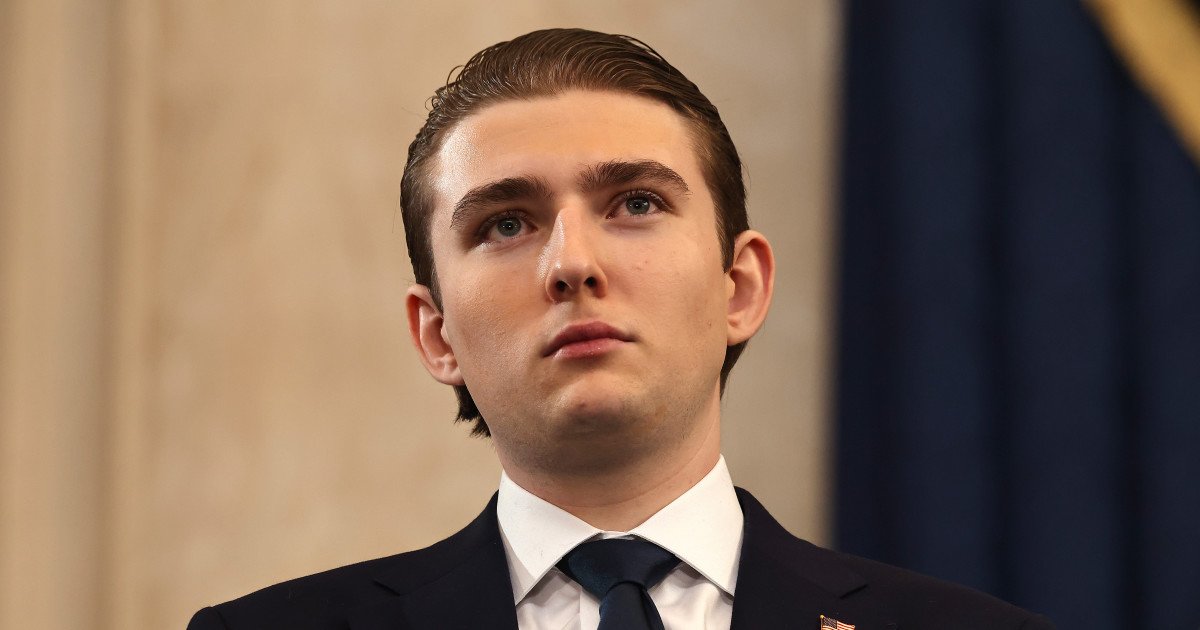
While most college sophomores navigate the familiar terrain of classes, friendships, and campus activities, Barron Trump's experience at New York University unfolds under extraordinary circumstances. As the son of a former U.S. president, his path through higher education comes with unique restrictions that recently surfaced in a surprisingly relatable context: the campus basketball court.
The Pickup Game Invitation
According to campus reports, fellow NYU students extended what many consider a universal collegiate olive branch—an invitation to join a casual pickup basketball game. For countless students worldwide, these impromptu games serve as social glue, forging friendships through shared competition and camaraderie. For Barron, however, the response had to be a regretful decline.
"He's sort of like an oddity on campus," Kaya Walker, president of the NYU College Republicans, told Vanity Fair. "He goes to class, he goes home." This simple description underscores the insulated reality of a young man whose mother, Melania Trump, has long prioritized shielding him from public scrutiny, even within the relative normalcy of university life.
A Sporting Background and Presidential Contrast
The situation carries particular irony given Barron's own athletic background. He was once an active youth soccer player performing at a high level, though he appears to have stepped back from organized sports. Meanwhile, his father, Donald Trump, remains famously visible at major sporting events—from Super Bowls and the U.S. Open to the Daytona 500 and Ryder Cup—embodying a very public engagement with athletics that contrasts sharply with his son's current constraints.
The security protocols surrounding a former president's family member inevitably limit spontaneous social interactions. Where most students might casually shoot hoops between lectures, Barron's participation in such unstructured activities is reportedly not permitted, turning what should be a simple pleasure into a logistical impossibility.
Campus Reaction: Sympathy and Disappointment
News of Barron's basketball ban resonated across campus and online, generating sympathy from peers who believe every student deserves a full college experience. Social media responses highlighted the collective disappointment:
- "Depressing to hear that," one commenter wrote.
- "No matter who he is, everyone deserves a fun college experience," another added.
- "Can't believe that. How sad," noted a third.
- One particularly passionate observer stated, "Pickup basketball is a rite of passage for every guy in college. He needs to play."
These reactions reveal how Barron's unique situation touches on universal college expectations. The inability to participate in such a fundamental campus ritual highlights the personal costs of extraordinary public life.
The Bigger Picture: Normalcy Versus Necessity
This incident illuminates the ongoing tension between normalcy and security that defines Barron Trump's young adulthood. While his classmates enjoy the unstructured freedom that defines college life—including the spontaneous bonds formed on courts and fields—his experience remains carefully managed. The basketball court, typically a great equalizer where backgrounds blur in favor of skill and teamwork, becomes another reminder of the barriers separating him from typical student experiences.
Ultimately, the story transcends sports to touch on themes of youth, privacy, and the peculiar burdens of fame. As Barron continues his studies, this episode serves as a poignant reminder that for some, even the simplest collegiate pleasures—like the sound of a basketball bouncing on an outdoor court—remain just out of reach.