Can a player truly be considered elite in the WNBA when they're connecting on fewer than 30% of their field goals and under 20% from beyond the arc? That's the question swirling around Angel Reese as she navigates a rough patch that's impossible to ignore.
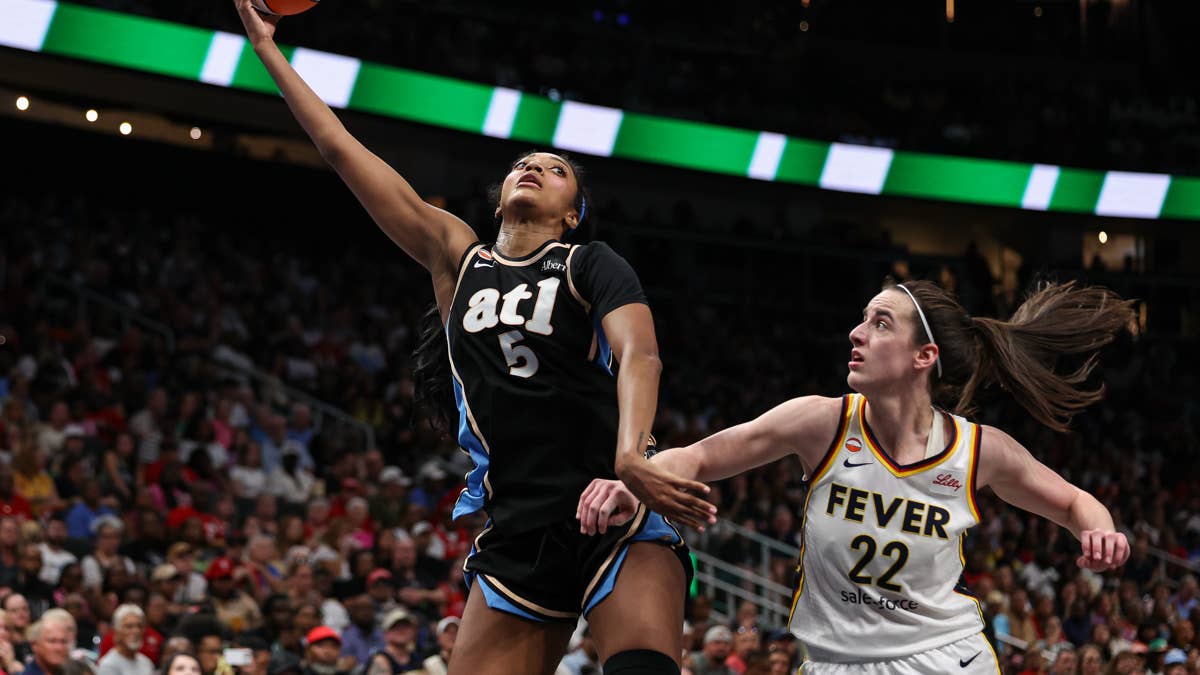
The third-year forward, drafted in the first round of the 2024 WNBA Draft out of LSU, has been a force on the glass all season. But her shooting numbers have taken a nosedive, especially in recent games. After Sunday's overtime battle with Caitlin Clark and the Indiana Fever, Reese finds herself mired in a slump that has her shooting below 30% from the floor over her last four outings.

Here's the ugly stat line from that stretch: 29.1% from the field, 14.3% from three-point range, and 70.8% from the free-throw line. While she's still averaging a double-double with 12.5 points and 14.8 rebounds per game, the inefficiency is a glaring red flag.
Reese's game has always been about hustle and tenacity. She crashes the boards like a player possessed, and her motor never stops. But the reality is that most of her shot attempts come right at the rim. When you're missing as many layups as she has been, even a rebounding machine like Reese can't fully offset the damage. Her inability to convert easy looks has become a liability that opponents are starting to exploit.
So, what does this mean for her future? Reese is still young, and there's plenty of time for development. But these shooting struggles aren't new—they've followed her from college to the pros. It's possible this is just who she is as a player: a high-energy, high-rebounding forward whose offense will always be a work in progress. That's not necessarily a bad thing, but it does put a ceiling on how high she can climb in the WNBA hierarchy.
Fans have taken notice, with some even drawing comparisons to the recent reaction to her missed layup that went viral. The spotlight on her shooting has intensified, and every brick seems to fuel the narrative.
There's also been chatter about her off-court activities, including a controversial bet with a fellow star that drew criticism. But the real issue remains her on-court production. If Reese can't start converting at a higher rate, she risks being labeled as a one-dimensional player—great on the boards, but a liability on offense.
The good news? Reese has shown she can impact games in multiple ways. Her defense, passing, and sheer presence on the court are valuable assets. But to take that next step toward stardom, she'll need to dramatically improve her shooting efficiency. Even hitting 50% on her layup attempts would be a massive boost.
As the season rolls on, all eyes will be on Reese to see if she can turn things around. The talent is there, but the results have been concerning. If she can't find her touch, she may remain a good player—but not the elite forward many hoped she'd become.