Angel Reese has a message for Caitlin Clark's most devoted fans: it's not all about your girl. The Atlanta Dream star, fresh off a gold-medal run with Team USA at the FIBA Women's World Cup, is making it clear that she deserves her fair share of credit for the explosive growth of women's basketball.
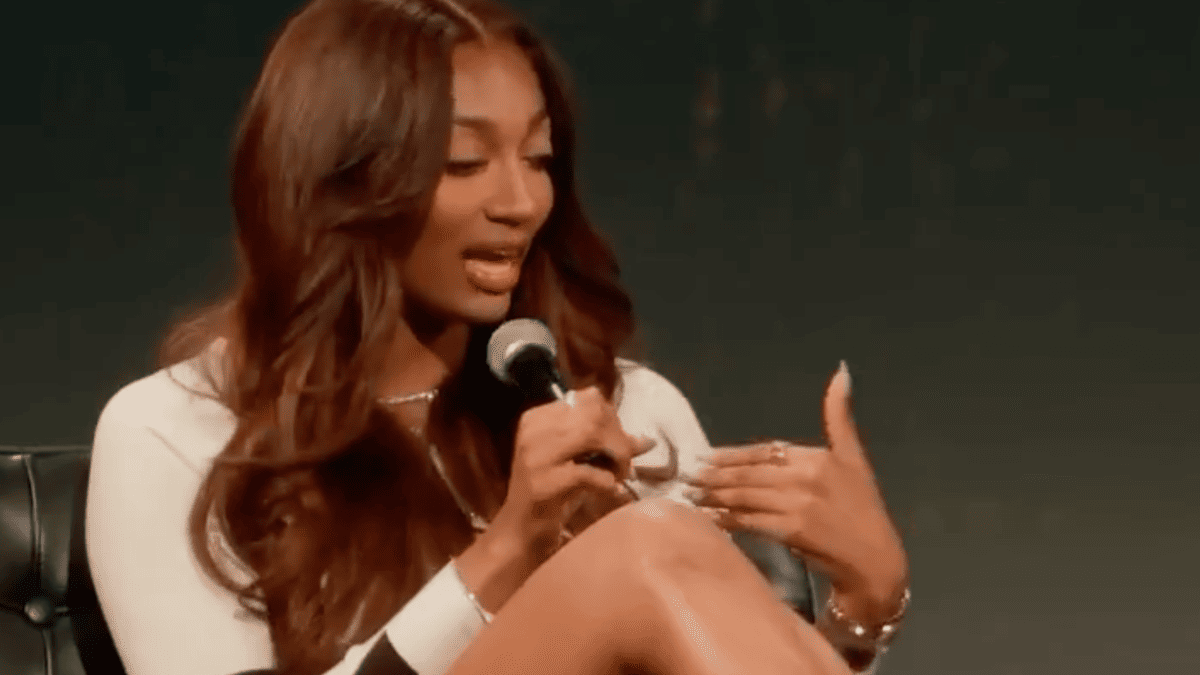
Reese, who teamed up with Clark to help the Americans dismantle France in the final last weekend, didn't mince words when asked about the narrative that Clark alone has been the driving force behind the sport's surge in popularity. In an interview with Complex, Reese pushed back hard, insisting that her own impact—from her college stardom at LSU to her WNBA presence—has been just as vital.

“I’ll be the person that gets the hate, but at the end of the day I’m growing women’s basketball and helping women’s basketball,” she said. It's a pointed shot at the segment of Clark's fanbase that has often dismissed Reese's contributions, framing the rivalry as one-sided in Clark's favor.
The rivalry between Reese and Clark dates back to their college days, when they squared off in the 2023 NCAA championship—a game that shattered viewership records and became a cultural flashpoint. Since then, both have carried that intensity into the pros, with Clark starring for the Indiana Fever and Reese making her mark with the Dream. Their on-court battles have been must-see TV, but their time as teammates in the World Cup showed they can coexist—and even thrive—together.
That doesn't mean Reese is willing to let the credit slide. She's built a brand on confidence and unapologetic self-belief, and she's not about to start shrinking now. “I’m responsible for growing the game of women’s basketball, too,” she said, making it clear that she expects to be recognized alongside Clark, not relegated to a footnote.
Love her or hate her, there's no denying Reese's impact. She was a box-office draw in college, setting records and breaking barriers with her play and personality. In the WNBA, she's become one of the league's most recognizable faces, helping to draw new eyes to a sport that's been booming. While Clark's influence is undeniable—her record-breaking scoring and massive fan following have been a catalyst for the league's growth—Reese's point is that she's been a part of that story too.
This isn't the first time Reese has had to defend her legacy. After the World Cup win, she took to social media to fire back at doubters who questioned her role on the team. And the tension with Clark's fanbase has been a recurring theme, even as the two players themselves have shown a mutual respect, as seen in their bench chat that silenced the haters during the tournament.
For Reese, this is about more than just individual pride. It's about rewriting the narrative that has often cast her as the villain in the Clark story. She's demanding that her contributions be acknowledged, not just by the media, but by the fans who have been quick to crown Clark as the sole savior of the sport.
As the WNBA continues to grow, with record attendance and TV ratings, the debate over who deserves the credit will likely rage on. But Reese is making one thing clear: she's not going to be erased from the conversation. Whether you're a fan of her brash style or not, she's earned her place in the sport's spotlight—and she's not about to step out of it.