Years after one of the most gut-wrenching losses in franchise history, a shocking new perspective has emerged about the San Francisco 49ers' fateful final drive in Super Bowl XLVII. According to a key player from that team, the decision-making wasn't just about strategy—it was about legacy.
The Ghost of Super Bowl XLVII
On February 3, 2013, the San Francisco 49ers stood on the precipice of glory, trailing the Baltimore Ravens 34-31 with under two minutes to play. Positioned inside the red zone, they needed just one score to seize the Lombardi Trophy in what was dubbed the "Harbaugh Bowl," pitting head coach Jim Harbaugh against his brother John. What happened next has been dissected for over a decade: three consecutive pass plays, all incomplete, sealing a devastating defeat.
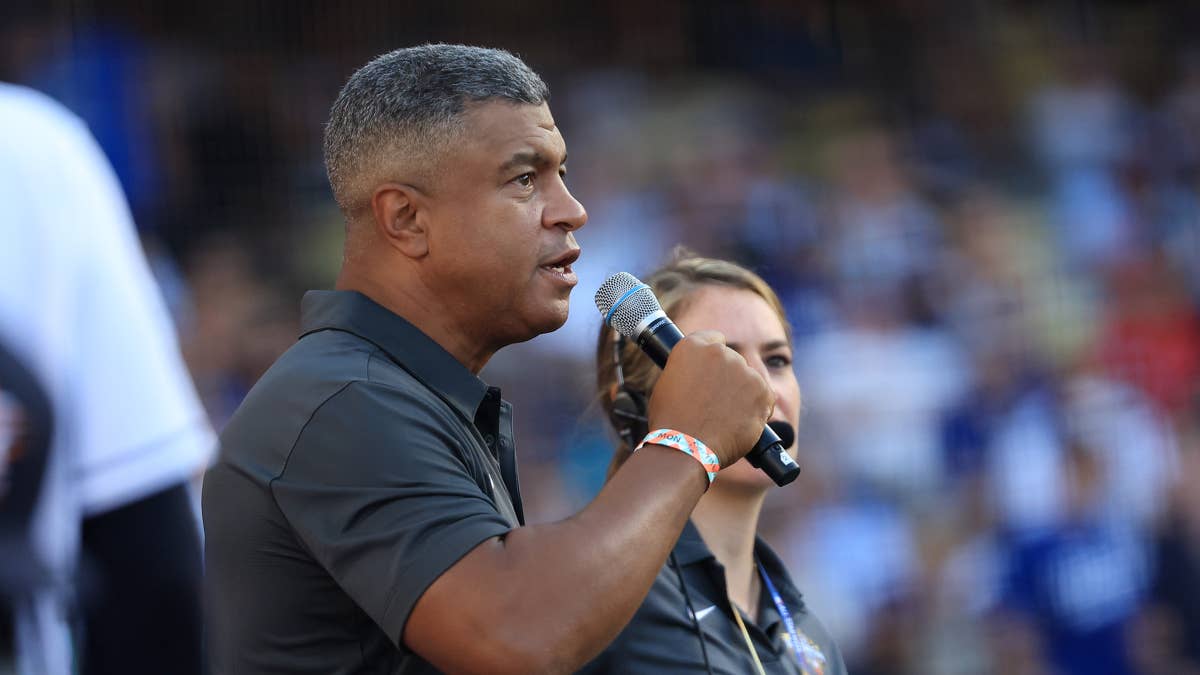
Now, former 49ers tight end Delanie Walker has pulled back the curtain on those critical moments, suggesting the play-calling was influenced by a desire far removed from simple football logic. In a recent appearance on the Bussin' With The Boys podcast, Walker claimed Harbaugh's primary focus was securing the Super Bowl MVP award for his dynamic quarterback, Colin Kaepernick.
A Costly Mindset
"How I saw it, he wanted Colin Kaepernick to get MVP of the Super Bowl," Walker stated bluntly. "That was the mindset that Harbaugh had when he thought about throwing the ball three times." This revelation adds a profound layer of regret to a sequence fans have long lamented. Walker emphasized the team's ground game, led by the relentless Frank Gore, was working effectively against the Ravens' defense. Choosing to abandon it, in his view, was a catastrophic error in judgment.
The aftermath in the locker room was one of stunned silence and accountability. Walker recounted Harbaugh entering and delivering a simple, heavy admission: "That's on me." The coach reportedly acknowledged in the moment that they should have handed the ball to Gore. This immediate regret has only deepened with time, as Harbaugh himself confirmed in a 2024 interview.
"I wish we had run the ball, would have taken a crack with Frank Gore [with] a couple carries down there," Harbaugh reflected, his words tinged with the pain of a missed opportunity that defines careers. "Woulda, coulda, shoulda. It’s the kind of stuff that haunts you, because you walk off the field and go 'There will be other days,' and you realize that might have been the only day."
The Kaepernick Context
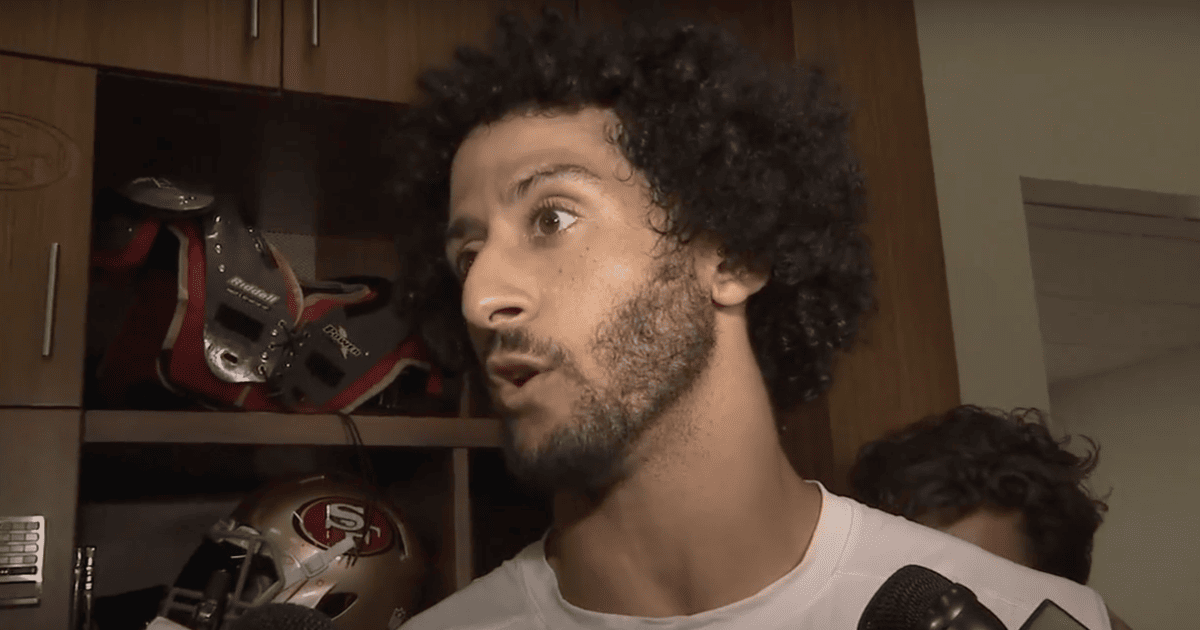
Colin Kaepernick was in the midst of a spectacular performance, having thrown for 302 yards and a touchdown with a 98.3 passer rating. His dual-threat ability had captivated the league that season, and he was the engine of the 49ers' offense. The desire to crown that breakout year with a Super Bowl MVP trophy is understandable, but Walker's account suggests it clouded the fundamental objective: winning the game by any means necessary.
This story adds a poignant footnote to Kaepernick's complex legacy with the 49ers. The quarterback who took the league by storm in 2012 and led the team to that Super Bowl appearance has been out of the NFL since 2016. The revelation that his coach might have prioritized individual accolades for him in the biggest moment casts the famous loss in a new, tragic light—a mistake born from belief in a star, but a mistake nonetheless.
For 49ers faithful, the "what if" surrounding Frank Gore carries on. For Jim Harbaugh, it remains a haunting chapter. And for the sports world, it serves as a stark reminder that in the Super Bowl's blinding spotlight, the purest path to victory is often the simplest one, no matter how tempting the narrative of a star-making moment may be.