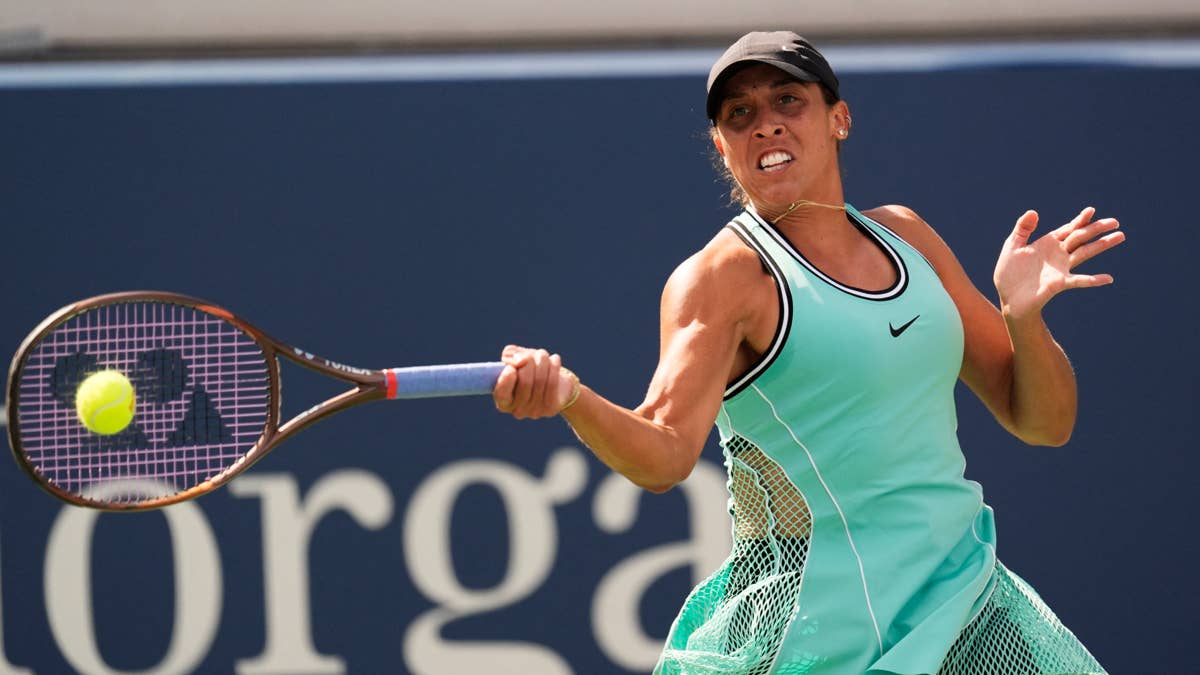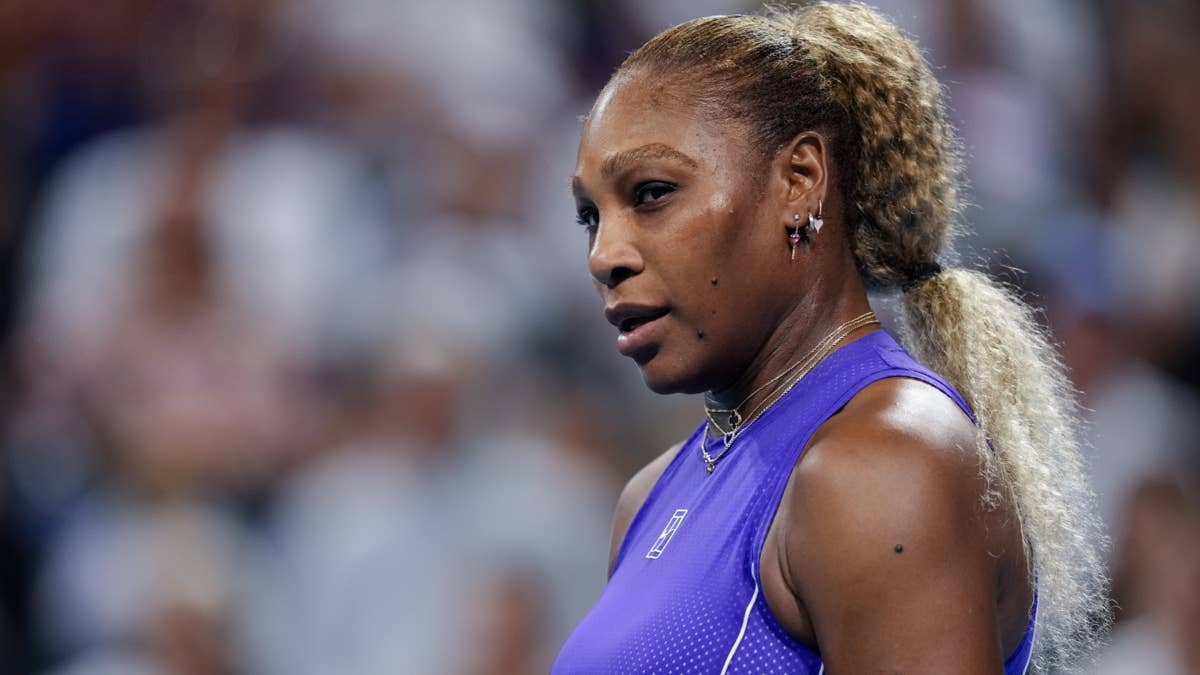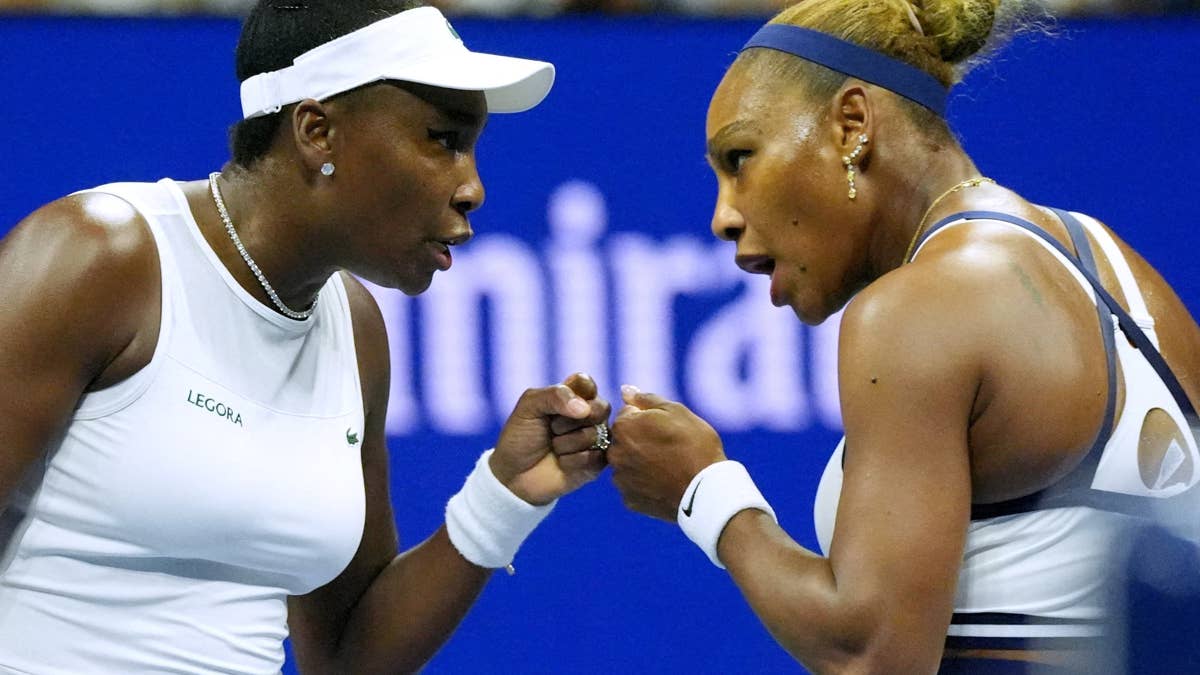
The tennis world collectively held its breath Friday night as Serena and Venus Williams stepped onto Arthur Ashe Stadium for what could be one of the final chapters of their legendary careers. The hype was real—the sisters, back together in doubles, were set to face Hao-Ching Chan and Maya Joint in a first-round showdown. But the fairytale didn't materialize.
After jumping out to a commanding 5-0 lead in the decisive 10-point tiebreak, the Williams sisters saw it slip away, falling 6-3, 6-7 (6), 7-6 (10-7). The crowd, overwhelmingly in their corner, watched in disbelief as the comeback fell short. It was a familiar script for Venus, who had already endured a tough singles exit earlier in the tournament.
But the real storm didn't break on the court—it erupted afterward. When the match ended, fans and reporters alike expected Serena and Venus to face the microphone and reflect on their return. Instead, they made themselves scarce, declining to participate in post-match press conferences. The decision didn't sit well with many observers, who were quick to call out what they saw as a pattern of poor sportsmanship.
Social media lit up with criticism. One user wrote, "Very disappointing but hardly surprising to learn that the Williams sisters refused to speak to the media after losing in the dubs last night. Magnificent players and absolute legends but their attitude at certain times has left a lot to be desired." Another chimed in, "They have such an easy time taking from tennis, the sport that has given them everything….and yet almost always they refuse to participate in what tennis wants."
The backlash wasn't just about one night. Critics pointed to the sisters' history of skipping media obligations, especially after losses. This isn't the first time Serena has gone silent—she did the same after a Wimbledon loss to Joint earlier this summer, issuing only a written statement afterward. "It was really great to be back at Wimbledon," she said then. "I never expected to be here. The atmosphere was amazing."
Some fans went further, questioning why the sisters continue to receive wildcard entries into major tournaments. "They are so tedious. Hope they stop getting the wildcards," one comment read. Another declared, "Serena is not a good person. She was (key word – WAS) a tremendous athlete. But never a good sport or gracious person." The sentiment that the Williams sisters are taking opportunities away from younger players while giving little back has been a recurring theme.
The controversy also reignited debates about favoritism in tournament scheduling. Critics argue that the sisters' star power often leads to prime-time slots and wildcard perks, which some see as unfair to lesser-known players who have to earn their spots. The US Open's decision to grant them a doubles wildcard was already a topic of discussion before the match.
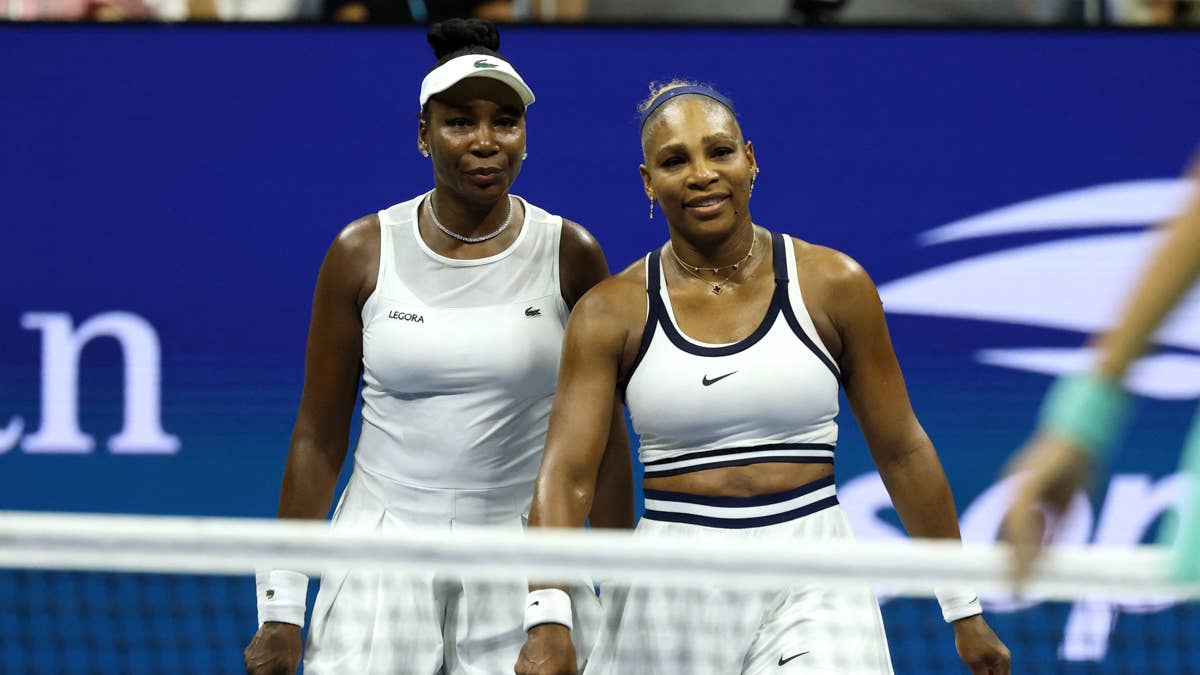
Amid the negativity, there were also moments of appreciation. The Tennis Letter captured the sisters waving goodbye to the crowd with smiles, writing, "The sisters who changed the sport as we know it…What a gift that we got to watch them side by side again in 2026." For many, the emotional weight of seeing them together outweighed the result.
But the question remains: will the Williams sisters address the media before the US Open concludes? Their silence has left a sour taste for some, even as others celebrate their legacy. As the tournament rolls on, the focus will inevitably shift back to the action on court, but the shadow of this controversy lingers.