The Los Angeles Dodgers' annual Pride Night celebration on Friday was supposed to be all about inclusivity and honoring trailblazers. And while the team delivered a thrilling walk-off win over the crosstown Angels, the night's biggest talking point wasn't Freddie Freeman's heroics—it was the two players who quietly refused to take part in one small but symbolic gesture.
Relief pitcher Blake Treinen and outfielder Alex Call were the only members of the Dodgers not to wear the team's special Pride Night hats, which feature the classic "LA" logo in rainbow colors. Instead, both players stuck with the standard blue-and-white caps, a decision that immediately caught the eye of fans and media alike.
The moment quickly went viral, with some praising the players for standing by their beliefs and others criticizing them for not supporting the LGBTQ+ community. Among the loudest voices was conservative commentator Jon Root, who tweeted, "While other professed Christians, Dodgers SS Mookie Betts & manager Dave Roberts wore LGBTQ Pride hats, only Blake Treinen refused. Don’t bow down to the idols of our age, Christians. Stand firm like Treinen."
The Dodgers, for their part, made the night about more than just headwear. Before the first pitch, the team unveiled a permanent display at Dodger Stadium honoring former players Glenn Burke and Billy Bean—the first professional baseball players to openly come out as gay after their playing careers ended. The display features photos and a rainbow motif, serving as an ongoing tribute to their courage.
This isn't the first time a Pride Night has sparked controversy in professional sports. Several NFL teams also skipped Pride Month posts this year, drawing similar backlash. But the Dodgers' situation is unique because the team itself fully embraced the celebration, making the players' individual choices stand out even more.
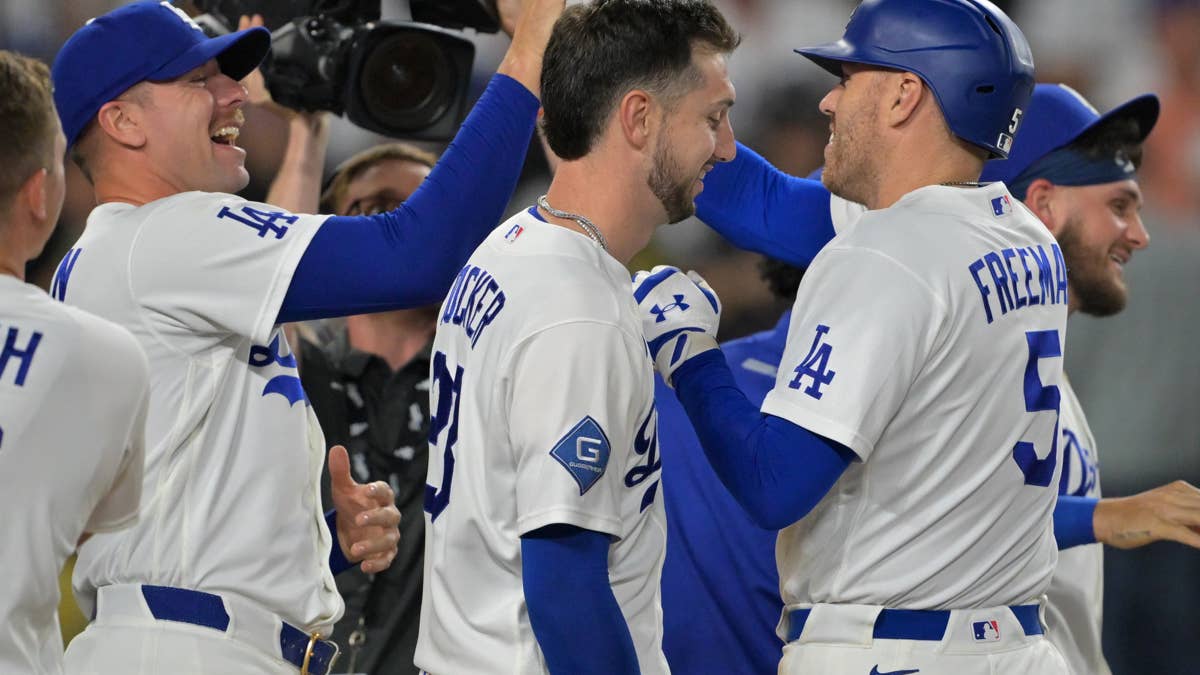
On the field, the game was a classic. Down to their final out, the Dodgers rallied against Angels closer Kirby Yates. Freeman, who had missed a fastball earlier in the at-bat, adjusted his approach. "I missed a 3-1 fastball and against Kirby, you gotta look up because of his splitter," Freeman said. "So I was looking up, trying not to swing at the splitter and luckily, I was able to get the fastball." His walk-off homer sent Dodger Stadium into a frenzy, but it couldn't fully overshadow the off-field drama.
The Dodgers now sit at 42-23, looking to defend their World Series title. But as they push toward October, the conversation around Friday night may linger. It's a reminder that even in a sport built on team unity, individual convictions can sometimes create friction—and that Pride Nights, while meant to celebrate inclusion, can also expose the divisions that still exist in the game.