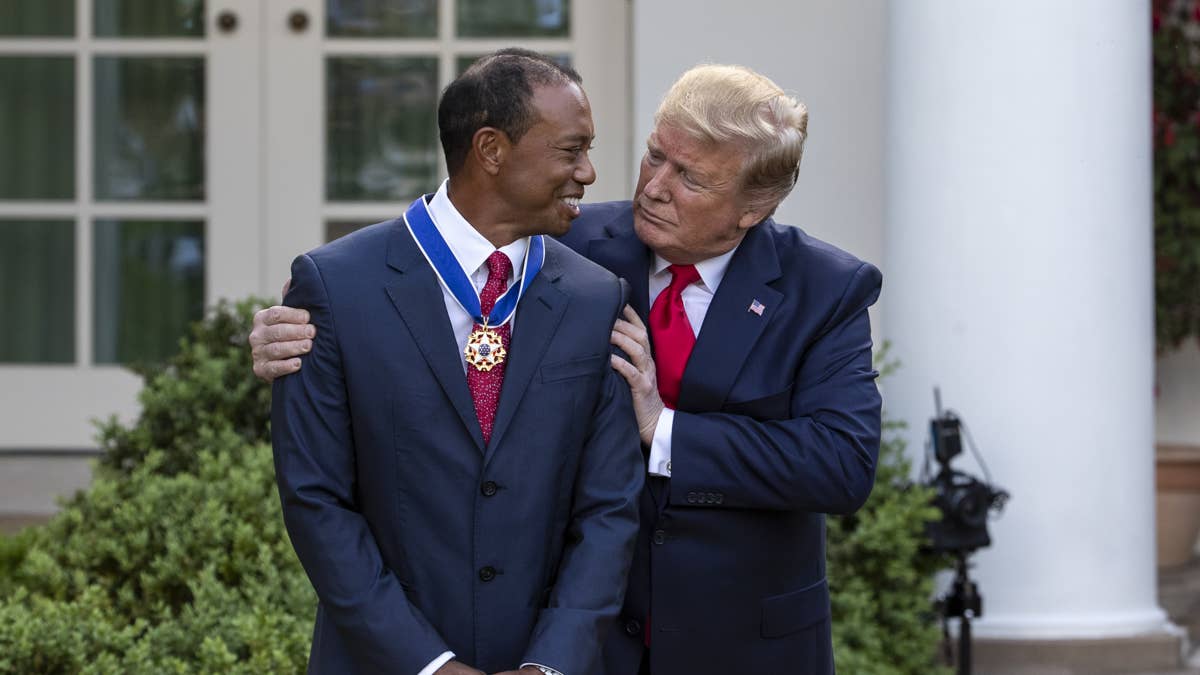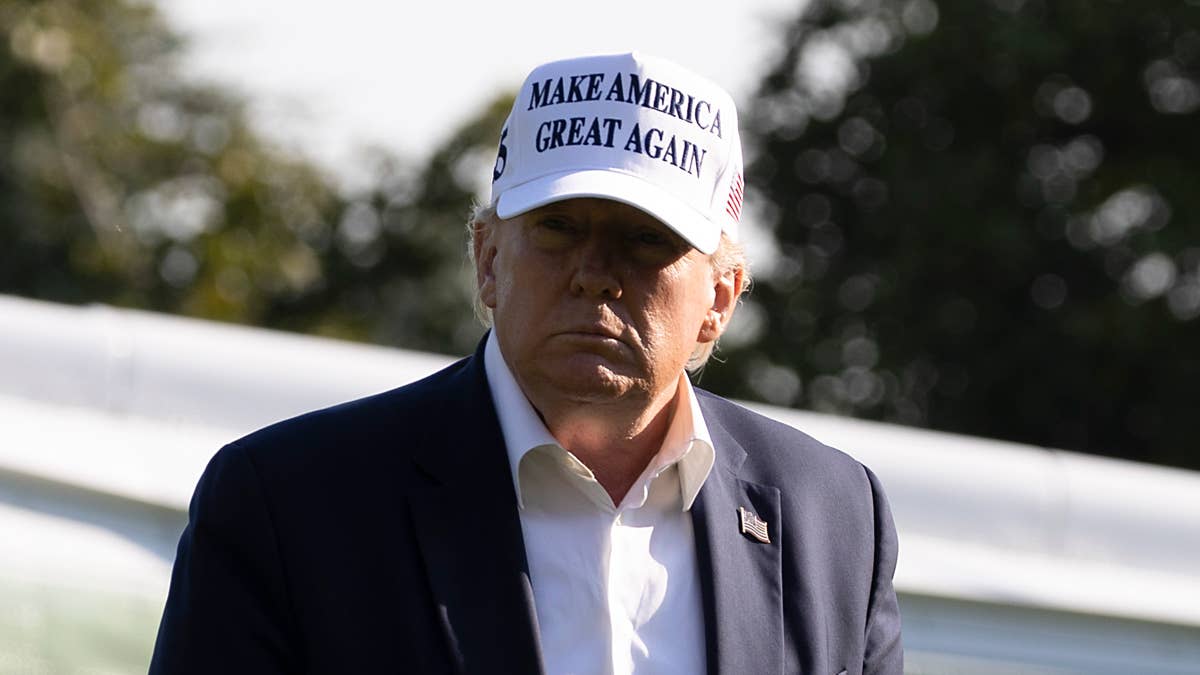
A political showdown is unfolding on the fairways of the nation's capital, where the future of three beloved public golf courses hangs in the balance. The Trump administration is locked in a legal fight to seize control of Langston, East Potomac Park, and Rock Creek Park golf courses from the nonprofit National Links Trust, with plans to transform them into championship-level venues.
Affordable Access Under Threat
For decades, these courses have served as vital recreational hubs for Washingtonians, offering rounds for less than $40—a rarity in any major city. The potential takeover has sparked deep concern among the local golfing community, who fear that redevelopment would inevitably lead to skyrocketing fees, putting the game out of reach for many.

"Do these golf courses then become part of this kind of political football?" one concerned D.C. golfer wondered aloud in an interview. The sentiment echoes widely, with another player expressing a nostalgic dread: "It would definitely tug on my sleeve a little bit and mark the end of a time that, you know, I wish would never end."
Legal Limbo Leaves Future Uncertain
The conflict escalated when the Interior Department terminated the National Links Trust's lease last December. Now, the courses exist in a state of purgatory as court proceedings drag on and the administration deliberates its next move. For now, Langston and East Potomac Park remain open, but their long-term fate is shrouded in doubt.
Mike McCartin, cofounder of the National Links Trust, voiced his worries about the proposed changes. Standing at the nearly century-old East Potomac Park course, with golfers practicing their swings against the backdrop of D.C.'s iconic cherry blossoms, he emphasized the cultural and communal value these spaces hold beyond mere sport.
This situation highlights a growing tension in sports between elite commercialization and public accessibility. Similar debates are playing out across the country, as seen when an ESPN veteran sounded the alarm on crises threatening the integrity of sports media, underscoring how external pressures can reshape the athletic landscape.
Broader Implications for the Game
The dispute transcends local greens; it touches on who gets to play and where. Public courses are often the entry point for new golfers, junior players, and those without country club budgets. Converting them into high-end destinations could alter the demographic fabric of the sport in the capital region.
It's also a reminder of how deeply golf and politics can intertwine. The sport frequently finds itself in the political spotlight, whether it's a golf influencer being identified after a viral comment from the former president, or public figures like Kai Trump cheering on Rory McIlroy's Masters defense.
As the legal volleys continue, Washington's golfers are left waiting for a resolution. The outcome will determine whether these historic courses remain accessible community assets or are reshaped into exclusive venues, setting a precedent that could ripple far beyond the District's boundaries. For now, players are savoring every affordable round, uncertain of how many more they'll get.