The legend of Tiger Woods is written in major championships and miraculous comebacks, but a darker chapter continues to shadow his legacy. While the golf world focuses on his latest on-course struggles, a stark reminder of his off-course battles has resurfaced: the shocking toxicology report from his 2017 DUI arrest that revealed a dangerous cocktail of five different substances in his system.
A Troubling Pattern Emerges
Woods' recent arrest near his Florida home marks another alarming incident in a series of substance-related troubles. The golf icon was taken into custody after his vehicle was involved in a rollover crash, with authorities noting clear signs of impairment at the scene. While a breathalyzer test came back negative, his refusal of further testing and the subsequent charges have ignited fresh concern about a persistent problem.

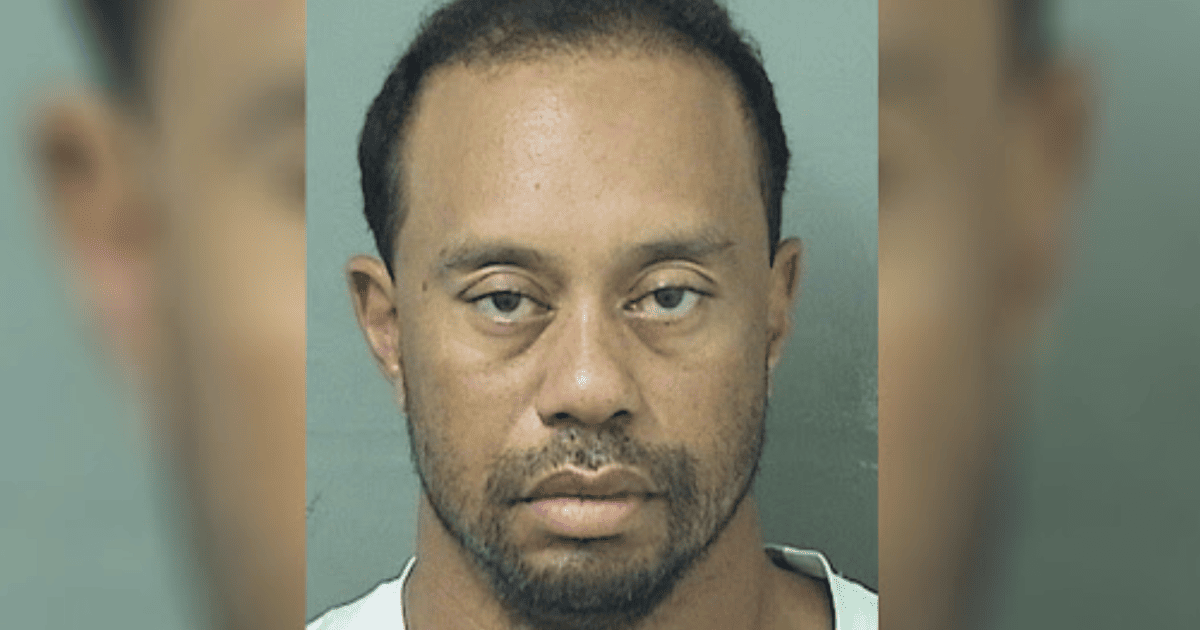
This latest episode forces a painful look back. The 2017 arrest, where police found Woods asleep at the wheel, proved to be a watershed moment. Official reports confirmed the presence of a potent and concerning mix in his bloodstream: the painkillers Vicodin and Dilaudid, the anti-anxiety medication Xanax, the sleep aid Ambien, and THC. This five-drug combination painted a grim picture of dependency and raised immediate red flags about his health and safety.
The Call for Confrontation
In the wake of the new arrest, voices from across the sports media landscape are urging a direct confrontation with reality. Prominent outlets are advocating for those in Woods' inner circle to treat every interaction with the understanding that they are dealing with an addict. This hardline stance emphasizes that such an approach isn't about judgment, but about safety—for Woods himself, for his family, and for everyone who shares the road with him.
This perspective frames the 2017 incident not as an isolated mistake, but as part of a troubling continuum. Critics point to past events, including a 2009 incident where he appeared incoherent and a 2021 car crash where an empty pill bottle was found in his vehicle, as evidence of a long-standing issue. The argument suggests this recent arrest might represent a fourth substantive substance-related incident, not merely a second DUI charge.
History of Treatment and Ongoing Concern
Following the 2017 revelation, Woods did seek help, checking into an in-patient rehabilitation facility specifically for prescription medication addiction. That step was hailed as a courageous move toward recovery. However, the current situation suggests that battle is far from over. The cycle of incident, treatment, and relapse is a brutal hallmark of addiction, and Woods appears tragically caught in its grip.
The conversation has expanded beyond the fairways, with figures across sports offering raw takes on the situation. For instance, one golf media personality faced intense backlash for what was widely perceived as a tone-deaf defense of Woods' actions. Meanwhile, fellow golfer Anthony Kim offered public, unfiltered support, highlighting the complex mix of criticism and compassion surrounding the fallen star.
A Legacy at a Crossroads
The narrative surrounding Tiger Woods is at a critical juncture. The same relentless drive that forged a champion seems to be fueling a destructive pattern. The 2017 drug cocktail is a stark data point in a story that is becoming less about golf and more about survival. As legal experts warn of potential prosecutorial consequences and the court of public opinion weighs in, the focus must return to the man behind the myth.
The hope for another miraculous comeback on the course now feels secondary to the desperate need for a lasting victory in his personal life. The five drugs listed in that 2017 report are more than just substances; they are symbols of a struggle that continues to define Tiger Woods' present and threatens to overshadow his immortal past.