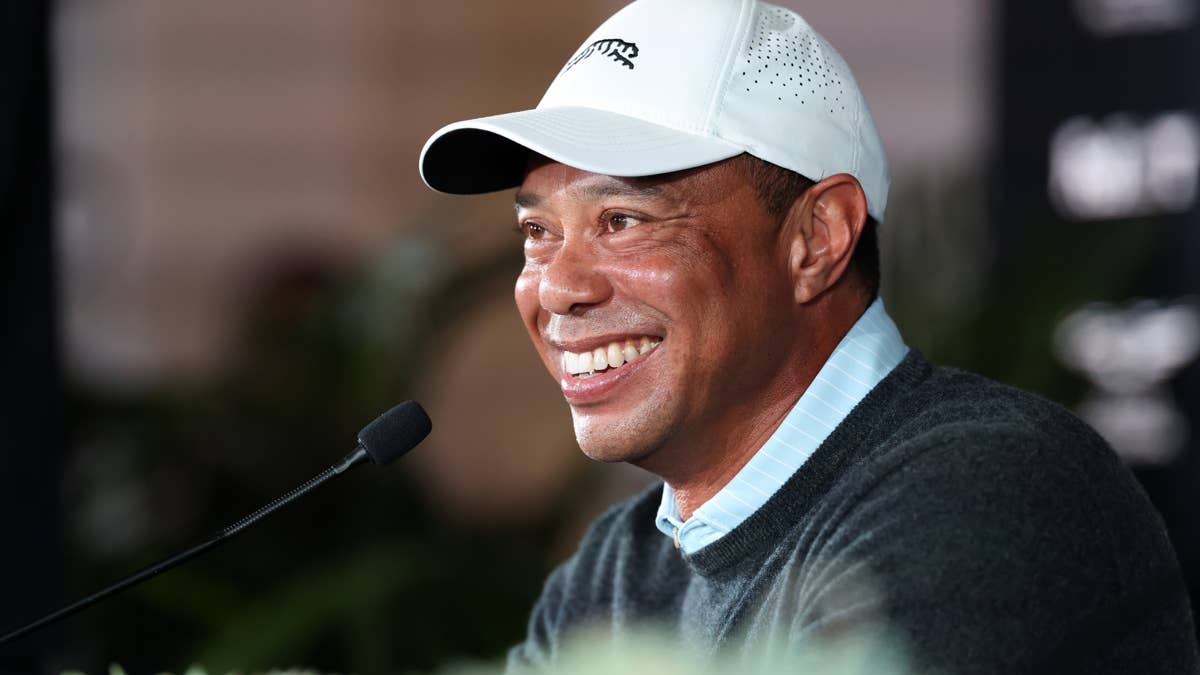
The PGA Tour is getting a major facelift, and Tiger Woods is right at the center of it. On Tuesday, the Tour unveiled a revamped competitive structure set to debut in 2028, thanks in large part to the efforts of Woods and the Future Competition Committee he chairs. The new model splits the season into two concurrent series—the Championship Series and the Challenger Series—bringing fresh stakes and drama to every swing.
Woods, a 15-time major champion, celebrated the announcement by responding to a post from PGA Tour CEO Brian Rolapp. “Honored to stand alongside @brianrolapp today at the @TravelersChamp as we announce the @PGATOUR’s new model for 2028 and beyond,” Woods wrote on social media. “This is an exciting moment for the game of golf. It has been a privilege to lead the Future Competition Committee and I am proud of the work we have done to build the best version of the PGA Tour for future generations of players and fans.”
The Championship Series will feature over 20 events, including the majors and the Ryder Cup, with purses starting at $20 million. Meanwhile, the Challenger Series serves as a primary path to the top tier, complete with its own points system and opportunities for promotion and relegation. A player can earn an automatic promotion by winning two events or a major, and four to six “last chance” events near season’s end will offer final shots at moving up.
Rolapp called the overhaul “a pivotal moment for the PGA Tour” in a letter to fans. “Throughout this process, we have listened closely to players, partners and our fans,” he wrote. “You told us you wanted to see the best players in the world competing against one another more often. You wanted clearer stakes as the season unfolds. And you wanted a more dramatic finish to the season that rewards excellence and makes every tournament matter.”
The new model culminates in a true postseason, crowning the world’s best golfer. Woods, who also serves on the committee alongside Patrick Cantlay, Maverick McNealy, Keith Mitchell, Adam Scott, Camilo Villegas, Joe Gorder, John Henry, and Theo Epstein, emphasized the collaborative effort. “This work was bigger than any one player or person—it was about designing the strongest possible version of the PGA Tour for the future generations of fans and players,” Woods said in a statement. “From the beginning, the committee’s focus was on delivering a better experience for our fans, while creating a model that best sets up the tour, its players and its partners for long-term success and stability.”
This isn’t the first time Woods has shaped golf’s future. His recent decisions about his own playing schedule have kept fans guessing, but his role in this structural shift shows his commitment to the sport beyond the fairway. The changes come as the Tour navigates a landscape where major droughts and emerging rivalries keep the game in the spotlight.
With the 2028 season still a couple of years away, the Tour has time to fine-tune the details. But one thing is clear: under Woods’ guidance, the PGA Tour is betting big on a format that promises higher stakes, more head-to-head drama, and a season that builds to an unforgettable finish.