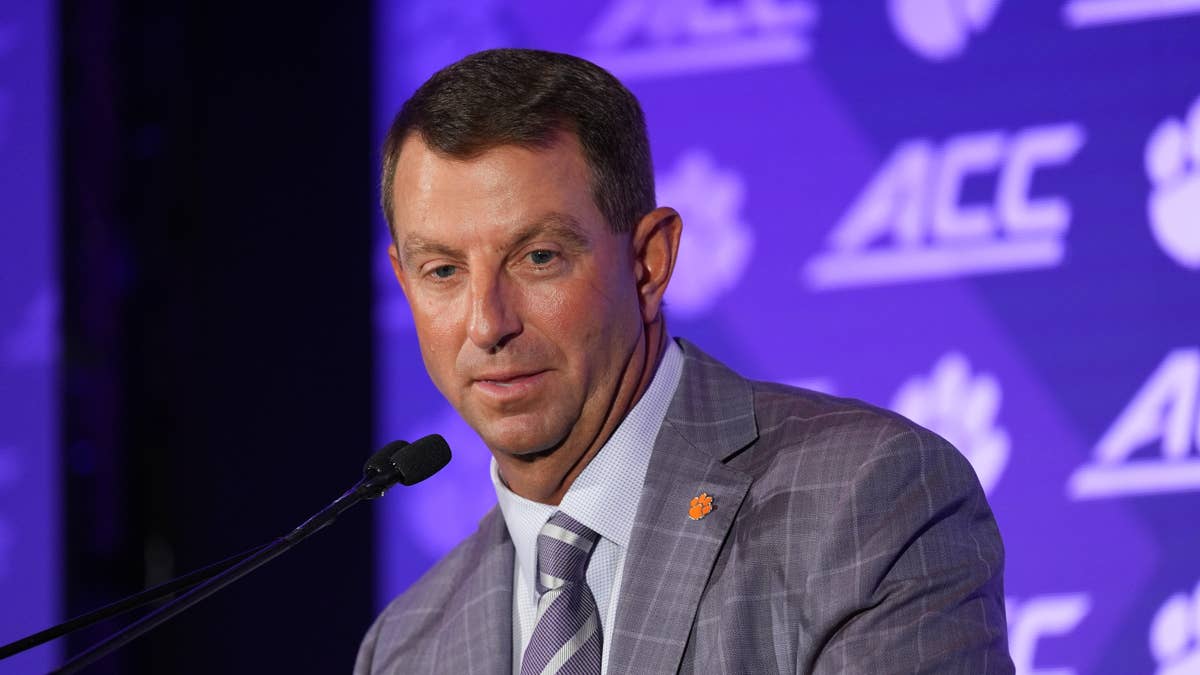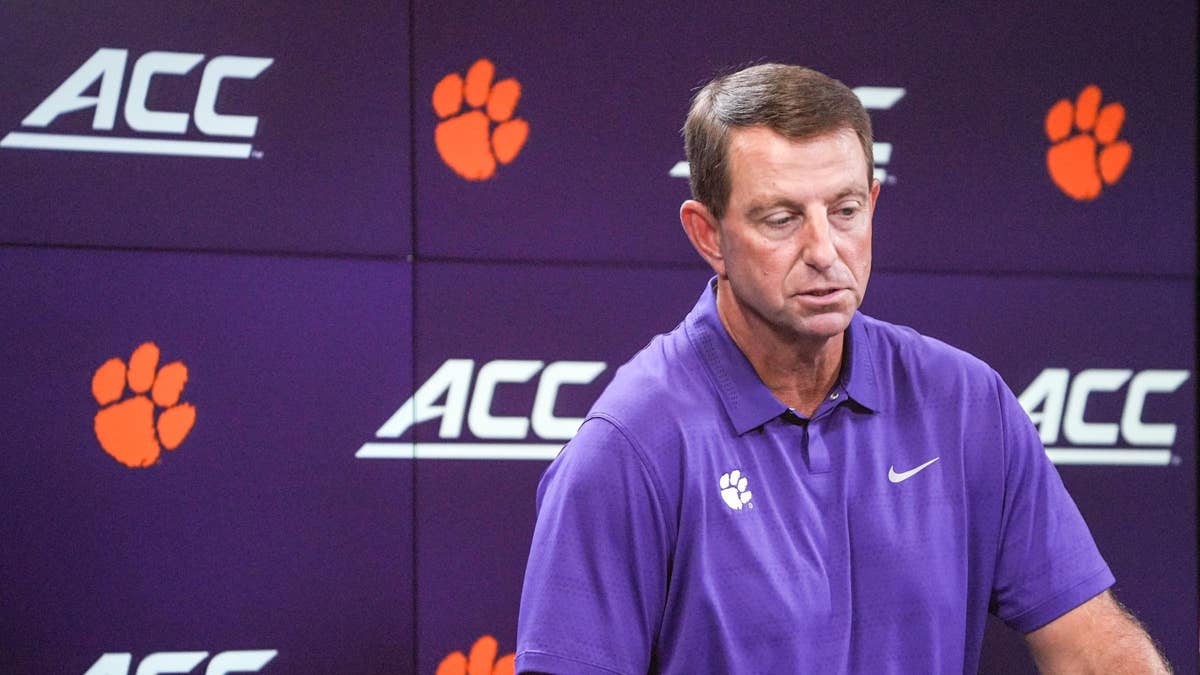
There was a time when Clemson football was the very definition of dominance. From 2015 to 2019, Dabo Swinney's Tigers were the gold standard, hoisting two national championship trophies and playing for a third. But those days feel like ancient history now. Since that peak, Clemson has made the College Football Playoff just once, and in 2025, the team barely clawed its way above .500.
The 2026 season opener against LSU was supposed to be a statement—a chance to prove the Tigers were back. Instead, it turned into a nightmare. A blowout loss to the Bayou Bengals in Baton Rouge underscored just how far this program has fallen. The final score wasn't just a defeat; it was a reality check that Clemson is miles away from national title contention.
That reality has put the athletic department in an unenviable position, one that sports analyst Sam Neumann of Awful Announcing recently broke down. “I don’t really think Clemson can afford to bring [Dabo Swinney] back, and I don’t know if they can afford to fire him,” Neumann said. “They’re in a tough spot.”
That tough spot is largely financial. According to CBS Sports, if Clemson fires Swinney in 2026, the university would owe him a staggering $57 million. And here's the kicker: if they wait until 2027, that number jumps to $60 million—meaning it's actually cheaper to pull the trigger sooner. But either way, Clemson is on the hook for the full amount, because Swinney's contract includes no mitigation clause. Even if he immediately lands another job—something he's made clear he'd pursue—Clemson wouldn't see a single dollar of that buyout reduced.
So what's a program to do? On one hand, keeping Swinney means accepting mediocrity, at least for now. On the other, paying $57 million to fire him would be a massive financial hit, one that could cripple the athletic department's budget for years. It's a classic no-win scenario, and it's why potential replacements are already being discussed, even if the money doesn't make sense yet.
The situation has been made even more tense by Swinney's recent public outbursts. He's been vocal about his frustration with the state of college football, calling it "lawless" and criticizing the transfer portal era. That fiery rhetoric has only added fuel to the narrative that Swinney is struggling to adapt to the new landscape.
But here's the thing: Swinney isn't just a coach; he's a legend in Clemson. He's won two national titles, and he's given the program its greatest era. Firing him would be a monumental decision, one that would send shockwaves through the college football world. And yet, the results on the field are hard to ignore. The Tigers are no longer the feared juggernaut they once were, and the gap between them and the elite is widening.
If Clemson's brass is willing to swallow the $57 million pill, then moving on at the end of this season becomes a realistic option. But that's a big "if." The athletic department may instead choose to cling to hope, betting that Swinney can rediscover his magic. After all, he's done it before.
For now, the Tigers are stuck in limbo, caught between loyalty and practicality, between past glory and future potential. It's a predicament that has no easy answers, and every passing week only makes the decision harder.