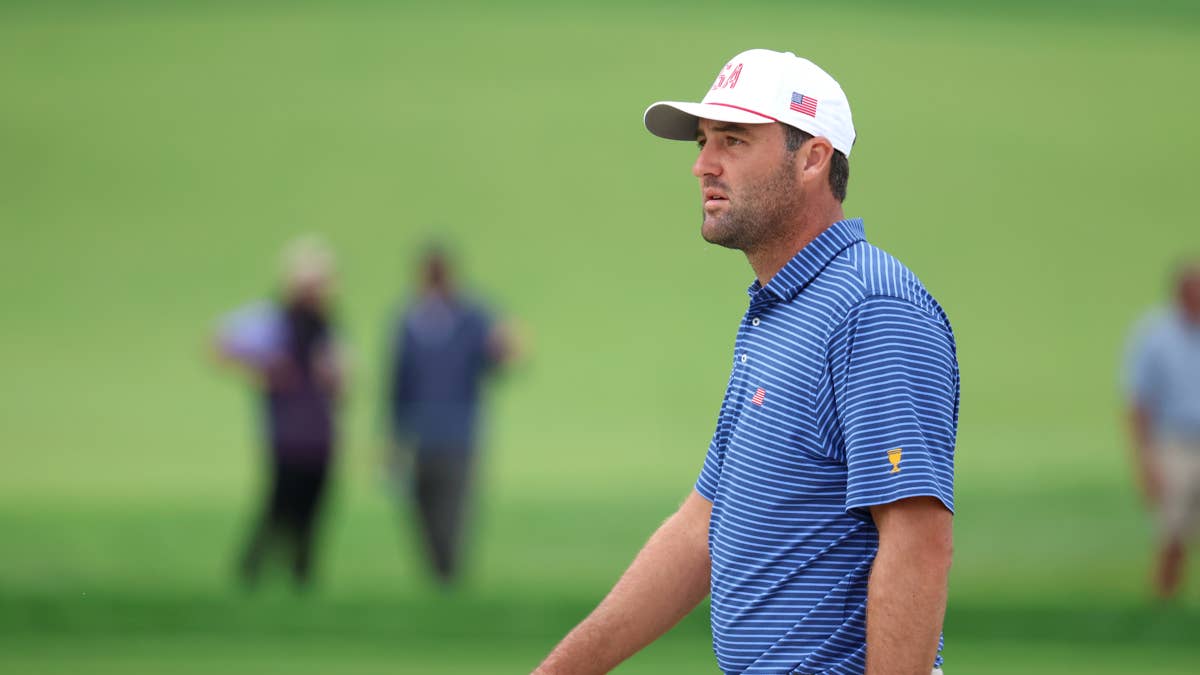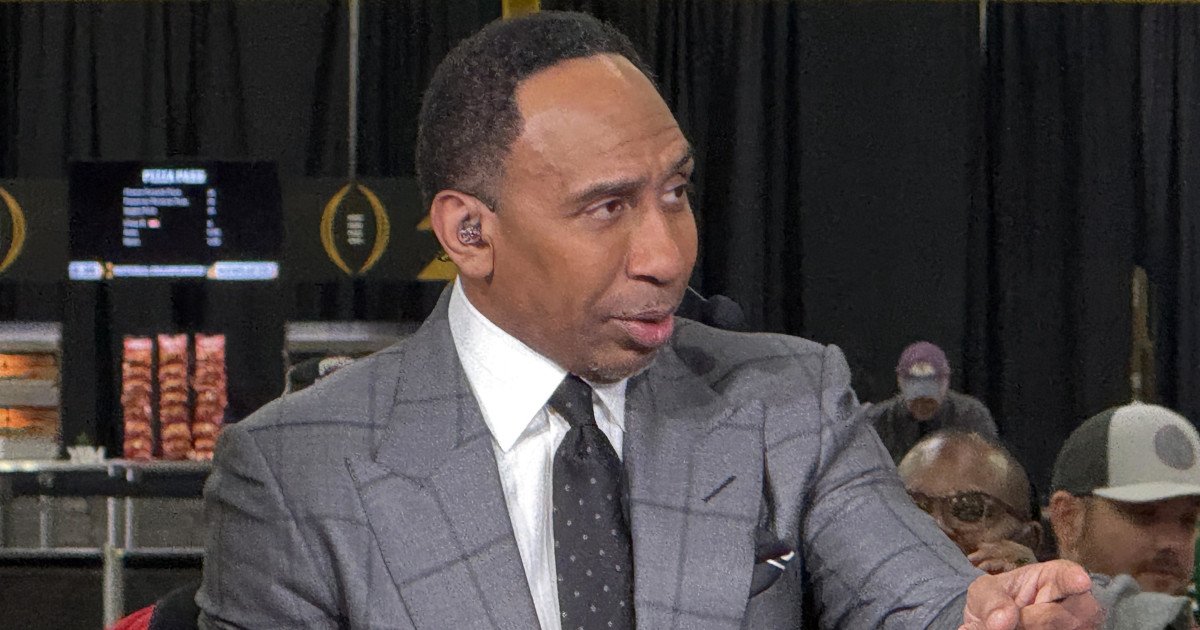
The world of sports commentary erupted Wednesday as ESPN's Stephen A. Smith turned his formidable focus toward golf legend Tiger Woods, unleashing a passionate and uncompromising rant in response to Woods' latest off-course turmoil. The catalyst was Woods' announcement that he would step away from competitive golf following a DUI arrest, a decision that will see him miss the Masters. Smith, never one to mince words, made it brutally clear that apologies were insufficient.
A Demand for Accountability, Not Apologies
On ESPN's First Take, Smith dissected Woods' recent statements with characteristic intensity. He argued that the public discourse had moved past wanting to hear explanations or expressions of regret. For Smith, only one thing mattered: a binding, public commitment from Woods that he would never again endanger others by getting behind the wheel while impaired. "Bump your statements! We don't care," Smith declared emphatically. "What we care to hear from you is that we don't have to worry about you being behind the wheel of a vehicle inebriated…you're lucky you didn't kill somebody."

The Incident That Sparked the Firestorm
The controversy stems from a serious single-vehicle crash on March 27, 2026, near Woods' Florida home. Authorities reported that Woods' Land Rover clipped a truck while passing, causing it to roll onto its side. While the 50-year-old golf icon walked away physically unharmed, responding deputies noted he appeared lethargic and displayed signs of impairment. A breathalyzer test showed no alcohol, but the subsequent discovery of hydrocodone pills in his pocket, coupled with his refusal to submit to a urine test, led to his arrest on suspicion of DUI.
In the aftermath, Woods entered a not-guilty plea and announced he would take an indefinite leave from golf to focus on his health and seek treatment. This means the golf world will be without one of its most iconic figures at Augusta National, a significant blow to the tournament's stature. The news of his decision to step away has been met with a complex mix of concern from fans and sharp criticism from commentators like Smith.
Smith's Broader Critique of Celebrity Treatment
Smith's tirade went beyond the immediate incident, touching on what he perceives as a pattern of special treatment for elite athletes. His forceful commentary suggests a belief that Woods' stature has, in the past, shielded him from the full weight of public and legal accountability. This isn't the first time Smith has taken a hardline stance on a high-profile figure's actions, as seen when he discussed his political perspectives. His message to Woods was stripped of any sentimentality, focusing solely on the potential consequences of impaired driving and the responsibility that comes with fame.
The reaction to Woods' situation has been far from monolithic. While Smith represents one vocal, critical perspective, others in the sports media landscape have expressed more sympathetic views. Colleagues like Scott Van Pelt have offered a more emotional plea for Woods' well-being, highlighting the personal struggles behind the headlines. This divide underscores the complex legacy Woods navigates—simultaneously a revered champion and a frequently scrutinized public figure.
The Road Ahead for Tiger
Legally, Woods' case continues to unfold after his not-guilty plea. In the world of golf, his absence creates a palpable void. The Masters, already navigating the evolving landscape of professional golf, must now proceed without its biggest draw. There has been public support from Augusta National itself, but whispers from within the sport suggest some believe stepping back is the right move, with insiders suggesting skipping Augusta amidst the turmoil is prudent.
Ultimately, Stephen A. Smith's outburst cuts to the heart of a modern sports dilemma: where does concern for a person's health end and demand for public accountability begin? For Smith, the equation is simple. Tiger Woods' statements about stepping away for treatment are secondary. The primary obligation, screamed from the ESPN studio, is a vow that the dangerous behavior that led to a flipped SUV on a Florida road will never be repeated. It’s a raw, unfiltered demand for a promise, proving that for some, the grace period for legends has definitively expired.