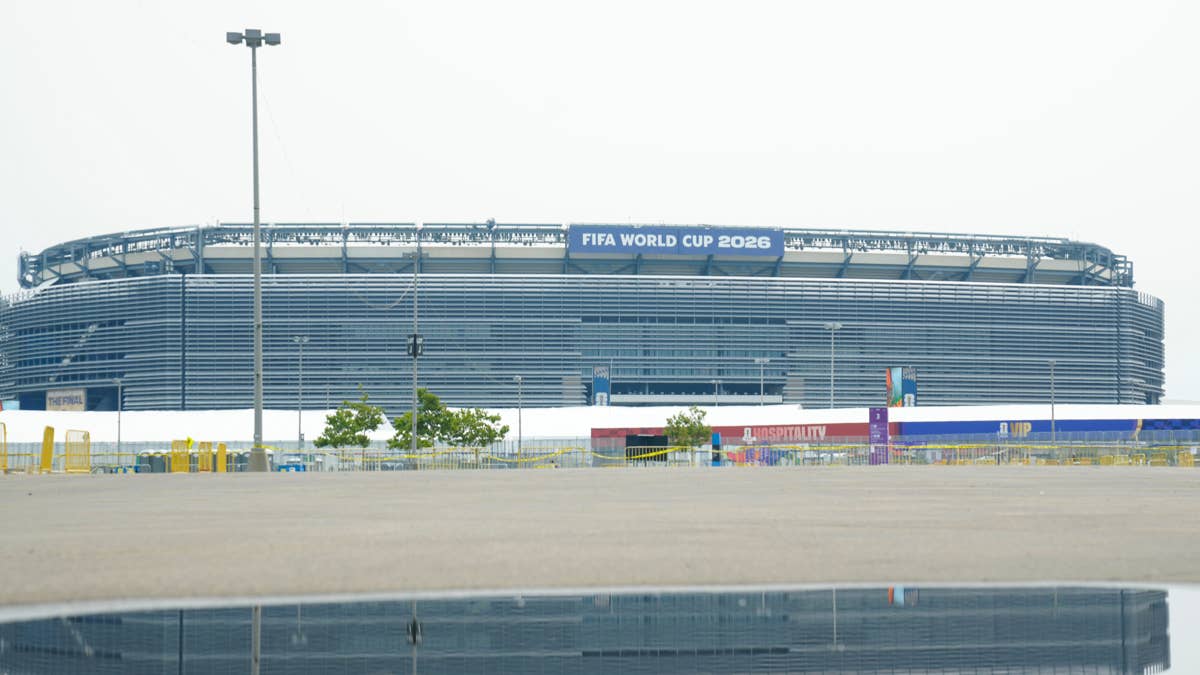
The 2026 FIFA Men's World Cup final is just days away, and while the matchup between Argentina and Spain promises fireworks, the weather is shaping up to be a major wildcard. With MetLife Stadium (officially New York New Jersey Stadium for the tournament) fully open to the elements, players and fans alike are bracing for potentially hazardous conditions.
On Thursday, much of New York and New Jersey were blanketed in hazy skies and poor air quality, courtesy of ongoing Canadian wildfires. A Code Red air quality alert remains in effect for large swaths of New Jersey, urging residents to avoid strenuous outdoor activity. For elite athletes set to run for 90-plus minutes on Sunday, that warning hits close to home.

“A code red air quality alert means that air pollution concentrations within the region are unhealthful for the general population,” the alert states. The directive to minimize outdoor exertion is a stark contrast to the demands of a World Cup final, where every sprint, tackle, and sprint could be affected by the thick, smoky air.
Fortunately, computer models suggest the worst of the smoke may clear by game time. According to The Athletic, Friday will still see hazy skies and temperatures near 90°F (32°C), but the smoke is expected to thin. Rain is forecast for Saturday, with showers and thunderstorms likely late in the day, which should help wash out lingering particulates. By Sunday morning, rain should taper off, leaving partially clearing skies for the 3 p.m. ET kickoff, with temperatures around 85°F (29°C).
The potential weather hiccup adds another layer of drama to an already star-studded final. President Trump confirmed he will attend, joining an expected crowd of 80,000. The match also carries echoes of recent Lionel Messi's World Cup brilliance putting MLS in the spotlight, as the Argentine legend looks to cap his international career with another title.
For Spain, the conditions could be a double-edged sword. Known for their possession-based style, they may find the heavy air and heat a challenge, while Argentina's gritty, high-pressing game could be similarly affected. But if the rain clears as expected, the biggest worry may simply be the heat and humidity—something both teams have dealt with throughout the tournament.
FIFA officials remain optimistic, but the lingering smoke and poor air quality have sparked conversations about whether outdoor stadiums are the best venues for high-stakes matches in regions prone to wildfires. For now, all eyes will be on the sky—and the pitch—come Sunday afternoon.