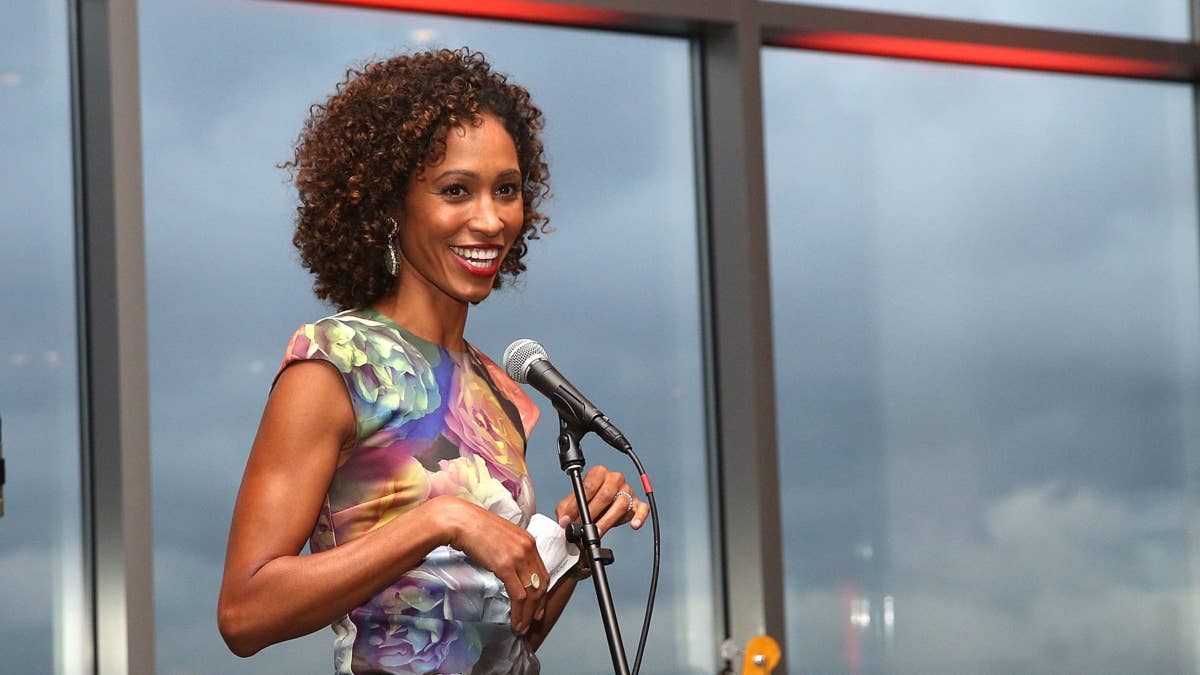
The WNBA is no stranger to controversy, but this week, former ESPN anchor Sage Steele has pointed the finger squarely at the league's top brass. Appearing on the Finnerty show, Steele didn't hold back, blaming what she called "terrible leadership" for the ongoing issues plaguing the league.
At the center of the storm is a heated incident from the weekend, where Chicago Sky guard DiJonai Carrington was assessed a flagrant 2 foul—and an automatic ejection—for striking Indiana Fever star Sophie Cunningham in the head and neck area. Steele, who has never been shy about voicing her opinions, agreed with the call on the court.
"That was a flagrant 2, which means intentional, which means automatic ejection," Steele said. "The right call was made."
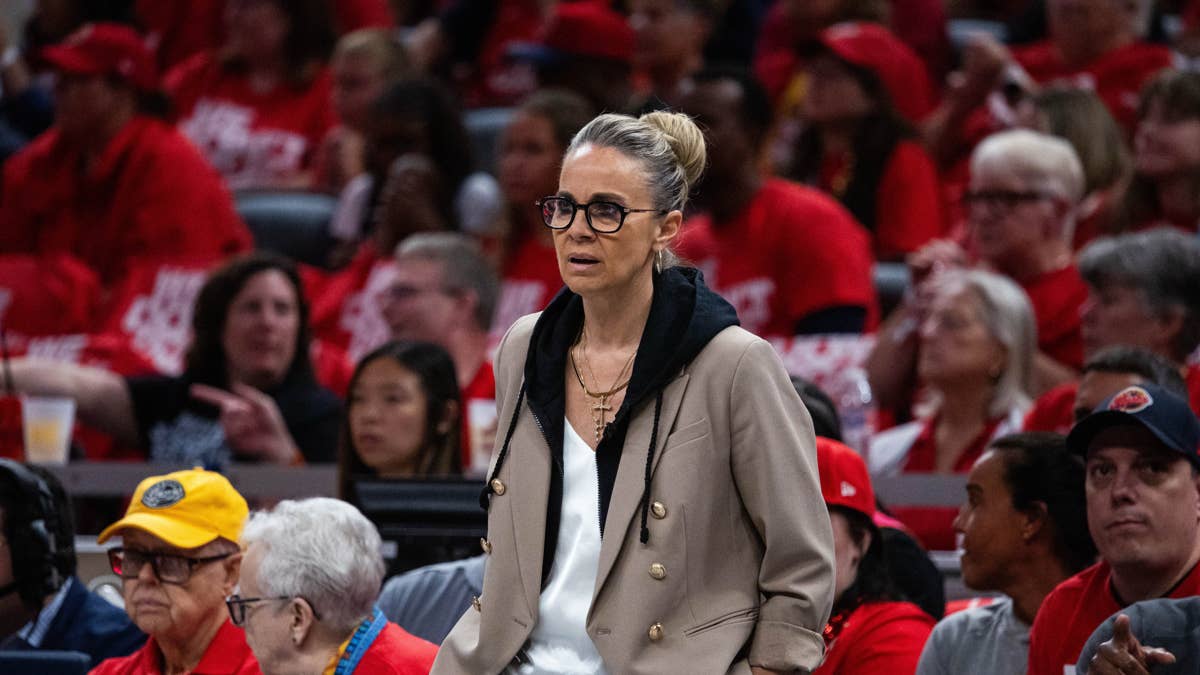
However, her frustration quickly shifted to Fever head coach Stephanie White, who Steele felt didn't defend Cunningham strongly enough in her post-game comments. "The coach always defends their player," Steele argued. "So it's just insane, especially right now with all that's going on."
Steele's broader critique targets WNBA Commissioner Cathy Engelbert, who she believes is failing to steer the league through its most promising—and most turbulent—period. "When you have a high level of basketball being played, then you continue to bring it down with things like this," Steele said. "This is terrible leadership."
According to Steele, Engelbert and other league officials are adopting a hands-off approach, driven by a "fear of offending a whole litany of people." This cautious stance, Steele argues, is allowing controversies like the Carrington-Cunningham clash to overshadow the league's remarkable growth in popularity and talent.
The WNBA has indeed seen a surge in viewership, attendance, and cultural relevance, but it has also faced criticism over officiating, player conduct, and now, leadership. Engelbert's future as commissioner has been the subject of speculation, with conflicting reports about whether she'll remain at the helm.
Yet, as other voices in the basketball world have also raised concerns about WNBA leadership, it's clear that the league's growing pains are far from over. Steele's comments echo a sentiment that has been brewing for some time: the WNBA's potential is being hampered by those in charge.
Whether Engelbert stays or goes, the next commissioner will face the same challenges—balancing the league's rapid ascent with the need for decisive, transparent leadership. As Steele's critique suggests, the WNBA's future may depend on finding someone who can navigate these turbulent waters without fear.