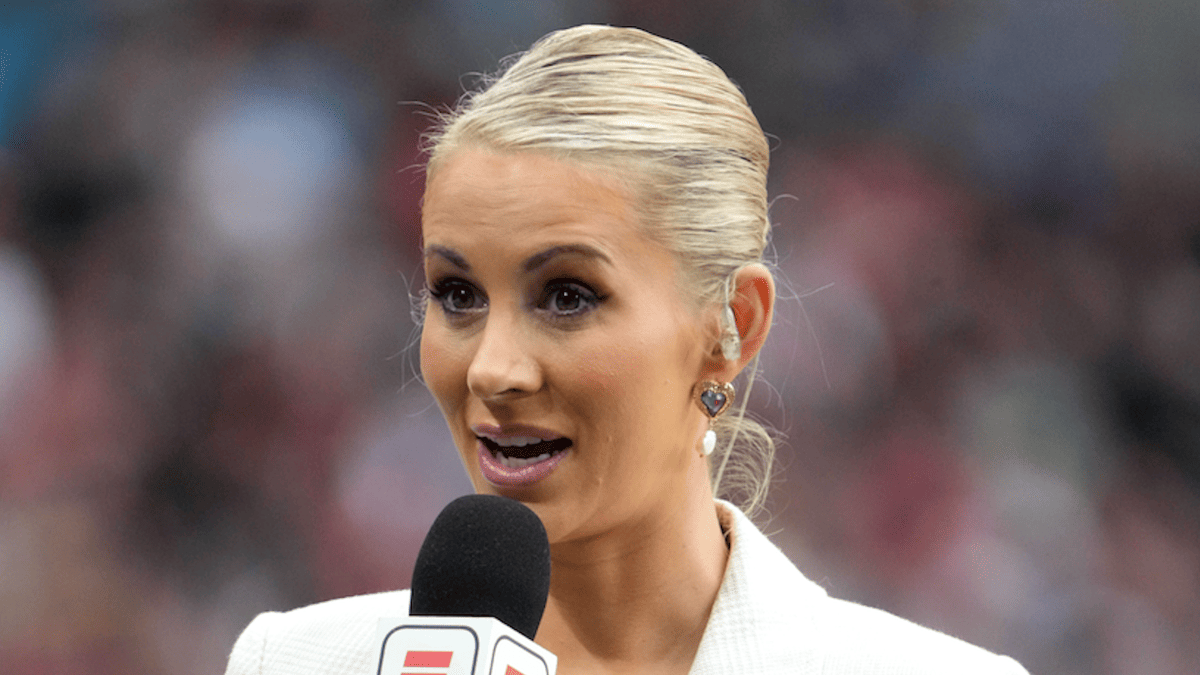
Awkward postgame interviews are a staple of sports broadcasting, but how sideline reporters handle them can vary wildly. Two recent incidents involving ESPN's Laura Rutledge and Holly Rowe have put the spotlight on the delicate art of wrangling reluctant athletes and coaches—and the reactions couldn't have been more different.
Last season, Rutledge found herself in a tricky spot after a Los Angeles Chargers win on Monday Night Football. Quarterback Justin Herbert, clearly not in the mood for a chat, reluctantly gave her minimal answers. The clip went viral, with many viewers sympathizing with Rutledge's predicament. But instead of expressing frustration, Rutledge later revealed she completely adjusted her approach to accommodate Herbert's discomfort.
“I mean, he had a broken hand, and he was frustrated, I think, with the way that some of the parts of the game had gone and he had been so tough. He had played so well with everything he was dealing with. But I completely changed my interview structure because I wanted to get him out as fast as possible. I didn’t want to keep him any longer than we had to. I’m so sensitive to somebody not wanting to necessarily be there,” Rutledge admitted later that season. She added, “He doesn’t want credit. He loves to give credit to his teammates. I think that was a lot of the reason why it went the way that it did. But again credit to Justin for sticking through it—and doing the interview. No hard feelings by me.”
Fast forward to this past weekend, and Rowe faced a similar challenge during a postgame interview with Texas head coach Steve Sarkisian. After answering just one question, Sarkisian abruptly walked off to celebrate with his players, leaving Rowe visibly annoyed. The camera caught her rolling her eyes, and she didn't bother to offer a parting remark—just walked off screen, clearly upset. The clip quickly made the rounds on social media, with fans divided over whether Rowe's reaction was justified or unprofessional.
Rutledge's grace and Rowe's visible irritation have sparked a broader conversation about the role of sideline reporters. Are these postgame interviews really necessary, or are they just a source of awkward TV moments? Some argue that athletes and coaches are under immense pressure and deserve patience, while others believe that a professional interviewer should be able to handle a brush-off without showing frustration.
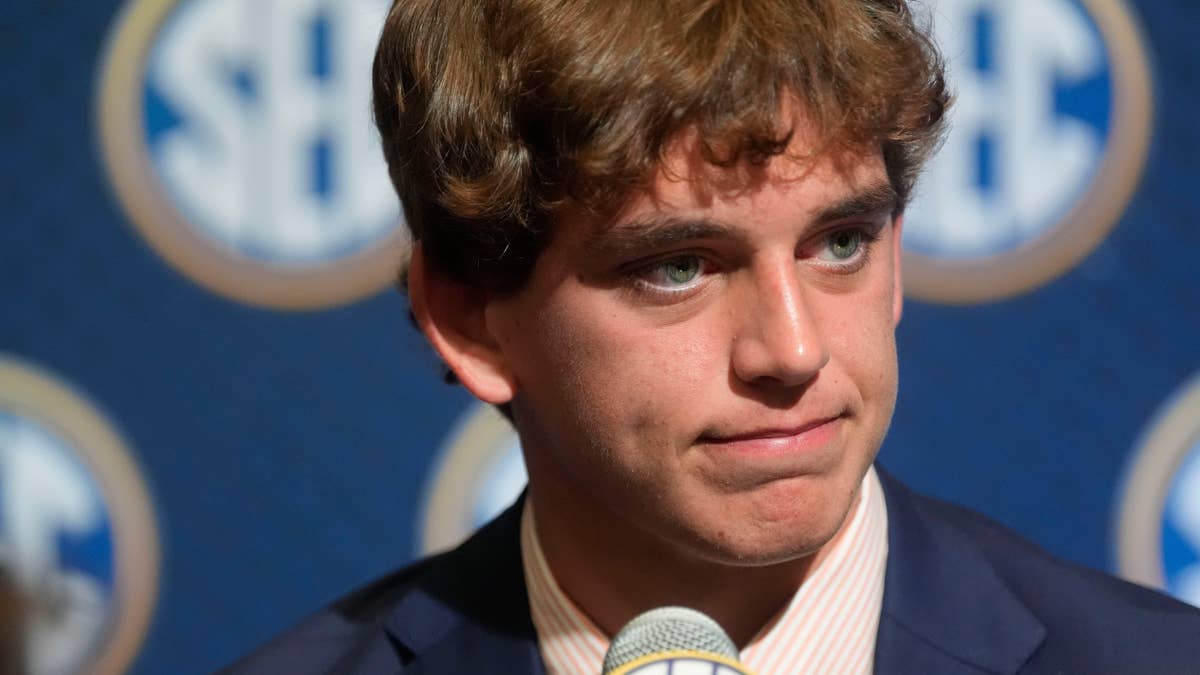
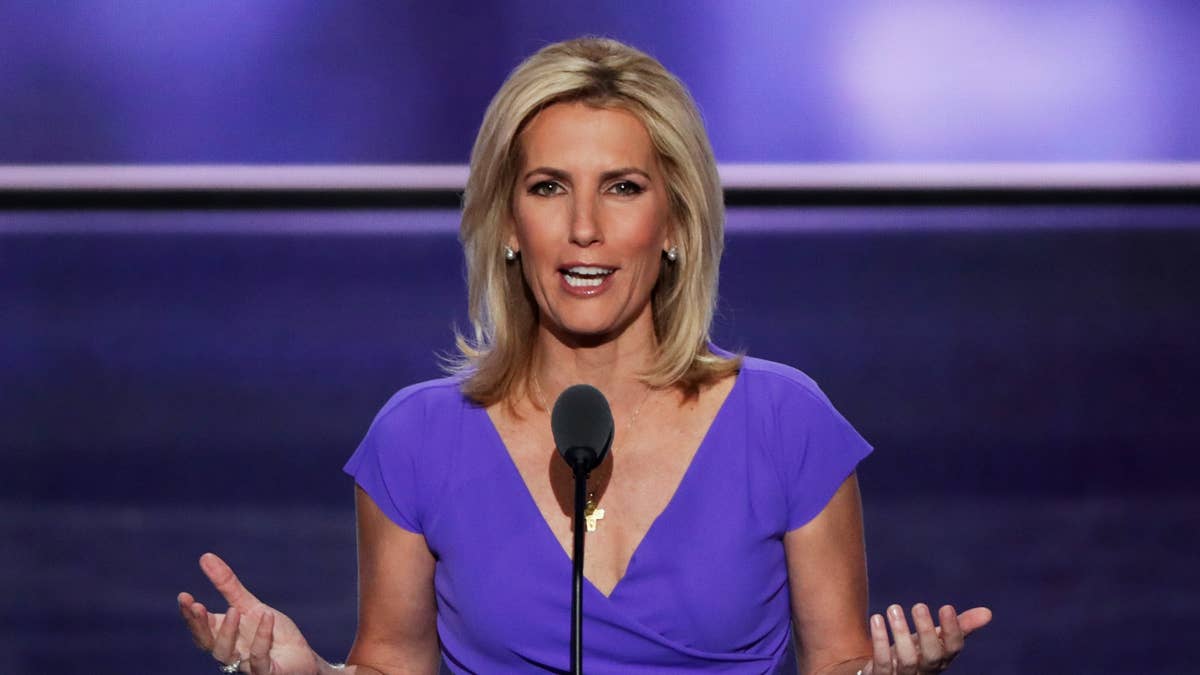
The debate has even drawn commentary from other media figures. Laura Ingraham ripped into the apology drama surrounding Rowe, calling the whole situation 'embarrassing.' Meanwhile, Texas has blamed technical issues for Sarkisian's abrupt exit, claiming he was told the interview was over. That explanation hasn't stopped fans from weighing in, with some even calling for Arch Manning to apologize for a joke about the incident.
Rutledge's approach highlights a key skill for sideline reporters: reading the room. By recognizing Herbert's physical and emotional state, she turned a potentially negative experience into a moment of empathy. Rowe, on the other hand, let her frustration show, which some see as a natural reaction to being disrespected on live TV.
As the 2026 football seasons roll on, the question remains: should we even have these interviews? The backlash over Sarkisian's snub shows that fans are deeply invested in how these moments play out. Whether you side with Rutledge's understanding or Rowe's irritation, one thing is clear: postgame interviews aren't going away, and neither is the drama they bring.
For now, both reporters have moved on, but their contrasting reactions have left a lasting impression. It's a reminder that in the high-pressure world of live sports, even the best-laid interview plans can go sideways—and how you handle it says a lot about your professionalism.