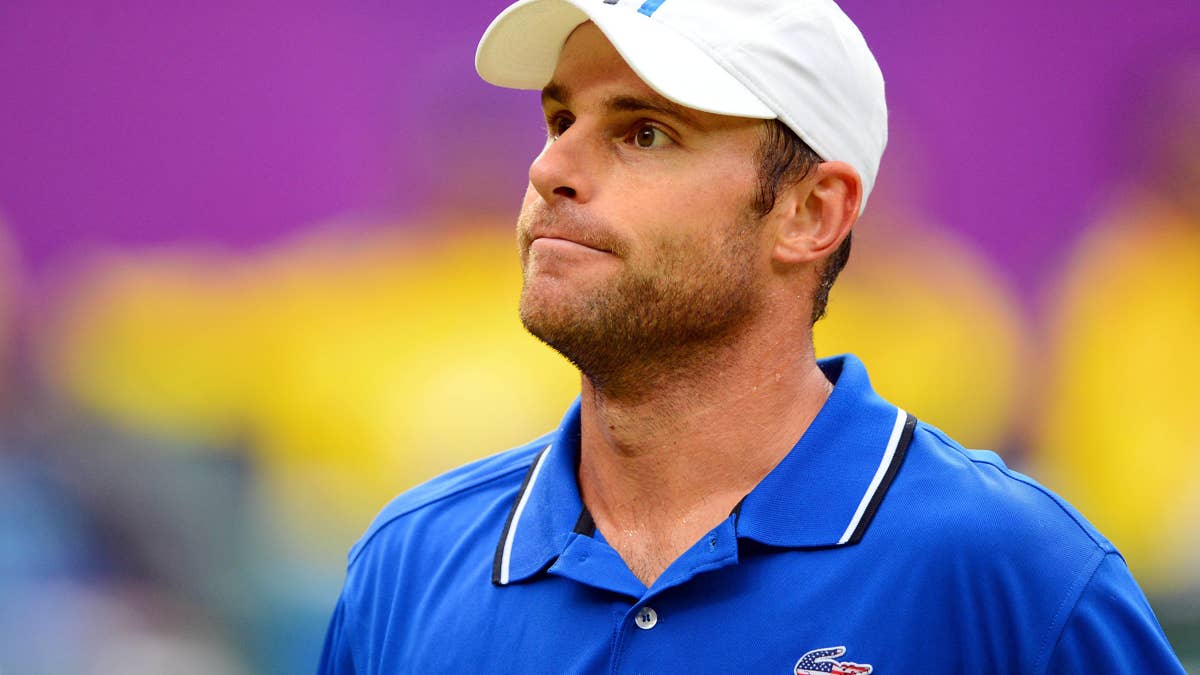
The U.S. Open's late-night finishes have sparked plenty of grumbling, but Andy Roddick isn't having any of it. After Carlos Alcaraz and Ben Shelton delivered a five-set thriller that didn't wrap up until after 3 a.m. ET, the former champion took to his podcast to shut down the critics.
Roddick, the last American man to win a Grand Slam when he triumphed at Flushing Meadows in 2003, addressed the backlash on his Served podcast. His message? Stop complaining and start appreciating what unfolded on the court.
'I Hear a Lot of Complaining, Not Solutions'
The marathon quarterfinal between Alcaraz and Shelton started around 11 p.m. ET, pushed back by a lengthy three-set women's match between Jessica Pegula and Emma Navarro, which itself was delayed by Frances Tiafoe's five-set epic earlier in the day. Fans took to social media to vent about the impossible finish time, but Roddick sees it differently.
“I know a lot of the comments are, you know, 'How do you finish at 4 in the morning?' and all of that,” Roddick said. “Well, every match goes to a match tiebreak except for one. And you've got to get 25,000 people out of a stadium responsibly, and you've got to get 25,000 people in responsibly. So, I hear a lot of complaining. I don't hear a lot of proposed solutions.”
Roddick argues that the schedule was simply a product of circumstances beyond anyone's control. The quarterfinals are played at Arthur Ashe Stadium, and the tournament wants them in primetime. When matches run long, late finishes are inevitable.
No Easy Fix
“Starting earlier wasn't possible because of Frances and Mickelson's match,” Roddick explained. “And so, you have to have a night session at the US Open. It's one of the things that we all love. And they've been on the wrong side of luck.”
Some have suggested shortening matches or adopting a different format, a point echoed by sports commentator Bill Simmons. Roddick acknowledged the argument but pushed back.
“I know there are some people who have said shorter format. And I know Bill Simmons made the point that this is ridiculous, that we're playing too long. He's normally well thought out in his thoughts. I don't disagree with the premise that, like, 'Five hours is too much. I'm bored,'” Roddick said.
But ultimately, Roddick believes the spectacle outweighed any inconvenience. “I understand all the pragmatists out there that say we should have a shorter format. I understand the reasons for it. I understand that it's inconvenient for Sean to be up until 4:00 a.m., you know, watching this match while he's editing last night's show,” he said. “I understand that some people have to go to sleep because, like you, I had to go to sleep to protect my workday today. I understand all of the rational arguments. And my only argument to you is: Did you (expletive) see what happened last night?”
The late-night drama at the U.S. Open has also drawn criticism over disruptive influencers in the stands, but Roddick's focus remains on the tennis. As the tournament progresses, the debate over scheduling is unlikely to fade, but for Roddick, the magic of those late-night battles is exactly what makes the U.S. Open special.