In a bold move that has stirred debate across the recruiting landscape, Rivals—one of the most influential platforms in college sports—has introduced a premium service that lets high school athletes pay $499 for a formal evaluation and a shot at rankings consideration. The company, acquired by On3 last year, insists this isn't about selling stars but about uncovering hidden gems in a vast talent pool.
Rivals' new program, dubbed Rivals Recruits, promises a scouting report, an evaluation grade, and the chance to be considered for rankings. The initiative aims to address what the company calls a "capacity gap"—the stark reality that only a tiny fraction of high school athletes ever get the attention of professional scouts.
"The goal is simple: evaluate more athletes, discover more talent, and create more opportunities. And do it with the integrity of Rivals at the center and the reach to ensure athletes who earn recognition receive the exposure they have earned," the company states.
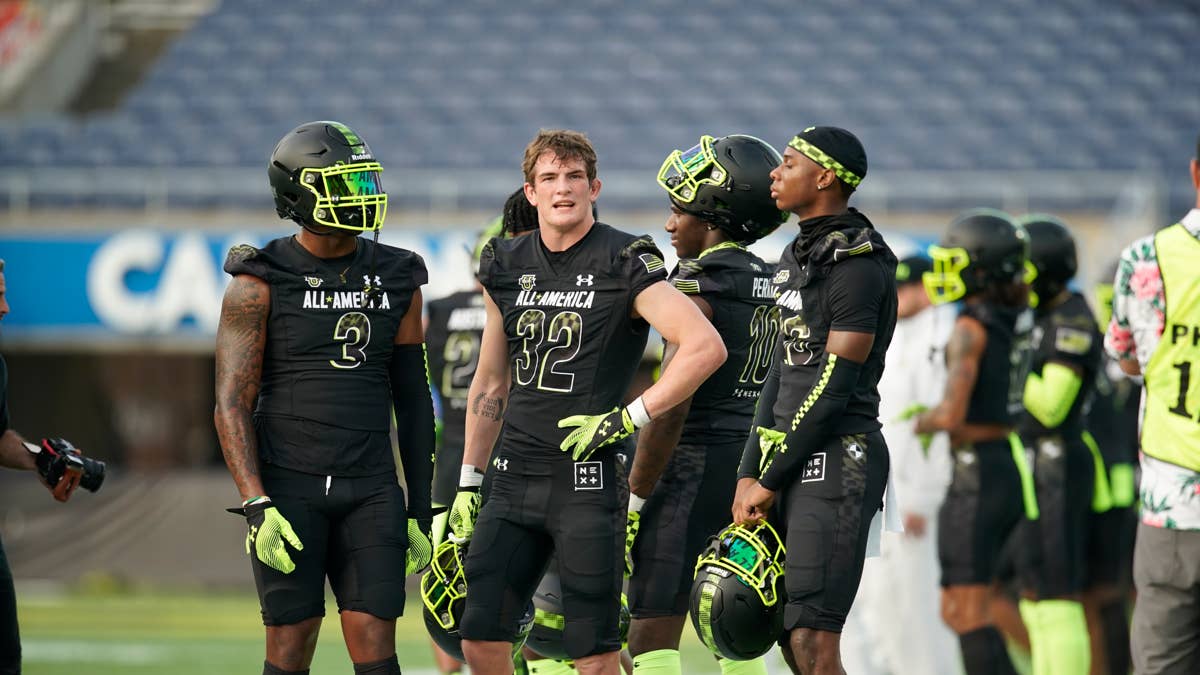
The numbers tell the story: over one million boys played high school football last season, yet Rivals typically rates only about 6,600 prospects across the senior, junior, and sophomore classes at any given time. That's roughly 0.6% of participants. Rivals argues that traditional recruiting services have focused almost exclusively on future FBS stars, leaving the vast majority of athletes—many of whom could compete at FCS, Division II, NAIA, or Division III levels—without any professional evaluation.
Shannon Terry, founder of On3, Rivals, and 247Sports, took to social media to defend the practice. "1.04M kids played HS football last season. About 6,600 held a Rivals star rating… roughly 0.6%. That’s not a talent gap. It’s a capacity gap," he wrote. "Our scouts have always focused on FBS prospects, and FCS, D-II, NAIA and D-III kids rarely get their film watched. Rivals Recruits puts the same scouts, held to the same standards, on more of that film."
Terry emphasized that payment only secures access to the evaluation process, not the outcome. "You can pay for an evaluation. You can’t pay for the result," he added, calling it a "great resource and link for all college coaches and scouts."
Rivals is unequivocal on this point: "Ratings, rankings and stars are earned, never bought. An athlete can purchase access to the Rivals Recruits evaluation process, but payment does not guarantee a rating, ranking, star designation or any specific evaluation outcome."
Still, the move has drawn skepticism. Critics question whether a paid evaluation service could blur the line between access and influence, even if the company insists integrity remains intact. Some see it as a pragmatic solution to a real problem, while others worry it could create a two-tier system where only those who can afford the fee get a closer look.
This isn't the first time Rivals has found itself in the spotlight over how it handles young athletes. The company has weathered controversies before, from high school team bans to tragic losses in the football community. But this new business model raises fresh questions about the commercialization of youth sports evaluations.
For now, Rivals is standing by its decision, betting that the promise of exposure—and the potential for a scholarship—will outweigh the sticker shock. Whether the program levels the playing field or simply adds a new cost to an already expensive pursuit remains to be seen.