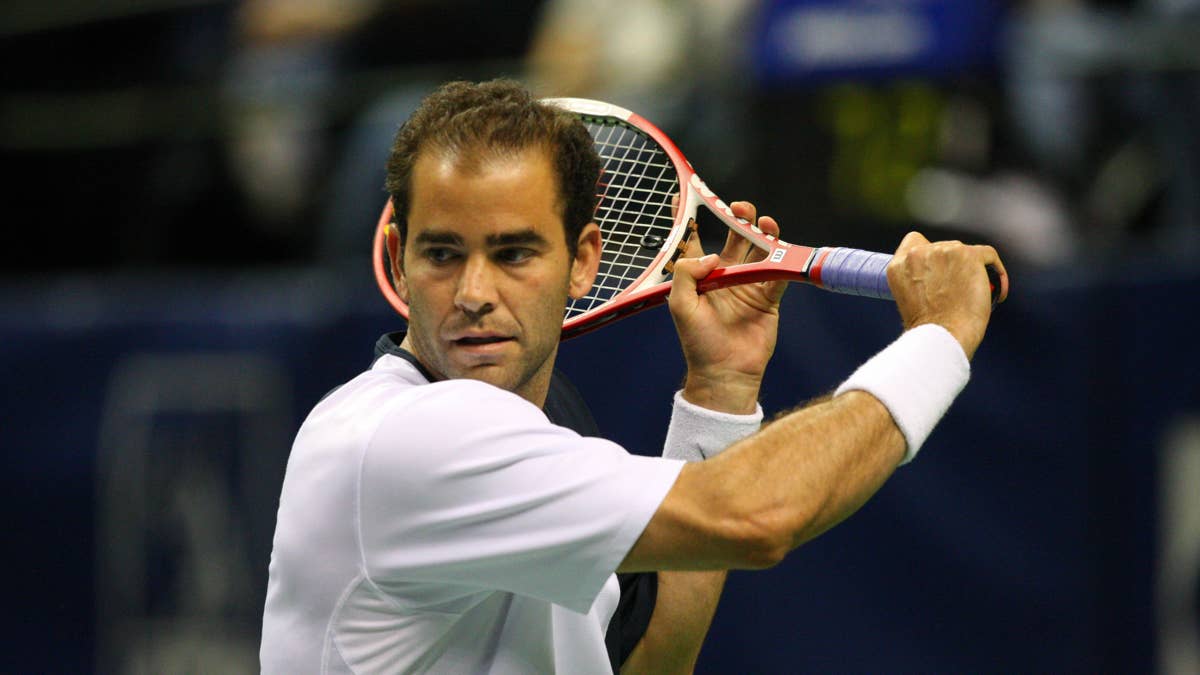
As the tennis world gears up for a blockbuster Friday night at the US Open, one of the sport's all-time greats is finding himself in the headlines for all the wrong reasons. Pete Sampras, the 14-time Grand Slam champion and five-time US Open winner, has signed on as a spokesman for Kalshi, a prediction market platform—and the backlash has been swift and fierce.
Yahoo Sports columnist Dan Wolken didn't hold back on Wednesday night, taking to social media to slam the decision. "Pete Sampras purposefully disappears for 25 years, re-emerges as a spokesman for Kalshi," Wolken wrote on X. "This sucks, man."
The criticism didn't stop there. Tennis fans, many of whom grew up idolizing Sampras, expressed their disappointment across social media platforms. "This is ugly. Big disappointment," one fan wrote. Another added, "I'm a huge Sampras fan (he's the reason I play tennis), but this is majorly disappointing. I'd prefer he'd remain a relative recluse than endorse this."
Some fans also raised legal concerns, with one commenter noting, "I really hope the courts shut these down – they aren't futures contracts – they are sports betting contracts. Kalshi and Polymarket need to follow state regulations and follow the rules."
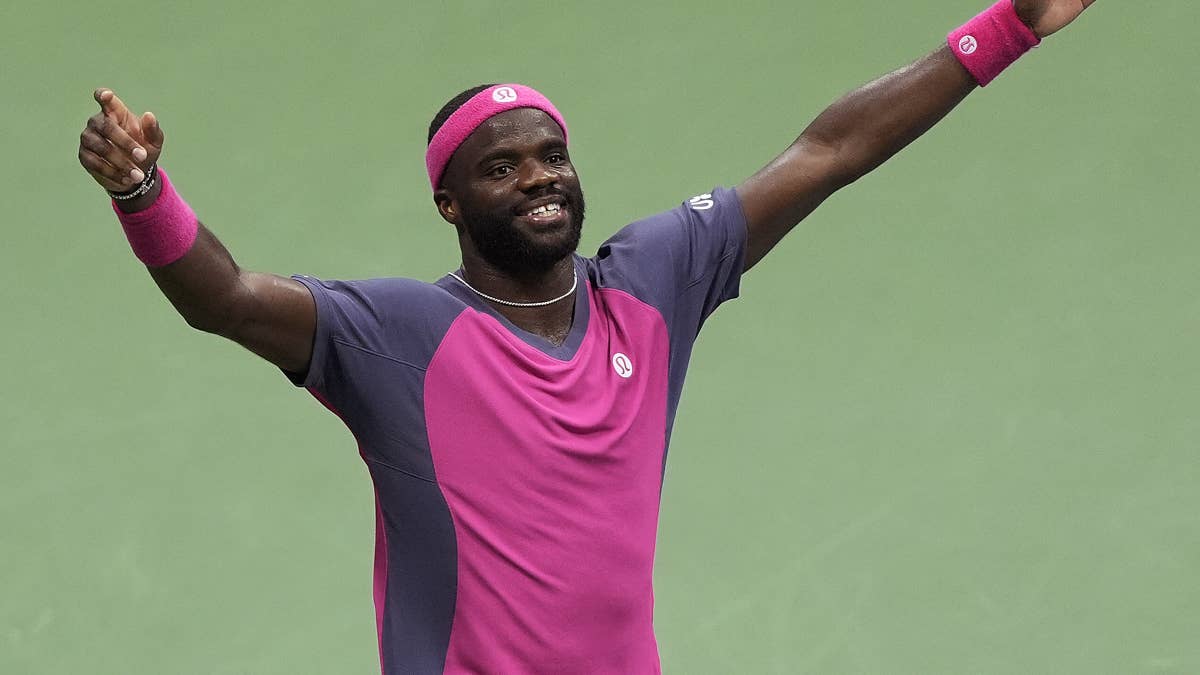
The controversy comes just days before Ben Shelton and Frances Tiafoe are set to battle for a spot in the US Open final, aiming to become the first American man to win a Grand Slam since Andy Roddick in 2003. Sampras, who once ruled the New York hard courts, now finds himself on the other side of the spotlight.
Kalshi's partnership with the US Open has already sparked debate. Earlier this year, the tournament announced Kalshi as its "first Official Prediction Market Partner," a move that drew criticism from players like Jessica Pegula. "Players can't do anything off of a betting type of sponsorship. But, you know, the tournaments profit off of a lot of that stuff," Pegula told reporters. "And I don't know, it's a tricky question because we get a lot of negativity from people that use stuff like that from bettors, whether you win or lose. It doesn't even matter sometimes. And we get a lot of hate for it on social media. So it's tough when you see that. And then they're a big sponsor behind the court, or they're on TV. And it's tricky."
This isn't the first time the tennis community has clashed with gambling or prediction-related sponsorships. The sport has seen a rise in such partnerships, and many players and fans are growing uneasy with their prevalence. Sampras's involvement, however, feels particularly jarring to some, given his historically private nature.
For years, Sampras stayed out of the public eye, rarely making appearances or endorsements. His sudden return as a Kalshi pitchman has left many wondering if the allure of the deal outweighed the potential damage to his legacy. As the US Open semifinals approach, the conversation around Sampras's decision is unlikely to fade—especially with the tournament itself already under scrutiny for its Kalshi ties.
While Sampras has yet to respond publicly, the backlash serves as a reminder that even legends aren't immune to criticism when their choices seem out of step with their image. For a sport that prides itself on tradition, the intersection of tennis and prediction markets is proving to be a contentious one.