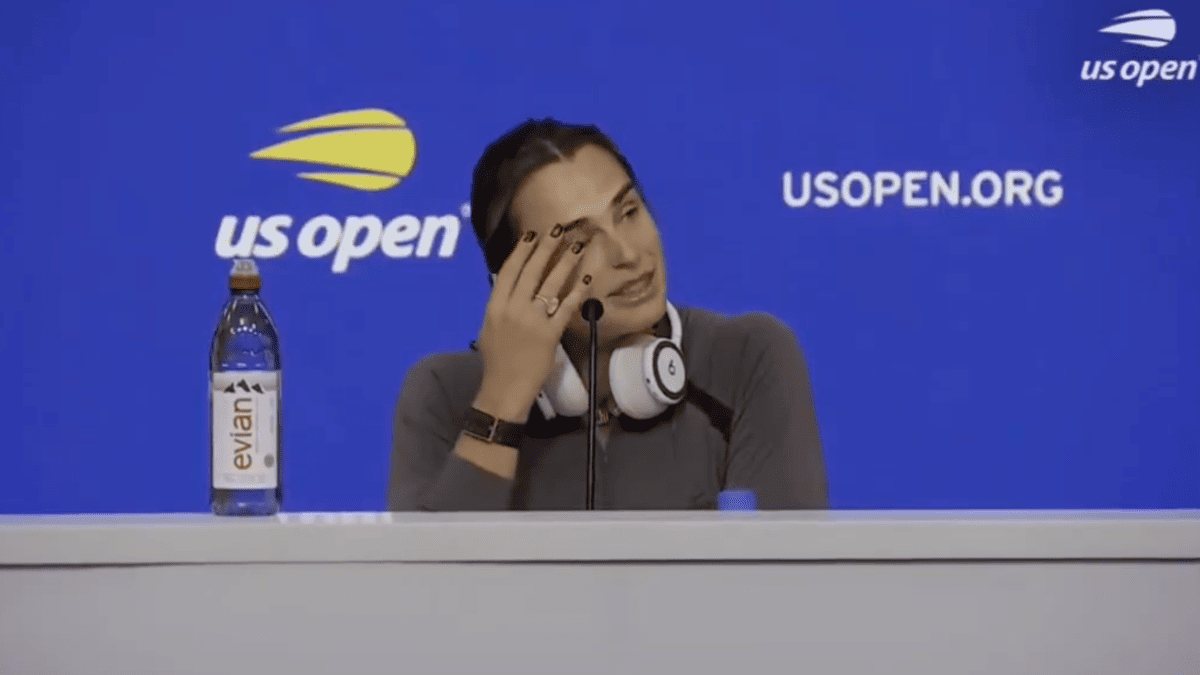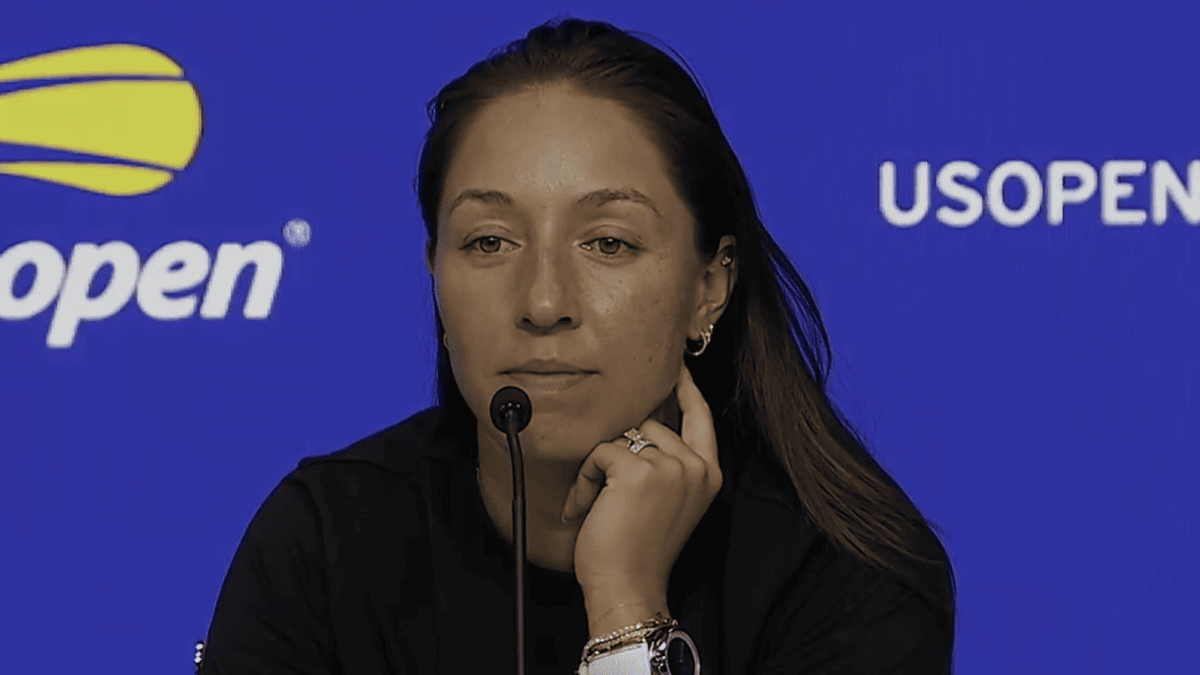
Jessica Pegula is not mincing words when it comes to the US Open's latest corporate tie-up. The American tennis star has publicly criticized the tournament's decision to partner with Kalshi, a prediction market platform, calling out the apparent double standard that leaves players holding the bag while the event cashes in.
Before the final Grand Slam of the season kicked off, the USTA announced Kalshi as the "first Official Prediction Market Partner" of the US Open. The deal gives Kalshi a presence on digital platforms and on-court signage, a move the USTA framed as a step forward for fan engagement. CEO Craig Tiley touted the partnership as a way to keep tennis "at the cutting edge of global sports innovation," but not everyone is buying it.

During a recent media availability, Pegula didn't hold back. "Players can't do anything off of a betting type of sponsorship. But, you know, the tournaments profit off of a lot of that stuff," she said. "And I don't know, it's a tricky question because we get a lot of negativity from people that use stuff like that from bettors, whether you win or lose. It doesn't even matter sometimes. And we get a lot of hate for it on social media. So it's tough when you see that. And then they're a big sponsor behind the court, or they're on TV. And it's tricky."
Pegula's frustration isn't just theoretical. After her shocking fourth-round exit at the 2025 French Open, she was flooded with angry messages from bettors who had lost money on her match. She took to social media to vent, writing, "These betters are insane and delusional and I don't allow dms and try to remember when to shut my comments off during tournament weeks but they always find a way to my timeline. This stuff has never really bothered me much but does any other sport deal with this to our level? I'd love to know because it seems to be predominately tennis?? It's so disturbing."
The issue of betting-related abuse is not unique to Pegula. Many players have spoken out about the relentless harassment they face from gamblers, especially in singles tennis where one bad day can wipe out a bettor's parlay. The sport's individual nature makes players easy targets, and the constant barrage of hate can take a toll on mental health. As other sports grapple with similar issues, tennis seems to be bearing the brunt.
Pegula's criticism also highlights a broader tension within the sport. While players are prohibited from any association with betting companies, tournaments like the US Open are free to forge lucrative partnerships with gambling-related entities. This hypocrisy is not lost on Pegula, who pointed out that the negativity players face often comes from the very industry that sponsors the events they play in.
The USTA, for its part, has defended the partnership, emphasizing that Kalshi is a prediction market rather than a traditional sportsbook. But for many, the distinction is thin. Prediction markets allow users to bet on outcomes, and the potential for harm is similar. As the US Open continues to court controversy, Pegula's comments add to the growing chorus of voices questioning the direction of the sport.
This isn't the first time the US Open has faced backlash over its partnerships. Earlier this year, calls to ban disruptive influencers gained traction after a series of incidents disrupted matches. Now, with the Kalshi deal, the tournament is once again at the center of a debate about the commercialization of tennis.
Pegula, who comes from a wealthy background—her parents are billionaires with a net worth of $9.3 billion—has never been one to shy away from speaking her mind. But her critique here is not about money; it's about fairness and the well-being of players. "It's tough when you see that," she said, referring to the constant abuse. "And then they're a big sponsor behind the court, or they're on TV."
As the US Open gets underway, the question remains: will the tournament listen to its players, or will it continue to prioritize profit over principle? For now, Pegula's words serve as a stark reminder that the relationship between sports and gambling is fraught with complications, and that players are often the ones left to deal with the fallout.