The bombshell story involving New England Patriots head coach Mike Vrabel and former reporter Dianna Russini continues to send shockwaves through the sports world. Now, a fresh report peels back the curtain on a frantic, behind-the-scenes scramble by the Patriots organization to prevent the story from ever seeing the light of day.
The Eleventh-Hour Effort to Silence the Story
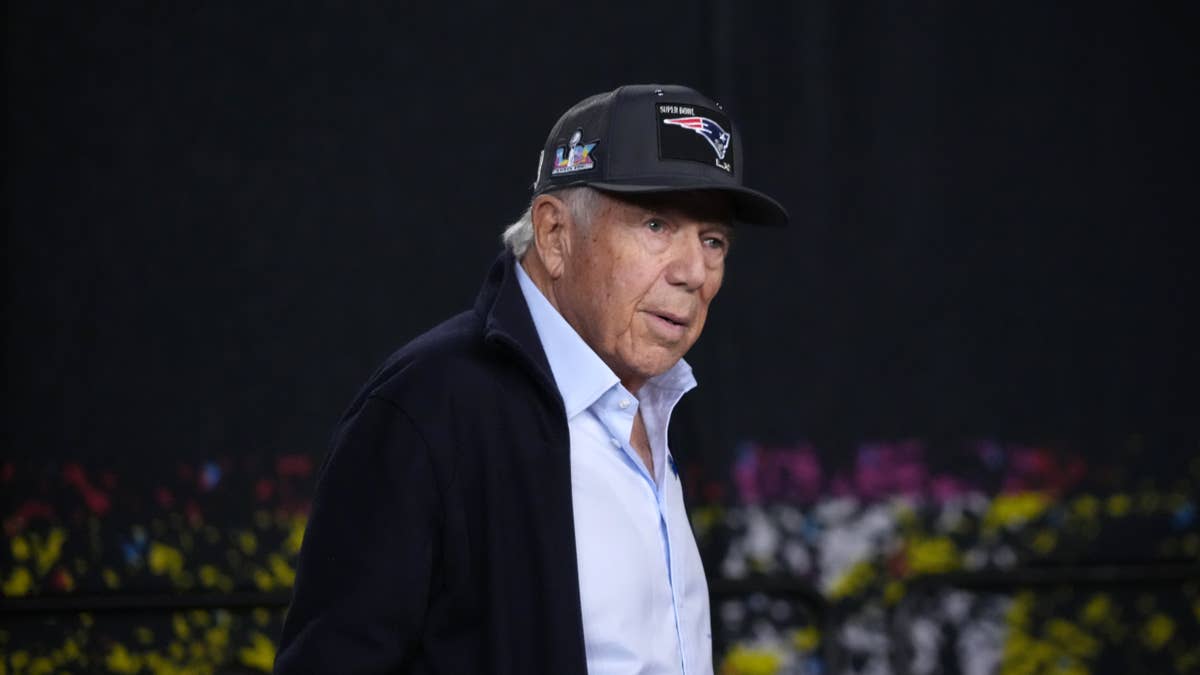
According to an exclusive from In Touch Weekly, Patriots owner Robert Kraft personally attempted to apply pressure on the New York Post in a bid to 'kill' their exposé. The report alleges that Kraft exploited an extended response timeframe the Post granted Vrabel, using it to lobby the newspaper and its reporter directly. A notorious crisis strategist was reportedly enlisted to make the call, but the effort proved unsuccessful in stopping the tabloid from moving forward.
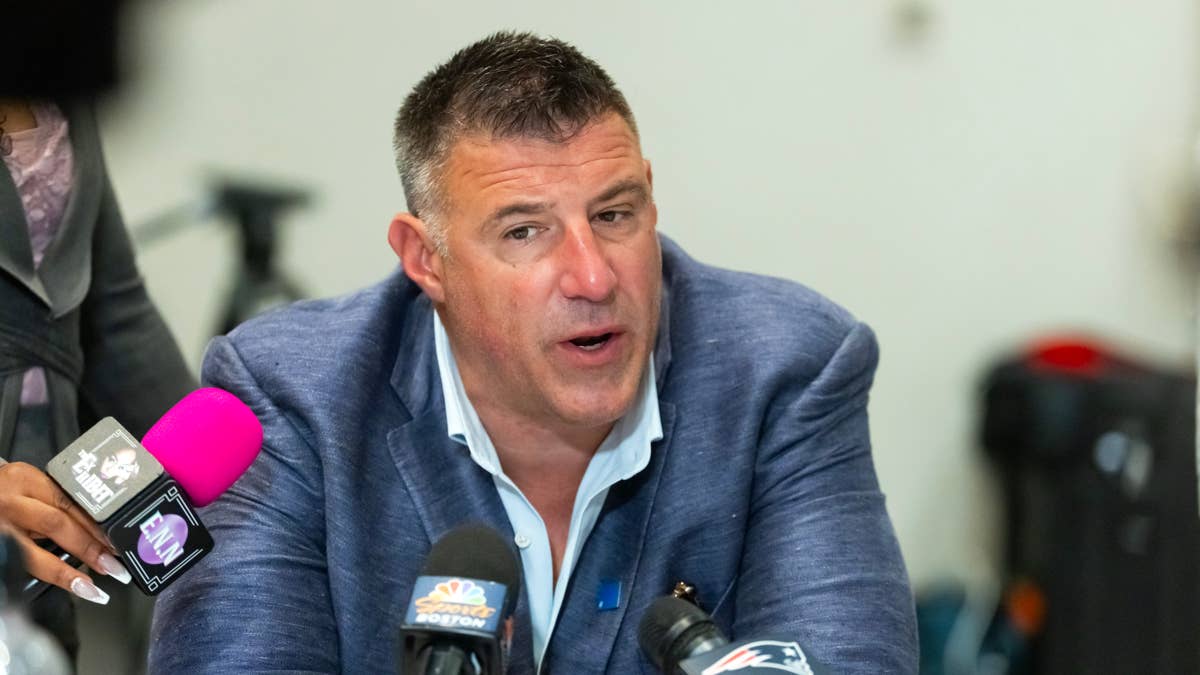
This revelation aligns with previous reporting from ESPN's Ben Strauss, which noted that all parties involved made a last-minute dash to halt publication. Strauss indicated that Vrabel, Russini, and executives from The Athletic—owned by the New York Times—raced to respond, operating under the belief that the Post might soften the story's tone or spike it entirely if provided with compelling evidence supporting their claims of separate trips with friends.
A Media Scandal With Lasting Fallout
The story, which featured photos of Vrabel and Russini at an adults-only Arizona resort, broke nearly two weeks ago and immediately became one of the biggest sports media headlines of the year. The fallout was swift and significant, prompting statements from both individuals and culminating in Russini's resignation from her high-profile journalism position after more than a decade in the industry.
It's easy to understand the motivation behind the desperate attempts to suppress the story. For Vrabel, a prominent NFL head coach, and the Patriots franchise, the potential for reputational damage was immense. For Russini, a respected journalist, the personal and professional stakes were equally high. Their coordinated crisis response, however, could not prevent the inevitable publication.
This incident is the latest in a series of prominent media shakeups affecting the NFL landscape. It also echoes other high-profile cases where subjects have pushed back against reporting, such as when a fired NFL reporter hinted at legal action following public comments.
The Unanswered Questions and Lingering Impact
The report raises questions about the boundaries between sports franchises and the media that covers them. How often do powerful teams attempt to influence editorial decisions? While media standoffs aren't new—recall the ESPN reporter locked out of a major WWE event—the direct involvement of an owner like Kraft adds a significant layer of intrigue.
Ultimately, the Post's decision to publish prevailed, demonstrating the tension between journalistic pursuit and the powerful entities it scrutinizes. The saga serves as a stark reminder of the high-stakes drama that can unfold off the field, where reputations and careers are often on the line. As the dust settles, the sports world is left to ponder the lengths organizations will go to protect their image, and what it means for the future of sports journalism.