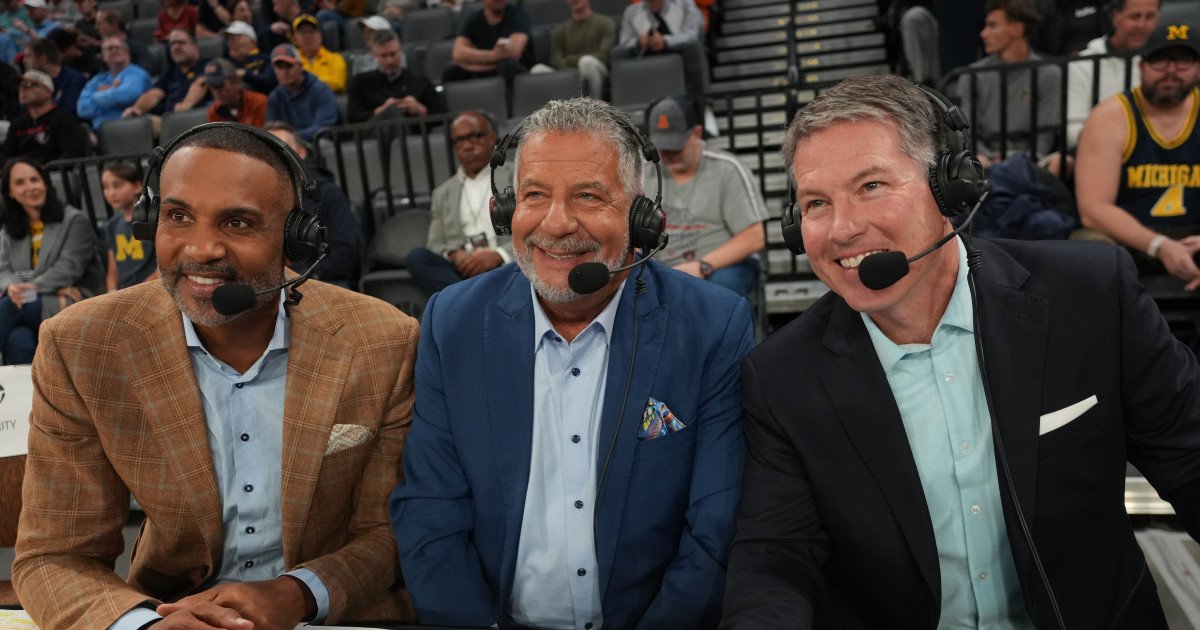
March Madness is supposed to be about the games, but a brewing controversy off the court is stealing headlines. TNT's recent hiring of former Auburn coach Bruce Pearl as a tournament analyst has sparked a firestorm of criticism, with fans across the country demanding the network show him the door before the first tip-off.
A Swift Transition Sparks Suspicion
Pearl's move from the Auburn sideline to the broadcast booth happened in a flash. Shortly after announcing his departure from coaching the Tigers, he signed on to provide analysis for TNT and CBS Sports' coverage of the NCAA Tournament. While network executives likely saw a seasoned basketball mind, many viewers saw a potential problem waiting to happen. The discontent reached a boiling point this past weekend during a tournament preview show.
The Miami (OH) Comment That Lit the Fuse
The controversy ignited during a discussion about the tournament field, specifically the incredible undefeated run of the Miami (Ohio) RedHawks. Coach Travis Steele's squad has captivated the nation with a perfect 29-0 record, including a tight road victory over Western Michigan. Yet, when the conversation turned to their tournament credentials, Pearl took a hardline stance.
"If we're selecting the 68 best teams, then Miami (OH) is going to have to win their tournament to qualify as a champion," Pearl argued on air. "Because as an at-large, they are not one of the best teams in the country." This dismissal of a historic season from a mid-major program immediately raised eyebrows and tempers across social media.
Fans Cry Foul Over Perceived Conflicts
The backlash wasn't just about one comment; it was about the person making it. Fans quickly pointed to what they see as glaring conflicts of interest that should disqualify Pearl from objective analysis.
The Auburn Ambassador Role: Pearl maintains an official role as an ambassador for Auburn University's athletics department. Coincidentally, Auburn's own team is squarely on the tournament bubble, fighting for one of the final at-large bids. "Pearl still has a job as an ambassador for Auburn’s athletics department, a team directly on the bubble," one fan wrote online. "He shouldn’t be a sports broadcaster as well due to a conflict of interest."
The Family Connection: Adding fuel to the fire, Pearl's son, Steven, is an assistant coach at the University of Tennessee—another program often mentioned in bubble conversations. "I wonder if this has to do with his son coaching a bubble team," a second fan speculated, questioning whether family ties were influencing his commentary.
A Pattern of Power Conference Protection?
For many, Pearl's comments about Miami (OH) fit a larger, frustrating pattern in college sports. Critics accuse major networks of favoring teams from powerful, revenue-rich conferences (often called "Power 5" or "P6" conferences) at the expense of compelling stories from smaller schools.
One fan articulated this sentiment perfectly: "Wow, the guy that’s not been involved with power conferences, is still employed by a power school, son coaches at power school, and is employed by a big money company on TV who promotes big money power conference teams, is defending power schools and ignoring non P5 schools." The sentiment is clear: fans believe the system is rigged, and Pearl's hiring symbolizes that bias.
The frustration has become personal for some. "I have grown to detest the sight of Bruce Pearl on TV," another social media user declared, reflecting the depth of the animosity his new role has generated.
Will TNT Listen to the Outcry?
Despite the vocal and widespread outrage flooding social media platforms, industry insiders suggest TNT is unlikely to make a change. Networks typically stand by their high-profile hires, especially so close to the start of a major event like the tournament, which is set to begin on March 17.
However, the incident has put a spotlight on the perennial debate about objectivity in sports broadcasting. As former coaches and insiders take more seats in the analyst chair, questions about their lingering affiliations and potential biases are becoming louder. For fans, the integrity of the coverage is paramount, especially during the unscripted drama of March Madness. Whether TNT acts or not, the message from the audience is clear: they expect their tournament analysts to call the games fairly, not play for their old team.