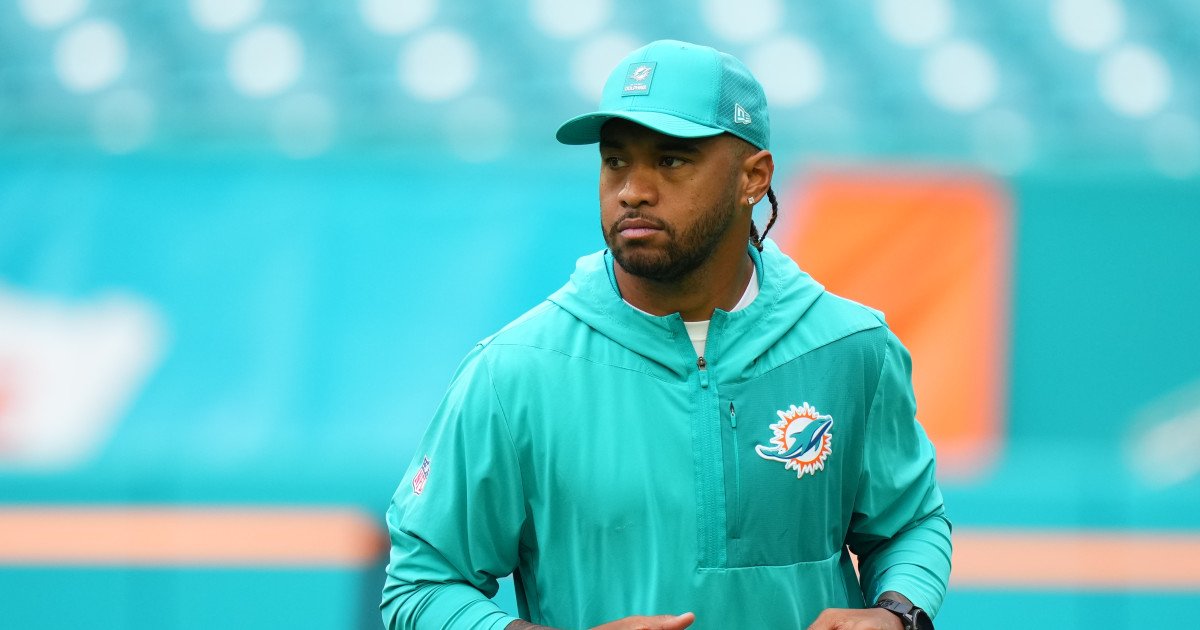
A seismic shift could be brewing in South Beach, and it revolves around the future of quarterback Tua Tagovailoa. According to a new report, the Miami Dolphins are actively exploring the trade market for their starting signal-caller, and at least one franchise has signaled a willingness to make a deal. However, there's a massive, franchise-altering catch.
The High Price of Moving On
The driving force behind Miami's potential move is financial. Tagovailoa is owed a staggering $54 million in 2026, a sum that is fully guaranteed. For the Dolphins, the cost of simply releasing him would be nearly crippling, approaching $100 million in dead cap space. This puts the team in a difficult position, making a trade the most plausible path to a fresh start under new head coach Jeff Hafley and general manager Jon-Eric Sullivan.
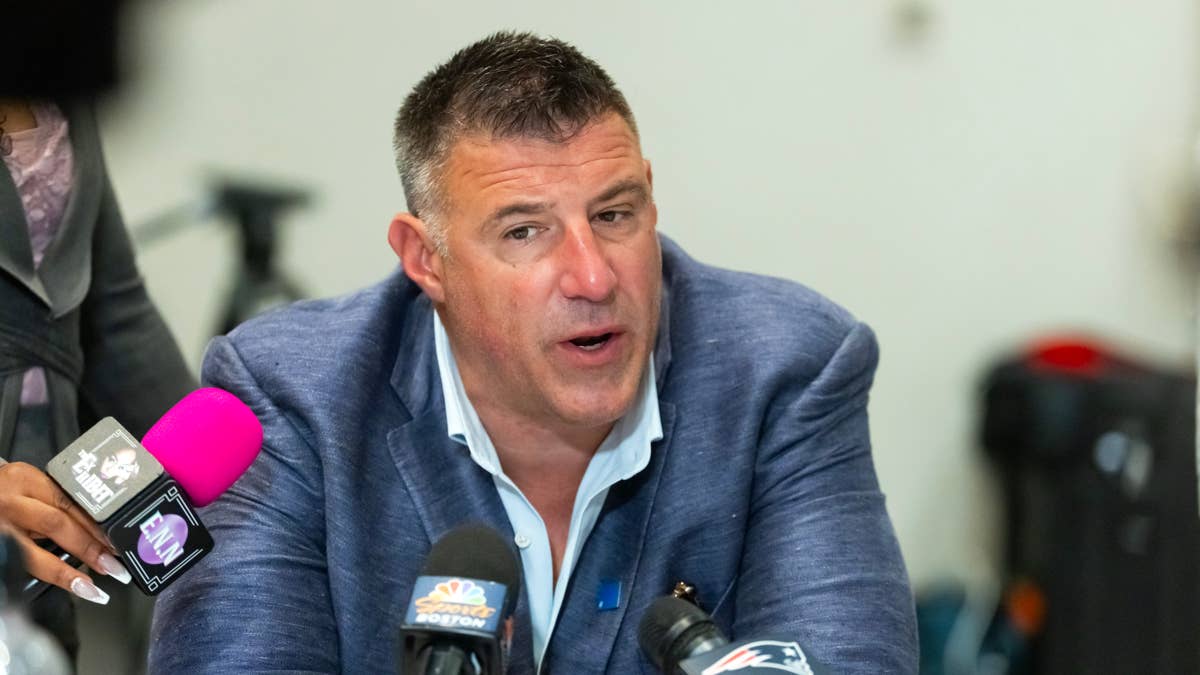
Enter the interested party. CBS Sports NFL insider Jonathan Jones reports that a high-ranking executive from one NFL team has considered taking on Tagovailoa. The condition? The Dolphins must include a first-round draft pick in the trade to help mitigate the financial "freight" of his contract. This isn't just a simple player-for-pick swap; it's a scenario where Miami would essentially pay another team to solve its quarterback conundrum.
A Precedent for Painful Trades
While unusual, this kind of deal has historical precedent in the NFL. The most direct comparison is the 2017 trade where the Houston Texans, desperate to shed Brock Osweiler's contract, sent him and a second-round pick to the Cleveland Browns for a mere fourth-round selection. The Texans' goal was purely cap relief, a short-term sacrifice for long-term flexibility.
A more complex, but ultimately successful, example is the 2021 blockbuster between the Los Angeles Rams and Detroit Lions. The Rams sent quarterback Jared Goff, two first-round picks, and a third-rounder to Detroit for Matthew Stafford. While the Rams got their Super Bowl-winning QB, the Lions absorbed Goff's contract but were richly compensated with premium draft capital to accelerate their rebuild.
The question for Miami is whether they are willing to follow a similar, painful blueprint. With numerous roster needs heading into free agency, surrendering a valuable first-round pick would be a tough pill to swallow. It represents a significant asset that could be used to build around a new quarterback or fill other glaring holes on the roster.
Weighing Short-Term Pain for Long-Term Gain
For the Dolphins' new leadership duo of Hafley and Sullivan, the calculus is clear. Is the short-term setback of losing a high draft pick worth the long-term benefit of clearing a massive financial obligation and gaining complete control over the team's future at the sport's most important position? Moving on from Tagovailoa after six seasons and two different coaching regimes would signal a definitive pivot toward a full-scale rebuild.
The report underscores the harsh realities of the modern NFL salary cap. Elite quarterback contracts can handcuff franchises, and escaping them often requires creative—and costly—solutions. The fact that an NFL executive openly discussed this conditional interest reveals how Tagovailoa's contract is viewed around the league: a major liability that requires significant compensation to assume.
As the offseason unfolds, all eyes will be on Miami's front office. Will they pull the trigger on a deal that resets their financial clock but costs them a key building block? Or will they find another, less expensive way to reshape their roster? One thing is certain: the market for Tua Tagovailoa exists, but it comes with a premium price tag that the Dolphins themselves may have to pay.