The National Football League isn't taking regulatory criticism lying down. In a bold public move, the league has officially responded to the Federal Communications Commission after the agency highlighted widespread fan frustration about how difficult it has become to watch games.
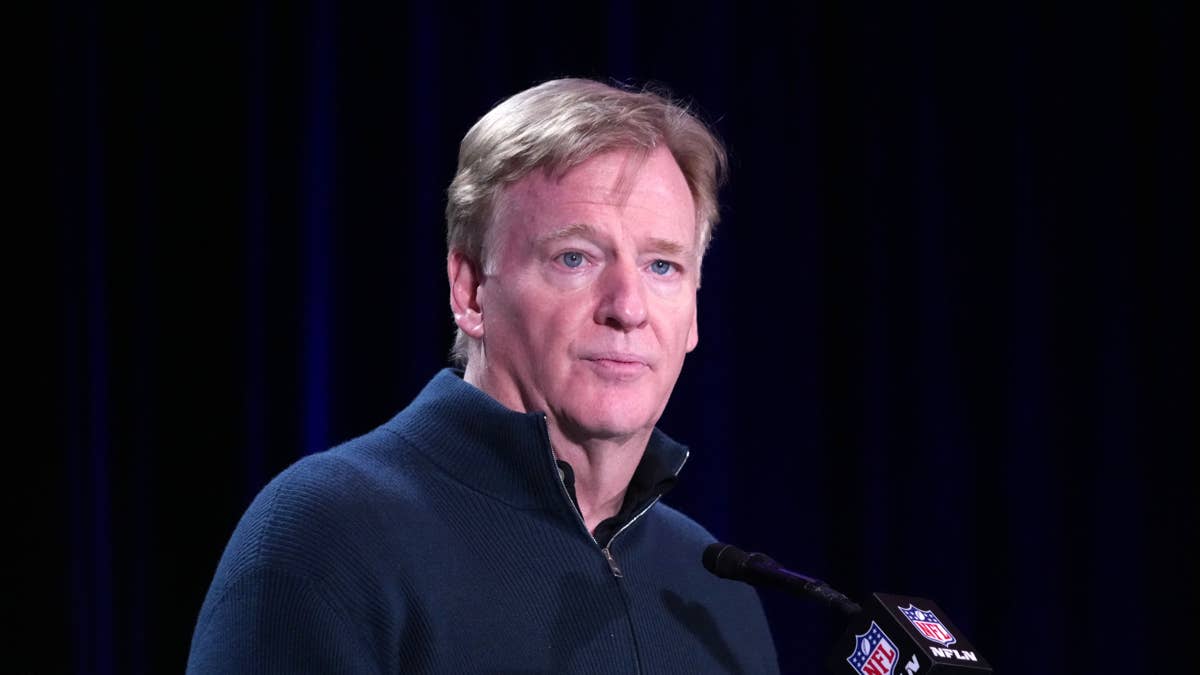
The FCC has been gathering public comments, and the results are a clear signal: fans are fed up. Commissioner Olivia Trusty revealed that over 8,000 people have weighed in, with a staggering 98% expressing aggravation with the current trend toward streaming. Their collective plea? Keep broadcast television as the primary way to catch their favorite teams. "Getting broadcast policy right includes empowering broadcasters to respond to this widely felt consumer need," Trusty stated, emphasizing the importance of local community service through sports and other programming.
For the average fan, the complaint is all too familiar. Gone are the days of flipping on the local CBS or Fox affiliate for a Sunday slate. Now, following a team might require a patchwork of network TV, a specific cable package, an exclusive streaming service like Peacock or ESPN+, and maybe even an international service for out-of-market games. It's a digital scavenger hunt that's leaving many fans exhausted and empty-handed.
The NFL, however, sees the landscape very differently. In a formal document, the league mounted a vigorous defense of its strategy. "Since its founding, the NFL has strived to put its fans at the center of everything we do," the league asserted. It pointed to a media distribution model that has been in place for over half a century as the "foundation and catalyst" for the sport's massive growth. "While nothing can replace the excitement of attending a game," the statement continued, "the vast majority of fans rely on this media distribution model to watch live games and follow the sport they love."
This isn't just about pride; it's about precedent and profit. The league is framing its current, complex web of rights deals with various networks and platforms as not just beneficial, but essential. According to reports, the NFL's core argument is that this model is "necessary" for maintaining the game's accessibility and popularity. They're essentially making their case to the FCC before the agency can consider any moves to regulate how these multi-billion-dollar television contracts are structured.
The timing of this clash is critical. As media consumption fragments, the NFL is trying to maximize revenue from every possible outlet, from traditional broadcast giants to tech-forward streamers. This public spat with the FCC reveals the tension between that business imperative and the foundational fan experience. It's a high-stakes game of optics, with the league needing to convince regulators and the public that its path forward doesn't leave loyal viewers behind.
This kind of behind-the-scenes league maneuvering often stays out of the spotlight, but when it boils over into public view, it captivates the sports world. It's reminiscent of other moments where organizations face public pressure, like when Yankees Veterans Face Fury Over Blue Jersey Proposal or when internal conflicts spill out, as seen when Ivey's Wife Publicly Contradicts Him Amid Bulls Fallout. These disputes highlight the constant balance between tradition, business, and fan sentiment.
What happens next is anyone's guess. Will the FCC's compilation of fan grievances lead to tangible pressure or potential rule-making? Or will the NFL's powerful lobbying and economic arguments carry the day? The outcome could reshape not just how we watch football, but set a precedent for all major sports leagues navigating the digital age. One thing is certain: millions of fans, tired of juggling subscriptions and hunting for games, will be watching this regulatory showdown as closely as a fourth-quarter drive.