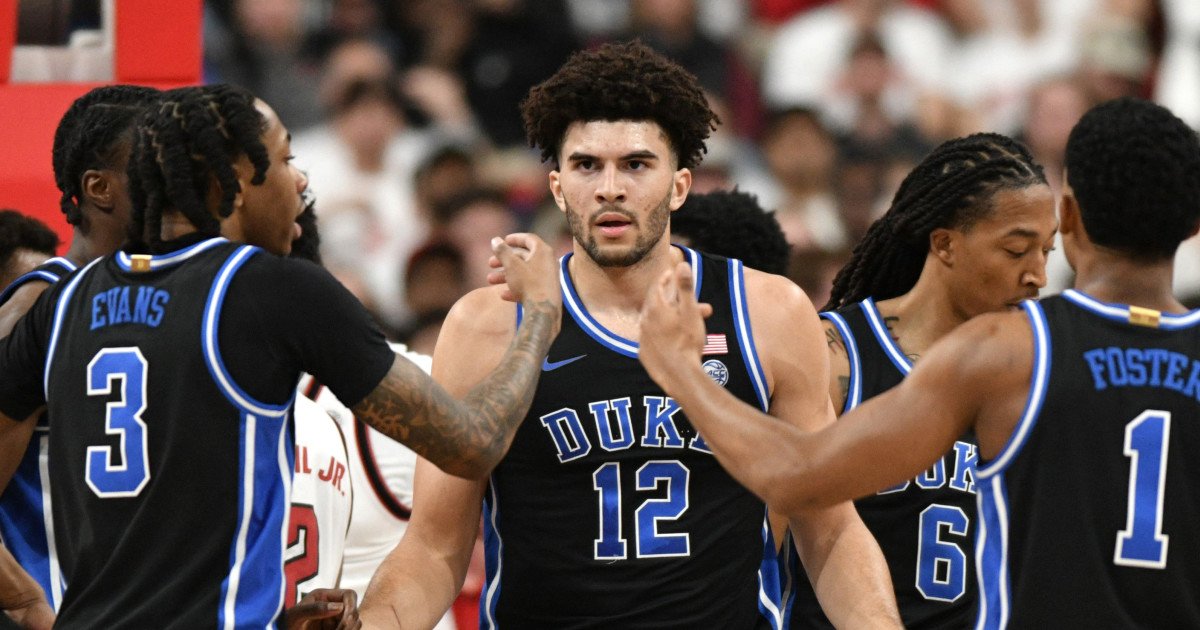
Get ready for a major shift in how March Madness teams handle injury news. The NCAA has officially greenlit a sweeping new policy that will require both men's and women's tournament squads to submit formal player availability reports, with the rules set to tip off for the 2026 championships.
A Proactive Shield Against Sports Betting
This isn't just about transparency for fans and media; it's a direct response to the growing shadow of sports betting. The association is making a concerted effort to build a protective barrier around student-athletes, aiming to insulate them from the intense scrutiny and potential harassment that can come from last-minute injury speculation in the high-stakes betting environment surrounding the tournament.
The mechanics of the new system are specific. Teams will be required to file their initial reports by 9 PM local time the night before a game. Any last-minute changes must be submitted in an update two hours before tip-off. Players will be categorized under one of three clear designations: Available (more than a 75% chance to play), Questionable (up to a 75% chance), or Out. The default assumption will be that all players are available unless otherwise noted.
Stiff Penalties for Non-Compliance
To ensure teams take these guidelines seriously, the NCAA has established a tiered penalty structure with teeth. The fines escalate quickly:
- First Offense: Up to $10,000.
- Second Offense: Up to $25,000.
- Third or Subsequent Offense: Up to $30,000 for the program plus a head coach fine of up to $10,000.
Critically, all penalties will be assessed after the conclusion of the tournaments, avoiding any potential competitive disruption during the heat of battle. This move signals the NCAA's commitment to enforcing the policy without creating in-game distractions.
From Idea to Implementation
The decision follows an announcement last October that hinted at a possible debut for the 2025 tournaments. The association has now finalized its timeline, giving programs a full cycle to adjust their processes before the 2026 Madness begins. This runway suggests the NCAA is viewing this as a foundational change, not a rushed experiment.
While the initial focus is squarely on the crown jewels of college basketball—the men's and women's NCAA tournaments—the door is open for expansion. The original reporting indicated that this model could very well be extended to other NCAA postseason events in the future, setting a new standard for athlete protection across collegiate sports.
Mark Your Calendars for 2026
As the new policy prepares for its debut, fans can already look ahead to the tournament schedules. On the men's side, the road to Indianapolis begins with Selection Sunday on March 15, 2026, culminating in the Final Four and National Championship on April 4 and 6. For the women, the journey to Phoenix starts the same day, with the Final Four on April 3 and the title game on April 5.
The introduction of mandatory availability reports marks a significant cultural and operational shift for March Madness. It aligns the collegiate showcase more closely with professional sports leagues while addressing the unique vulnerabilities of amateur athletes. When 2026 arrives, the drama of bracket busting will now be accompanied by a new layer of official pre-game intrigue, all under the NCAA's watchful eye.