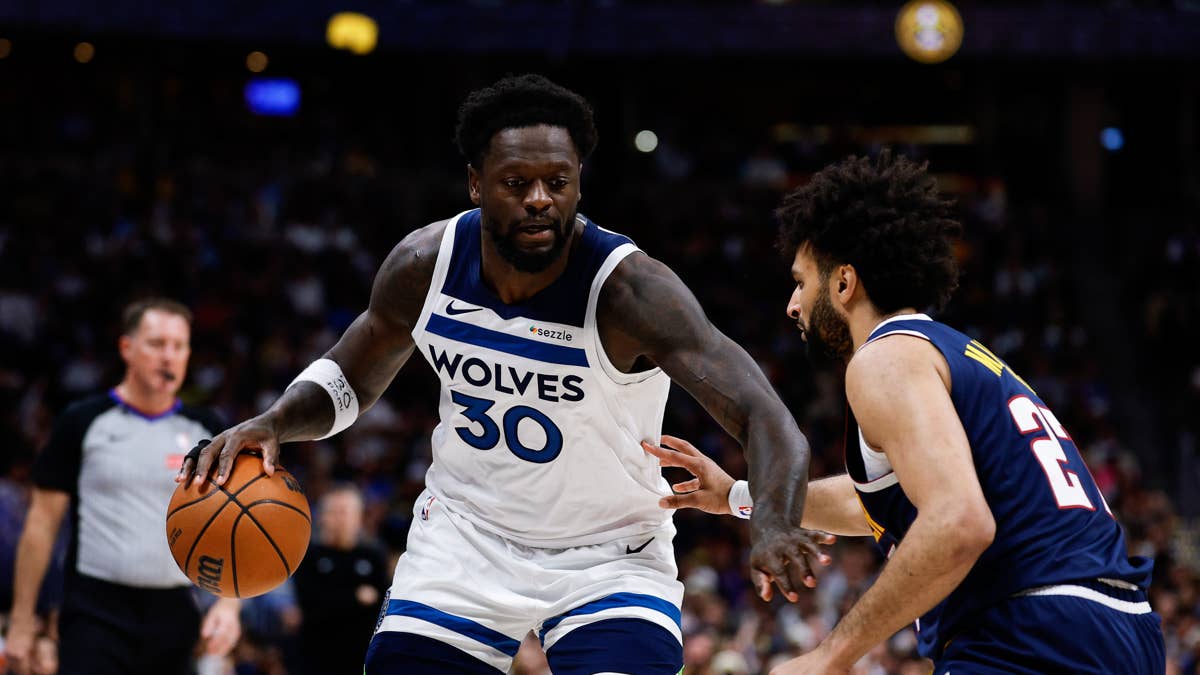
The NBA offseason just delivered its first jaw-dropper. The Minnesota Timberwolves have traded three-time All-Star Julius Randle to the Brooklyn Nets in a three-team deal that has fans across the league questioning the front office's strategy. According to ESPN insider Shams Charania, the Timberwolves will receive only the No. 33 overall pick in this year's draft, while sending Randle and the No. 28 pick to Brooklyn. The Chicago Bulls enter the mix by acquiring Nic Claxton from the Nets.
For a player who averaged 21.1 points and 6.7 rebounds per game last season, the return seems shockingly thin. Randle, 31, is under contract through the 2026-27 season with a base salary of $33.3 million and a player option worth $35.8 million the following year—a deal that many expected to carry significant trade value. Instead, Minnesota moved him primarily to clear cap space.
Charania explained the financial logic: "Timberwolves free up significant salary with the remaining two years of Randle's deal, giving them more flexibility to retain Ayo Dosunmu and use exceptions." The Nets, meanwhile, acquire a two-time All-NBA forward and a first-round pick into their cap space, while the Bulls use their cap room to land a talented athletic center at a position of need.
But fans aren't buying the explanation. Social media erupted with disbelief. "The Timberwolves gotta be getting SOMETHING else back," one fan wrote on X. Another asked, "So they got a worse pick back? What am I missing?" The sentiment was echoed widely: "Timberwolves gave up their first round pick just to get rid of Randle," declared another NBA follower.
The move raises immediate questions about Minnesota's direction. With Anthony Edwards emerging as a franchise cornerstone, the team needs to surround him with the right pieces to compete in the loaded Western Conference. General manager Matt Lloyd now has increased financial flexibility, but the pressure is on to make a splash. Rumors have swirled about a potential blockbuster involving Ja Morant, though no deal has been finalized.
While Randle's fit in Minnesota was sometimes questioned—his ball-dominant style occasionally clashed with Edwards—the trade still feels like a head-scratcher. The Timberwolves essentially downgraded their draft position by five spots while losing a proven scorer. It's a bet on cap space that could either unlock a bigger move or leave the team scrambling.
The Nets, meanwhile, add a veteran presence who can anchor their offense. Randle's ability to create his own shot and rebound at a high level gives Brooklyn a versatile weapon. The Bulls address a clear need in the frontcourt with Claxton, a defensive anchor who can protect the rim and finish lobs.
As the dust settles, all eyes are on Minnesota. The Timberwolves' next move will define whether this trade was a savvy salary dump or a costly misstep. For now, the NBA world is left wondering: what exactly are the Timberwolves planning? If recent blockbuster trade rumors involving other teams are any indication, the offseason is just getting started.
One thing is certain: Julius Randle will have a chance to revive his career in Brooklyn, while the Timberwolves face a critical juncture. The Western Conference is unforgiving, and Minnesota's window with Edwards won't stay open forever. Whether this gamble pays off or backfires spectacularly will be one of the defining storylines of the summer.