Longtime NBA reporter Ric Bucher is fed up with the way ESPN covers the WNBA, and he's not holding back. In a series of posts on X, Bucher accused the network and other WNBA media of being too protective of the league, creating what he calls a "girls club" that shields it from tough questions.
"Why is WNBA coverage so safe and monotone? Where's the diversity in analysis and debate? The league deserves critical discussion from varied voices, not just a 'girls club' protecting it from scrutiny. What are networks afraid of?" Bucher wrote, sparking a firestorm of reactions.
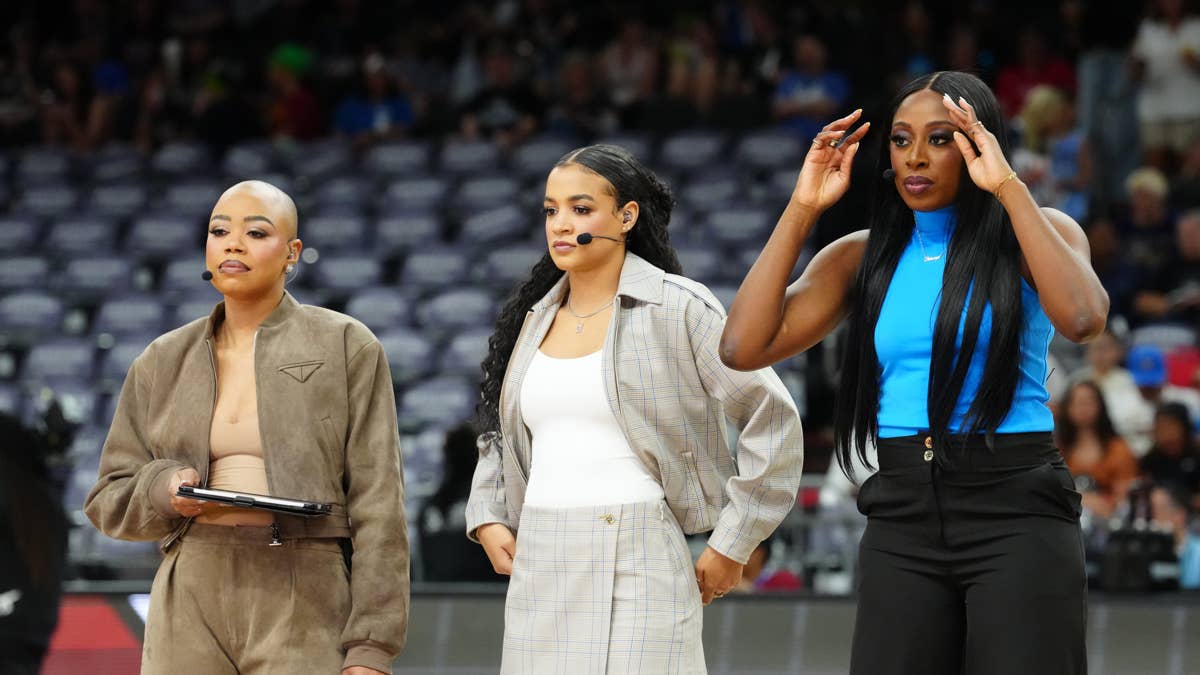
Bucher's critique comes on the heels of a particularly glaring example: during ESPN's halftime show on Sunday, analysts heaped praise on Angel Reese despite her shooting just 3-for-10 in the first half, while Caitlin Clark was clearly outplaying her. The segment was widely mocked on social media, with clips showing the crew "glazing" Reese instead of offering balanced analysis.
This isn't the first time Bucher has called out the state of sports media. He's known for his candid takes, and this one taps into a broader debate about whether WNBA coverage is too deferential. Some fans and commentators agree with him, arguing that the league needs more rigorous, independent journalism.
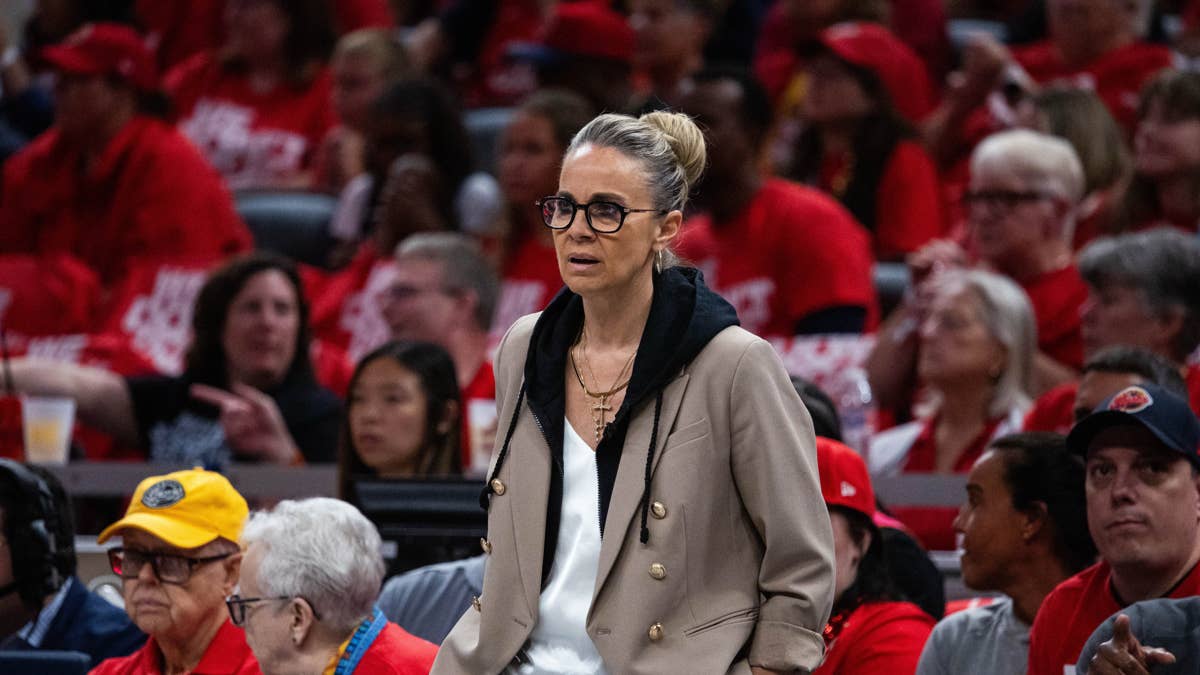
But not everyone is on board with Bucher's assessment. Indiana Fever head coach Stephanie White, clearly frustrated by the constant criticism, delivered a passionate defense of her team and the league during a press conference.
"This isn't necessarily for people that are in this room. This is more for an online community that is trying to create narratives that simply don't exist," White said. "Trying to create a fabrication or distortion of who I am and what I'm about. Our player's success, our player's health and wellness, our player's safety, is always a top priority for me."
White also addressed the recent controversial play involving Sophie Cunningham, emphasizing that she didn't see it in real time and that she always has her players' backs. "I take personally any suggestions that I don't 100-percent always have my players back. I ride with them 10 toes down all the time," she said.
Her remarks took on a broader tone as she called out the negativity surrounding the league. "The hate, the fear-mongering, the divisiveness, the stuff that's trying to hijack our league will not win. It won't win. We are united. We are connected. We will not be divided," White declared. "Every day these women put their ass on the line. When they go low, we go high. Love will win. Grace will win. Humility will win. And kindness will win. I stand by them. I will always stand by them."
The tension between critical coverage and protective advocacy is nothing new in sports media. Bucher's comments echo similar debates about NBC's handling of Bryson DeChambeau at The Open and FOX's praised World Cup coverage, showing that networks often walk a fine line between access and objectivity.
As the WNBA season heats up, the question remains: Can the league's media coverage evolve to embrace more critical voices, or will it continue to play it safe? For Bucher, the answer is clear—it's time for a change.