The streaming revolution in sports has its share of skeptics, but NASCAR is shifting into high gear with its partnership with Amazon Prime. Early returns from Year 2 of the deal show a sport that's not just keeping pace with the digital shift—it's pulling away.
According to Amazon, the five-race NASCAR Cup Series schedule on Prime Video averaged 2.29 million viewers in 2026, a 6% jump from the inaugural season. That's no small feat, especially considering three of those races faced rain-related broadcast disruptions. Even with those curveballs, Prime's numbers landed right in line with FS1's 2.30 million average for eight races. Fox, which airs the Daytona 500, still leads the pack with a 4.56 million average, but Prime is clearly holding its own.
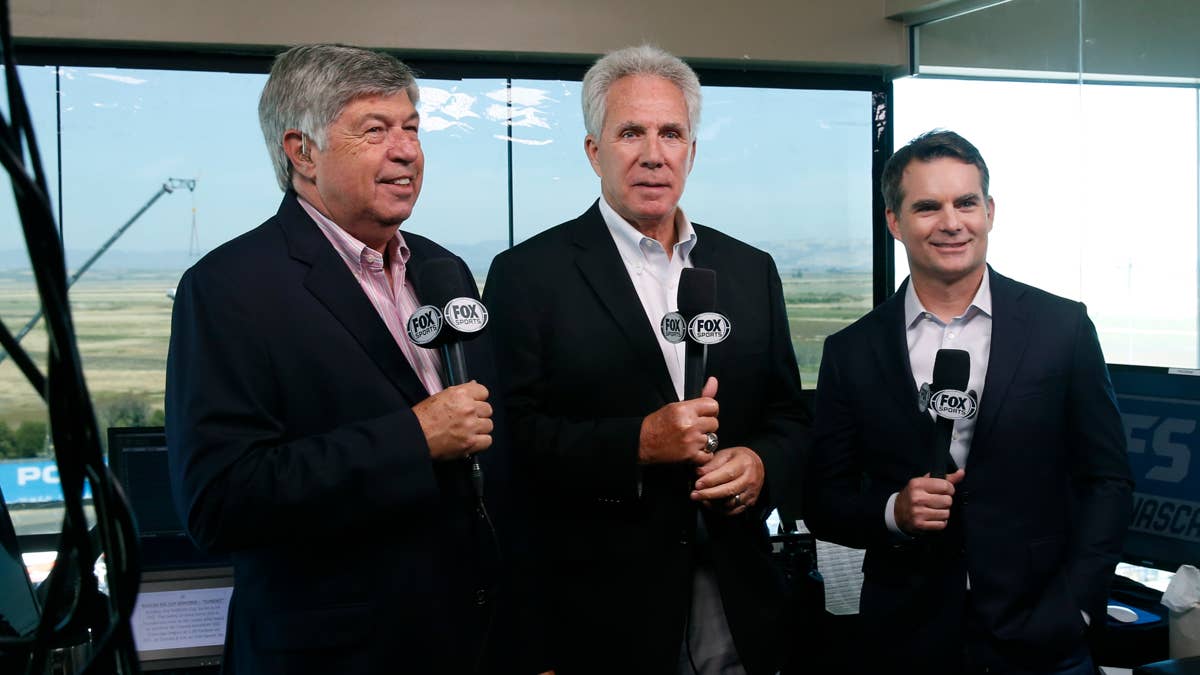
Perhaps the most encouraging stat for NASCAR is the median age of Prime viewers: 57.7—the youngest among all NASCAR broadcasters. That's a crucial metric for a sport looking to attract a new generation of fans. It suggests that the viral moments and fresh faces on streaming are resonating with a demographic that traditional TV struggles to reach.
Fans Are Tuning In—and Loving the Show
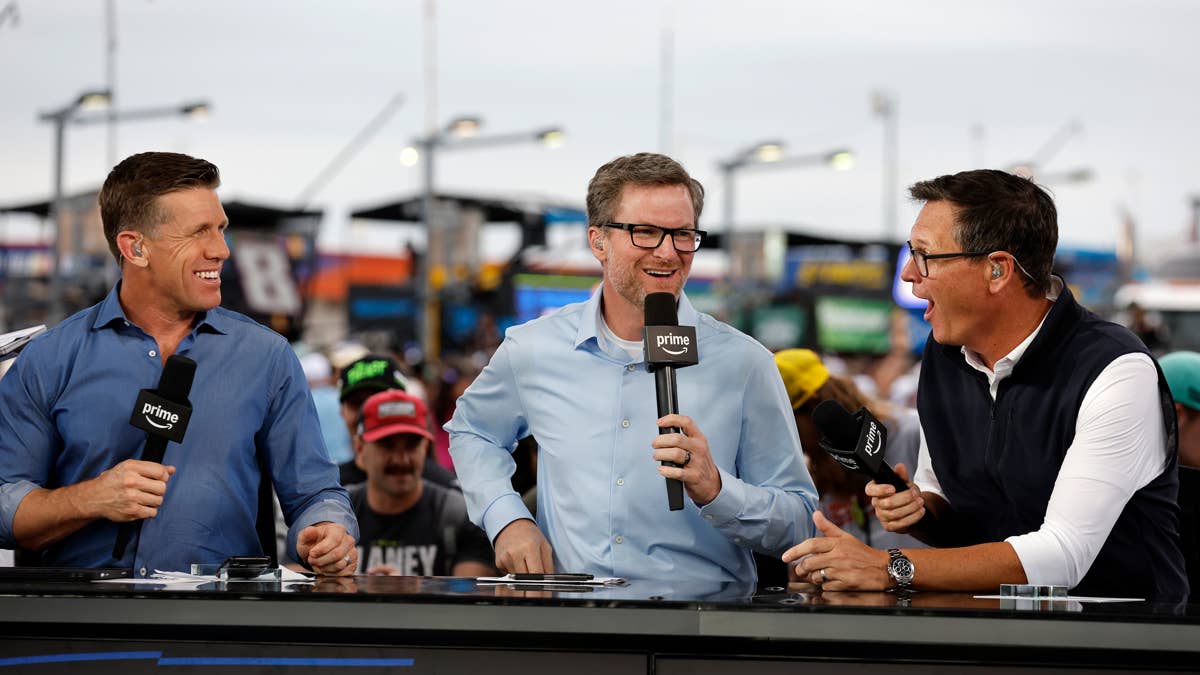
Beyond the raw numbers, the buzz around Prime's NASCAR coverage has been overwhelmingly positive. Fans have praised the broadcast quality and the chemistry of the announcing crew, which includes former driver Carl Edwards and veteran pit reporters. The seamless integration of Prime's tech-savvy production—think enhanced graphics and minimal commercial interruptions—has made the viewing experience a hit.
That goodwill matters in an era where every sport is fighting for eyeballs. The NFL airs games on Netflix, Amazon, and Peacock; MLB has Sunday games on Peacock; and the NBA is increasingly leaning into streaming for both regular-season and playoff action. NASCAR's move to Prime was a bet that fans would follow the action to a new platform. So far, they've shown up.
Why This Matters for NASCAR's Future
The ratings uptick isn't just a win for Amazon—it's a validation of NASCAR's broader strategy to meet fans where they are. Streaming offers flexibility, on-demand access, and a younger audience that traditional cable can't guarantee. As veteran drivers like Kurt Busch have noted, the sport's evolution depends on embracing new platforms without losing its core identity.
Of course, not everyone is on board with the streaming shift. Some purists miss the simplicity of flipping on a local affiliate. But the data suggests that the trade-off is worth it. With Prime delivering a median age nearly a decade younger than Fox's audience, NASCAR is planting seeds for long-term growth.
The partnership is still in its early stages—Year 2 of a multiyear deal—but the trajectory is clear. If Prime can continue to improve its production and draw new fans, this could become a blueprint for other sports weighing the streaming leap. For now, NASCAR can celebrate a victory lap: its Prime move is paying dividends, and the checkered flag is still a long way off.