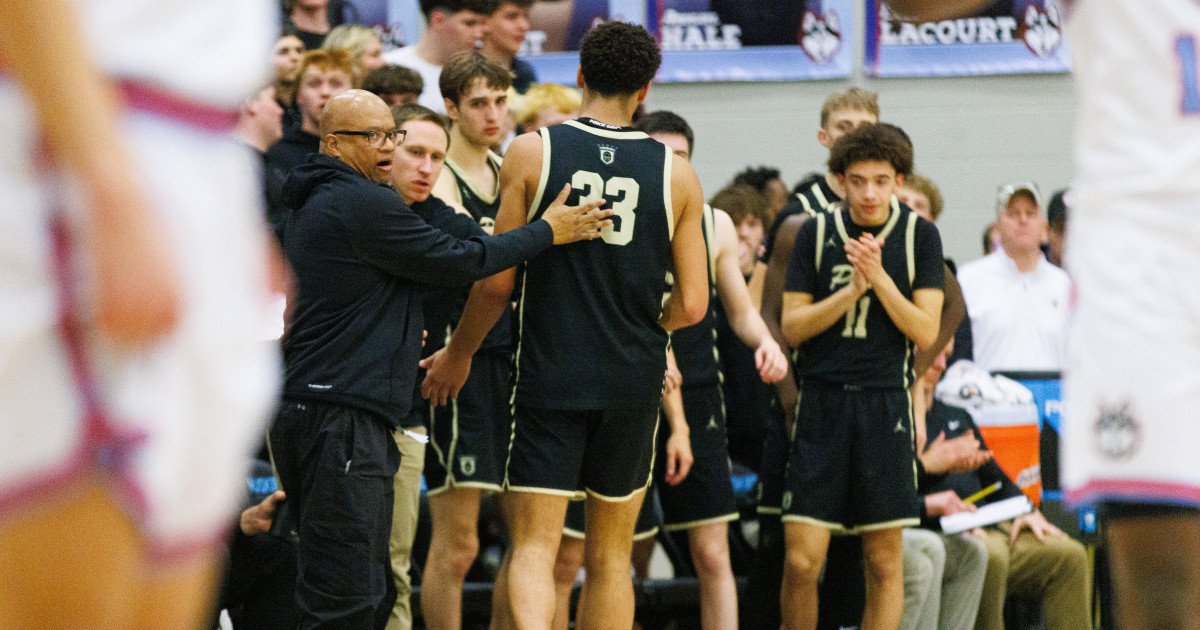
A high school basketball broadcast has sparked outrage and a forceful call for change after a student announcer allegedly used racist language and sounds targeting a Black player. The incident, which occurred during a game between Penn High School and Riley High School on March 6, has drawn a sharp response from the South Bend chapter of the NAACP, which is demanding concrete action and policy reform.
According to reports, the student broadcaster was heard making monkey noises and uttering racial slurs as Riley High School's Kelin Webster stepped to the free-throw line. The offensive commentary was reportedly captured on the livestream, with another broadcaster on the feed even heard criticizing the derogatory language in real-time.
Beyond an Apology: A Call for Systemic Change
The NAACP made it clear that a simple apology is insufficient. In a press release, the organization outlined specific demands, including that the student responsible write a research paper examining the profound harm caused by racist language. This move signals a push for educational consequences that foster understanding, rather than purely punitive measures.
More significantly, the civil rights group is targeting what it sees as a systemic failure. After reviewing Penn High School's student handbook, the NAACP found a glaring omission: no clear policy explicitly banning derogatory language. "We believe this omission should be addressed through appropriate revisions to the policy," the organization stated, highlighting a critical gap that allows such behavior to occur without defined repercussions.
Community and School Response
In their statement, the NAACP framed the incident as a symptom of unfinished work. "The use of hateful, racist language by a student in a public broadcast demonstrates that there is still important work to be done to protect the dignity and worth of every human being," the release read. The group called for "reflection and accountability" and welcomed continued dialogue with community leaders.
Penn High School principal Rachel Fry has acknowledged the seriousness of the situation, stating the school is investigating and will respond accordingly. The community now awaits the outcome of that investigation to see if the school's actions will align with the NAACP's call for substantive change.
This incident is a stark reminder that the world of sports, even at the high school level, is not immune to the societal issues we face. It echoes other moments where the sports community has had to confront unacceptable behavior, much like the ugly on-court melee that injured a referee in women's college basketball, showing how competition can sometimes boil over into something darker.
The demand for policy revision also connects to broader conversations about conduct and accountability in sports institutions. Just as teams and leagues continually update rules to reflect evolving standards, educational institutions must ensure their codes of conduct explicitly protect students from all forms of hate speech.
As the college basketball world reflects on the legacy of its great voices, this incident underscores the responsibility that comes with holding a microphone. A broadcaster's role, even a student's, carries the power to uplift or to harm, making this a teachable moment far beyond the basketball court.
The NAACP's firm stance sets the stage for a resolution that could influence how schools nationwide address hate speech. The outcome will be closely watched, as it tests a community's commitment to turning a moment of shame into a foundation for lasting dignity and respect.