Just when the ACC clash between North Carolina and Clemson had reached peak intensity, Mother Nature decided to crash the party. With the Tar Heels knocking on the door in the red zone and a one-score lead on the line, officials halted play due to lightning in the area—putting the game on ice at a critical moment.
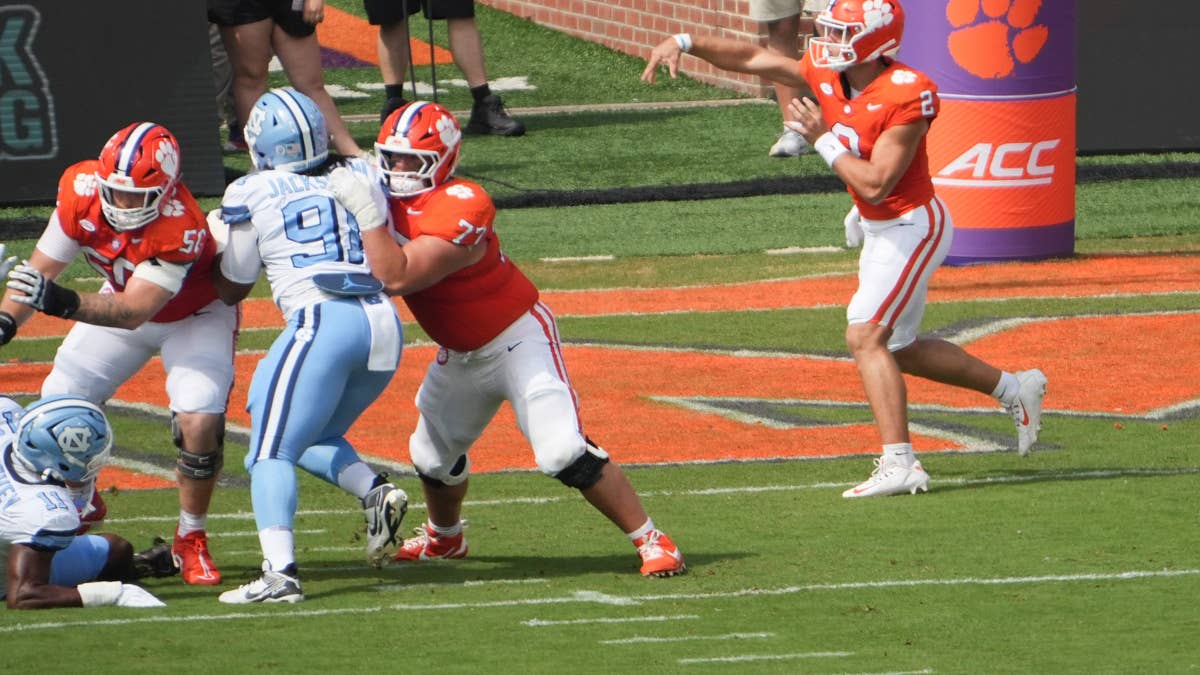
The Tar Heels came out firing in the first half, building a 17-6 cushion behind quarterback Billy Edwards Jr. and running back Benjamin Hall. Edwards was sharp through the air, and Hall pounded the Clemson defense on the ground, giving UNC a commanding lead at the break. The home crowd at Memorial Stadium made their feelings known, booing the Tigers off the field after a lackluster opening 30 minutes.

But Dabo Swinney, a coach known for his halftime adjustments, found a way to spark his team in the third quarter. Freshman signal-caller Tait Reynolds provided the jolt, making plays with both his arm and his legs. His heroics pulled Clemson within a single point at 17-15, setting up a tense final frame.
With 8:11 left in the fourth quarter, North Carolina was driving, looking to put the game out of reach. They had second-and-goal from the Clemson red zone when the officials suddenly stopped the action. The reason? Lightning had been detected within eight miles of the stadium, triggering the NCAA's severe weather protocol.
Swinney, visibly frustrated, watched as the game was pulled from his team's grasp. Clemson's official account posted a warning urging fans to seek shelter, directing them to the concourse, their vehicles, or designated safe zones like Fike Recreation Center and Littlejohn Coliseum. The delay left everyone—players, coaches, and fans—in a state of limbo.
Under NCAA rules, the clock resets every time lightning strikes within the eight-mile radius, meaning the resumption time is anyone's guess. The 30-minute countdown starts fresh after each strike, so a single bolt could push the restart further and further away. It's a waiting game now, and no one knows when these two teams will take the field again.
This isn't the first time weather has thrown a wrench into a high-stakes matchup this season. Just recently, a similar storm delay disrupted Oregon's game against Oklahoma State, proving that lightning delays are becoming a recurring theme in college football.
For Clemson, the delay is especially agonizing. They had all the momentum, and a potential game-winning drive was within reach. The Tigers have been under fire all season, with fans already calling for Swinney's job after earlier losses. A loss here would only intensify that pressure, and the extended pause gives everyone time to stew.
North Carolina, on the other hand, is hoping the break doesn't cool off their red-zone efficiency. They've controlled the game for stretches, and a touchdown here would put them up by two scores with little time left. But the longer the delay, the more the rhythm of the game is disrupted.
As the skies remain uncertain, all either team can do is wait. Will the lightning pass, or will this game be suspended indefinitely? The answer lies with the weather gods, and for now, the ACC showdown remains in a holding pattern.