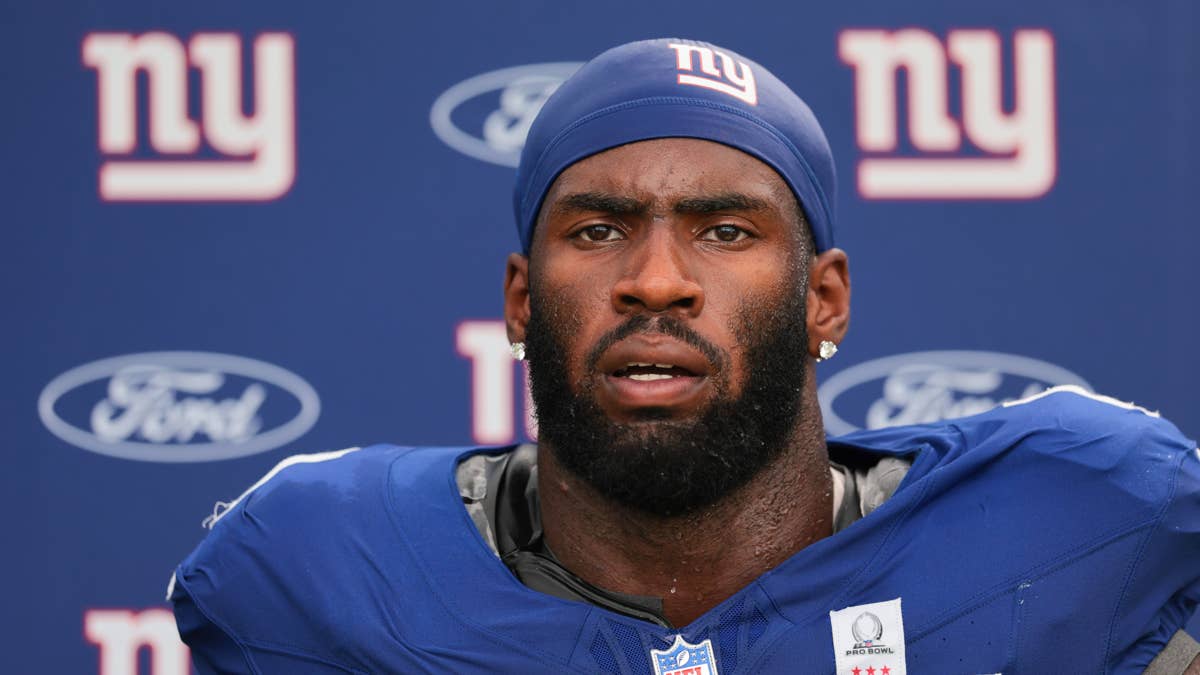
In a major courtroom defeat for a football icon, a federal judge has emphatically dismissed a $25 million lawsuit filed by former New York Jets star Mark Gastineau against ESPN. The legal battle stemmed from Gastineau's portrayal in the network's "30 for 30" documentary, The New York Sack Exchange, with the judge ruling that the defensive end's own signed consent forms ultimately sealed the fate of his case.
The Core of the Controversy
The documentary celebrated the legendary Jets defensive line of the early 1980s—Gastineau, Joe Klecko, Marty Lyons, and Abdul Salaam—that terrorized quarterbacks and captivated fans. However, the film also delved into the complex and often troubled post-career life of Gastineau, including a heated confrontation with Hall of Fame quarterback Brett Favre. Gastineau alleged that ESPN selectively edited footage of this incident to cast him in an unfairly negative light, damaging his reputation.

"While the film celebrated the Sack Exchange's on-field dominance, it didn't shy away from the personal fractures that developed," the ruling noted, highlighting the documentary's dual narrative of triumph and turmoil.
The Judge's Decisive Ruling
U.S. District Judge Paul A. Engelmayer dismissed the lawsuit with prejudice, meaning Gastineau cannot refile the same claims, though an appeal remains possible. The central pillar of the decision was Gastineau's prior consent. Judge Engelmayer stated that by granting ESPN permission to use his name, image, and likeness in the production, Gastineau forfeited the right to later object to the editorial framing of events deemed newsworthy.
"The exchange concerned a venerated NFL record and featured nationally recognized football stars," Engelmayer wrote, affirming the incident's relevance to the story. This ruling underscores the legal weight of release forms in documentary filmmaking, a point that resonates beyond sports. Similar debates over portrayal and consent occasionally surface elsewhere, like in the recent reveal of Tiger Woods' personal letters in a new biography.
A Legacy of Greatness and Struggle
Mark Gastineau's on-field credentials are undeniable. A five-time Pro Bowler and the 1984 UPI NFL Defensive Player of the Year, he once held the single-season sack record with 22.0. Alongside Klecko, Lyons, and Salaam, he helped propel the Jets to the AFC Championship Game in 1982, ending a long playoff drought for the franchise.
Yet, the documentary illustrated how his life veered off course after football, touching on personal health battles and the infamous rift with Favre over Michael Strahan's record-breaking sack in 2001. The film's exploration of such struggles is part of a broader trend in sports media that examines the full arc of an athlete's life, much like discussions around the NFL's financial recognition of veteran players.
What This Means for Sports Media
This legal victory for ESPN reinforces the protections afforded to journalists and filmmakers when subjects have consented to participate. It draws a clear line: signing a release is a significant legal step. For fans, it means the complex, sometimes unflattering stories of sports legends will likely continue to be told, as they fall under protected news reporting.
The case also highlights the enduring tension between an athlete's public legacy and their private narrative. While Gastineau's supporters may feel the portrayal was harsh, the court found the presentation was within bounds. This careful balance between celebration and scrutiny is a hallmark of modern sports storytelling, whether covering current college athletes navigating social media or revisiting the legends of past eras.
For now, the legal chapter is closed, leaving the legacy of the New York Sack Exchange—both its glorious sacks and its human complexities—firmly in the realm of public record and sports history.