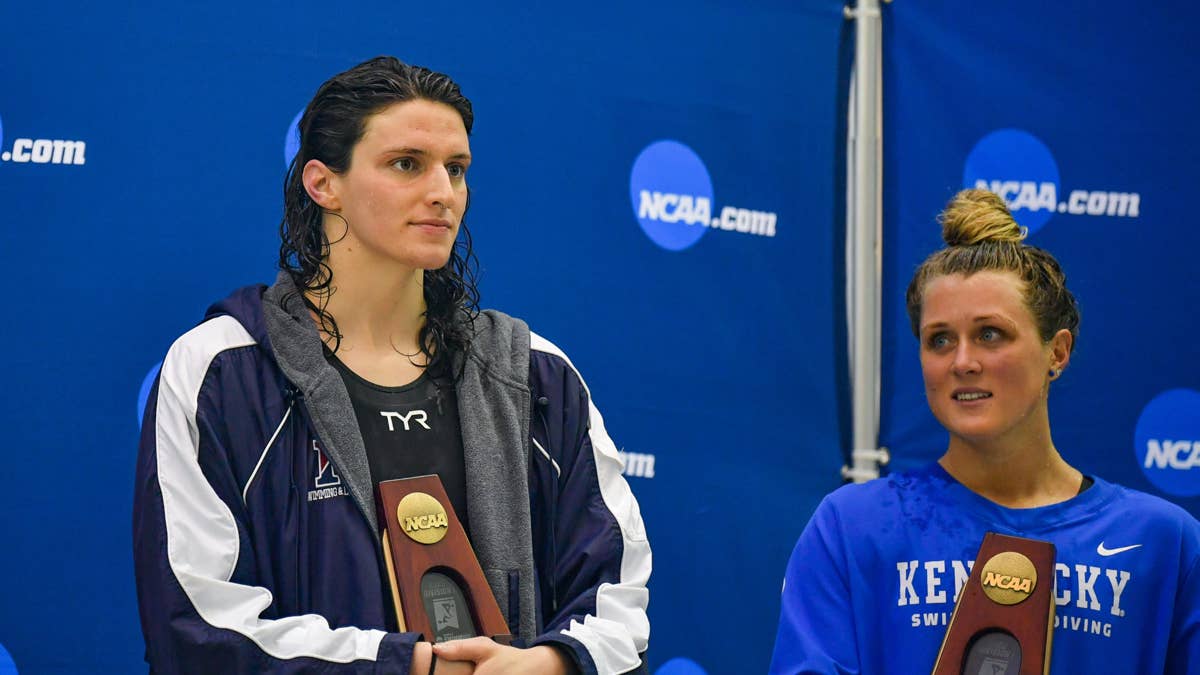
The legal battle between former University of Kentucky swimmer Riley Gaines and the NCAA just hit a major roadblock. A federal judge has tossed out Gaines' Title IX lawsuit, which challenged the NCAA's policies allowing transgender athletes to compete in women's events and use women's locker rooms. But Gaines and her supporters are far from finished.
U.S. District Judge Tiffany R. Johnson, nominated by former President Joe Biden in 2024, granted the NCAA's motion for summary judgment on the remaining Title IX claims. The judge's ruling centered on a key legal question: whether the NCAA qualifies as a recipient of federal financial assistance under Title IX. Johnson concluded that the evidence didn't establish that, effectively ending the case in federal court.

The lawsuit, filed in 2024, stemmed from Gaines' direct competition against former Penn swimmer Lia Thomas at the NCAA Championships. Gaines and other athletes argued that the NCAA's policies violated their rights under Title IX by allowing transgender athletes to compete in women's categories. The case drew national attention, spotlighting the ongoing debate over fairness and inclusion in sports.
Gaines, along with the Independent Council on Women's Sports (ICONS), is already planning an appeal. In a statement, Gaines remained defiant: "This momentary setback will not deter me or other women athletes in the least. Rest assured, we will be appealing this decision. We are on the side of truth. I am confident Americans will rally to our side to fight the NCAA."
ICONS co-founder Kim Jones echoed that resolve, emphasizing that the fight is far from over. "We will not give up our fight for women and girls' rights in sports," Jones said. "ICONS will support an appeal by Riley Gaines, Brooke Slusser, Kylee Alons, Reka Gyorgy, Kaitlynn Wheeler, Grace Countie, Ainsley Erzen, Lily Mullens and the many other young women who depended on the NCAA to protect their equal opportunities but were let down by the NCAA."
Judge Johnson's ruling also addressed arguments that the NCAA indirectly received federal funds. The judge noted that the NCAA and the Defense Department maintained separate funding streams for research, with money going to Indiana University and other research participants rather than directly to the NCAA. Johnson also rejected claims that the NCAA controlled entities receiving federal funds or became a recipient through reimbursements for employee travel expenses.
Interestingly, the NCAA has already moved on from the policy in question. In 2025, following an executive order from President Trump, the NCAA changed its policies on transgender athletes. That shift doesn't erase the legal questions raised by Gaines' case, though, and the appeal could have broader implications for how Title IX applies to sports governing bodies.
For now, the ruling is a win for the NCAA, but the saga is far from over. As the appeal moves forward, the case will likely keep fueling conversations about the future of college athletics and the legal boundaries of Title IX. Gaines and her allies are banking on public support to keep the momentum alive, and with the issue still simmering in the national spotlight, this story is far from its final chapter.