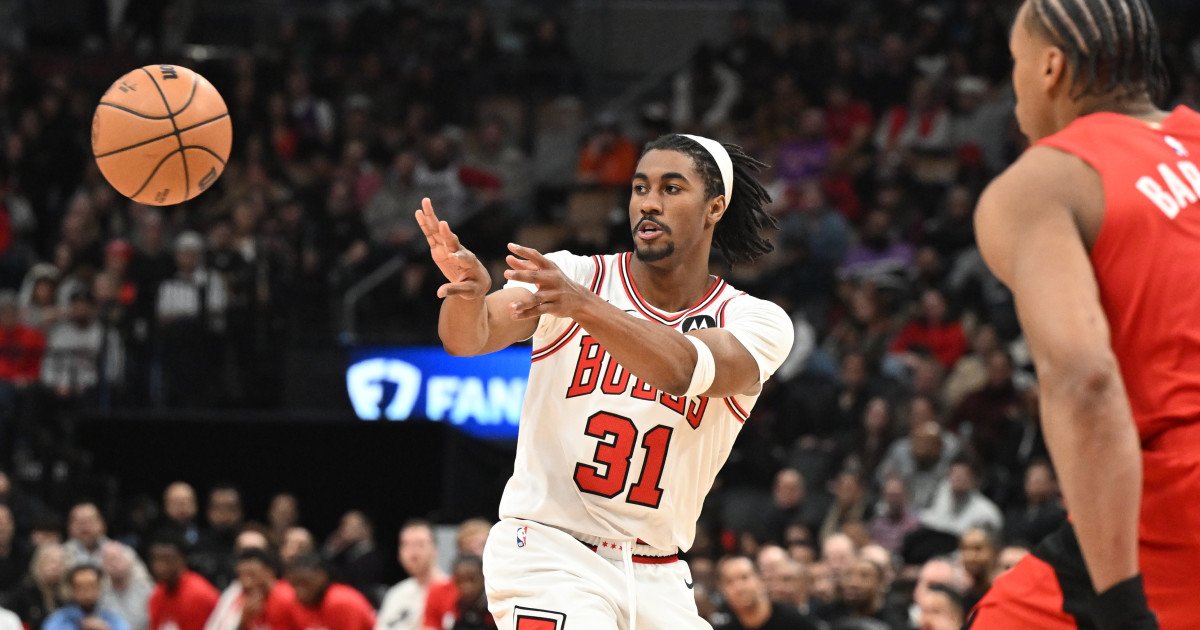
In a stunningly personal and defiant interview, former Chicago Bulls guard Jaden Ivey has pulled back the curtain on his mental health struggles and the controversial beliefs that he says cost him his NBA roster spot. The revelation goes far beyond typical sports discourse, touching on life, faith, and professional consequences.
A Battle Off the Court
Speaking on the PinPoint Podcast, Ivey disclosed that he has faced severe mental health challenges, coming perilously close to suicide on multiple occasions. He described one harrowing moment where he held a lethal dose of pills, only to be pulled back by the intervention of his wife and, as he sees it, divine grace. "I've almost committed suicide multiple times, and I'm not ashamed to say it," Ivey stated. "I'm not ashamed because God was merciful to keep me here." He credited his wife's desperate pleas—"Don't do this. Don't go down this road"—as a pivotal turning point.
The Controversy That Changed His Career
Ivey then connected these deeply personal struggles directly to his professional downfall. He doubled down on the comments that went viral and ultimately led to his release from the Bulls: his firm opposition to the NBA's Pride Night celebrations. Framing it as a matter of religious conviction, Ivey made his stance unequivocal. "In terms of LGBTQ, I'm not against the man or the woman. I'm against what is contrary to the word of God," he declared. He cited specific biblical passages to justify his position, adding a defiant, "I have a mouth to speak. No one can stop me!"
He left no doubt about why he believes the Bulls waived him. "I didn't do it by God's grace," he said of his decision not to take his own life, framing his entire current situation—his release and his public platform—as part of a larger spiritual journey. For Ivey, his faith is now his non-negotiable priority, even above his basketball career. "As long as I'm doing the will of God, abiding in Jesus Christ, that's what matters," he asserted.
What's Next for Ivey?
The interview raises significant questions about Ivey's future in professional basketball. While his talent is undeniable, his explicit connection between his release and his unpopular public stance on a league-supported initiative may make teams wary. However, as seen with other athletes who take strong personal stands, there is often a media landscape ready to provide a platform, potentially outside the traditional sports arena.
This kind of raw, career-defining admission is rare in sports. It echoes the shocking candor of figures like Max Verstappen, who recently questioned his future in Formula 1, or the blunt assessments sometimes heard in college sports, similar to recent comments about Duke's leadership. It's a reminder that the pressures athletes face extend far beyond the court or field.
Ivey's story is ultimately one of extreme personal conviction colliding with the modern realities of professional sports. He has chosen to frame his career setback not as a failure, but as a necessary sacrifice for his beliefs. Whether this path leads him back to the NBA or onto a different stage entirely remains to be seen, but his voice is now part of a much larger conversation about faith, identity, and sport.