The NBA Finals have been nothing short of electric, but the scenes outside Madison Square Garden after Game 3 have left a sour taste. As the San Antonio Spurs took a commanding lead, tensions boiled over, leading to arrests and a city on edge. While many pointed fingers at Victor Wembanyama’s dominant performance or even a certain presidential visit, one ESPN analyst has a different theory: the rise of sports gambling is pouring gasoline on the fire.
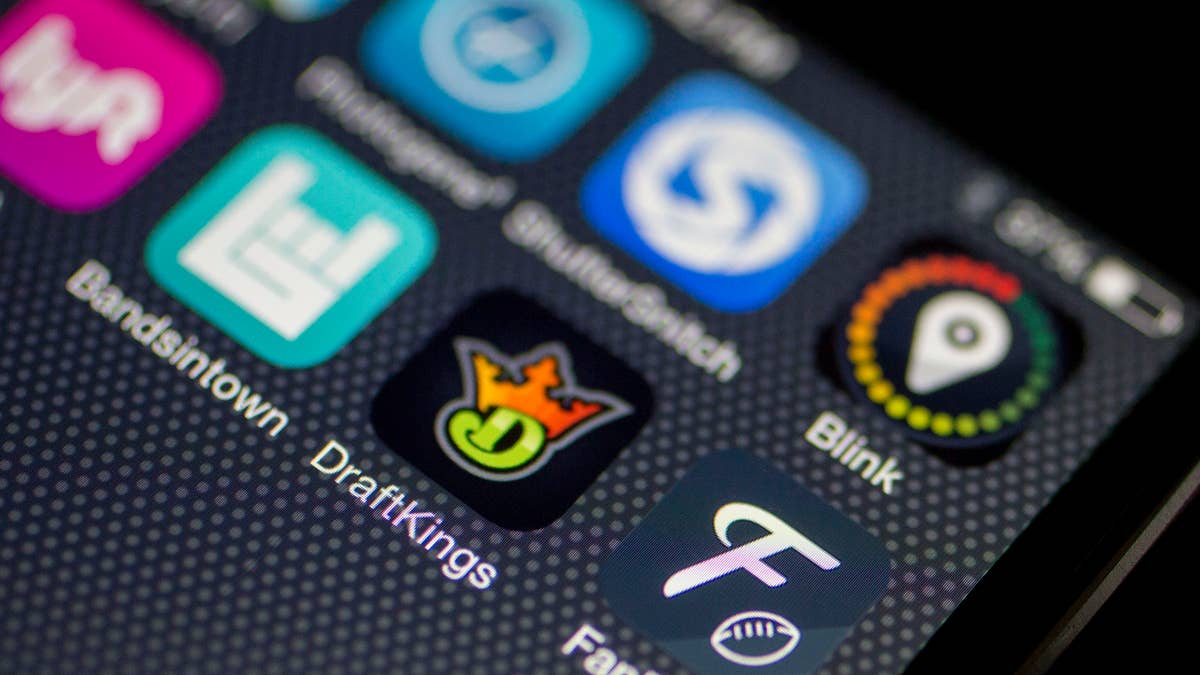
On First Take, a show presented by DraftKings Sports, Kendrick Perkins didn’t hold back. He argued that the explosion of legal betting has fundamentally changed how fans experience the game—and not for the better. “Sports will never be the same,” Perkins said. “What’s the biggest thing evolving in sports right now? Gambling. Everybody and their mama, their aunties, their great-grandmothers—everybody places a bet. Emotions are high.”
Perkins went further, suggesting that losing a wager can push a fan over the edge. “People are going to be raging. Not just because their team lost, but because they probably bet their house on it. It’s a real thing. People want to run from the conversation, but sports betting isn’t going anywhere.” His comments come amid a broader debate about the dark side of the betting boom, which has been linked to everything from increased aggression to financial ruin.
Not everyone is buying Perkins’ theory. Fans on social media were quick to push back, noting that rowdy behavior at sporting events is hardly new. “Maybe it’s not the betting, but rather the $10,000 for tickets that causes the tension to be higher?” one user mused. Another pointed out, “NY fans (not all) have been like that before betting was legal.” A third fan reminded everyone of Philadelphia’s infamous court inside their stadium from 1997 to 2003—a testament to long-standing fan misconduct.
Still, a significant portion of the audience agreed that gambling has amplified the problem. “He’s right. Sports betting has been a huge negative in society,” one comment read. Another supporter said, “Perk says a lot of dumb things, but he’s right here. People get mad over games they wouldn’t even watch if they didn’t bet.” The debate highlights a growing concern as legal sports betting becomes more accessible across the country.
New York City officials are taking notice. The NYC mayor has already warned Knicks fans to stop the violence or face serious consequences. Meanwhile, the league is grappling with how to manage fan behavior in an era where emotions—and stakes—are higher than ever.
Of course, other factors were at play during Game 3. Wembanyama’s 32-point masterpiece sealed the win, and the presence of former President Donald Trump drew thunderous boos from the MSG crowd, adding to the charged atmosphere. But Perkins insists that the gambling element can’t be ignored.
As the Finals continue, the conversation around sports betting and fan violence is unlikely to fade. Whether you blame the bookies or the boisterous fans, one thing is clear: the stakes have never been higher—both on the court and off it.