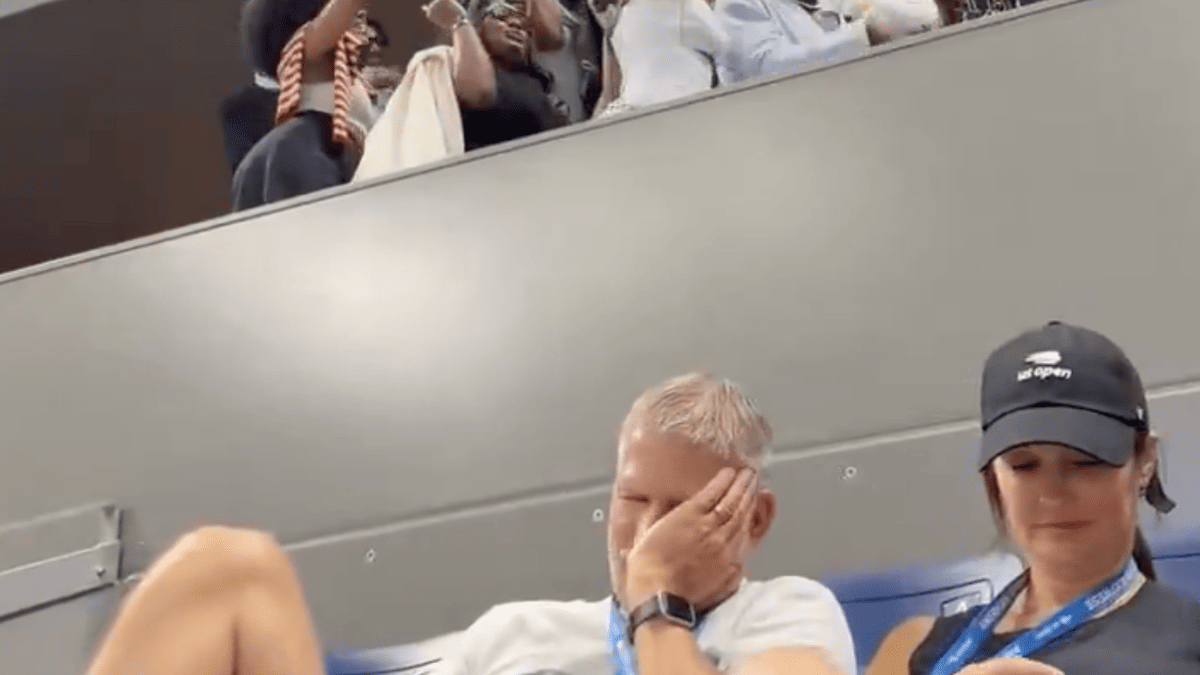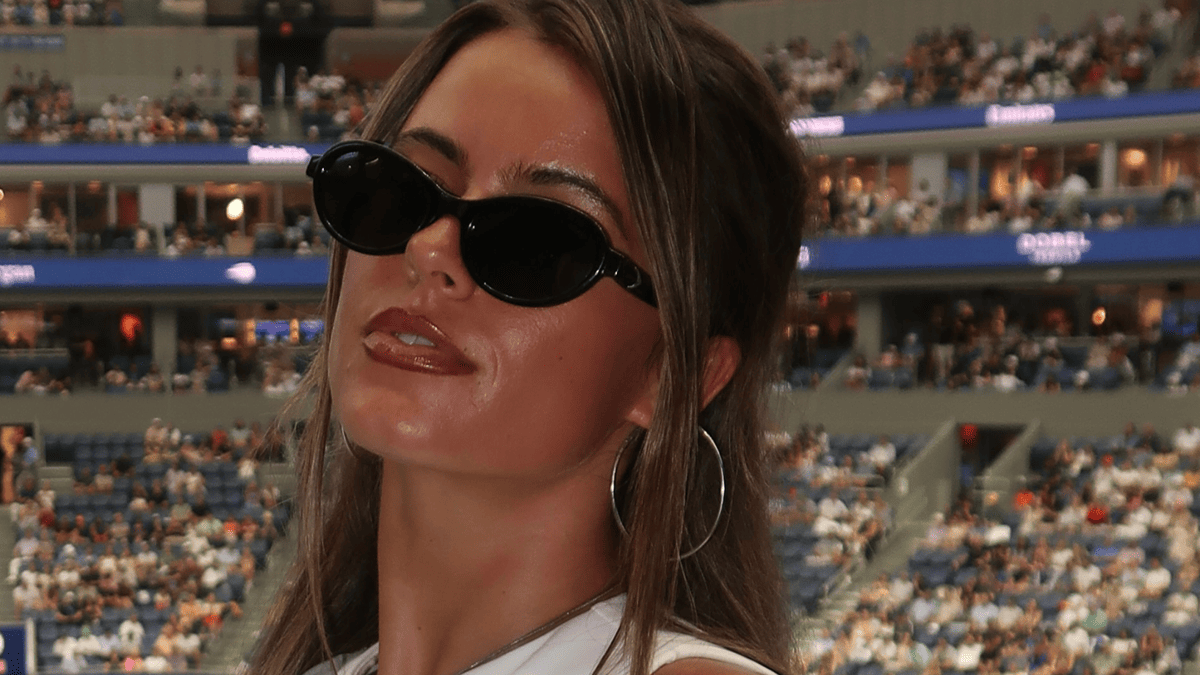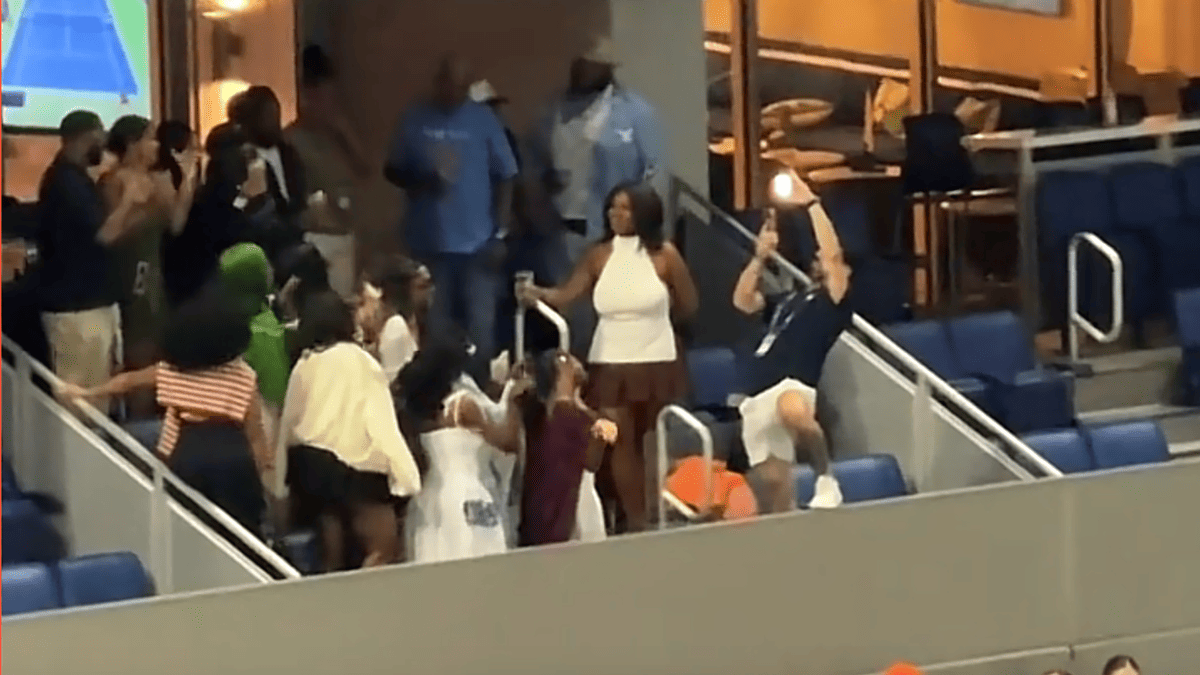
The 2026 US Open has barely begun, but the tournament is already facing a wave of backlash—not for the tennis, but for the behavior of a group of influencers who turned a night session into their personal photo shoot.
On Monday night, Naomi Osaka opened her campaign with a commanding first-round victory over Anastasia Zakharova at Arthur Ashe Stadium. Osaka turned heads with her Allen Iverson-inspired look, complete with cornrows and a headband, paying homage to the NBA legend. “It’s my, I guess, my tribute to Iverson. I really like him a lot,” Osaka said. “I mean, Nike said basketball, so I said, ‘OK, you want basketball, I’ll give you basketball.'”
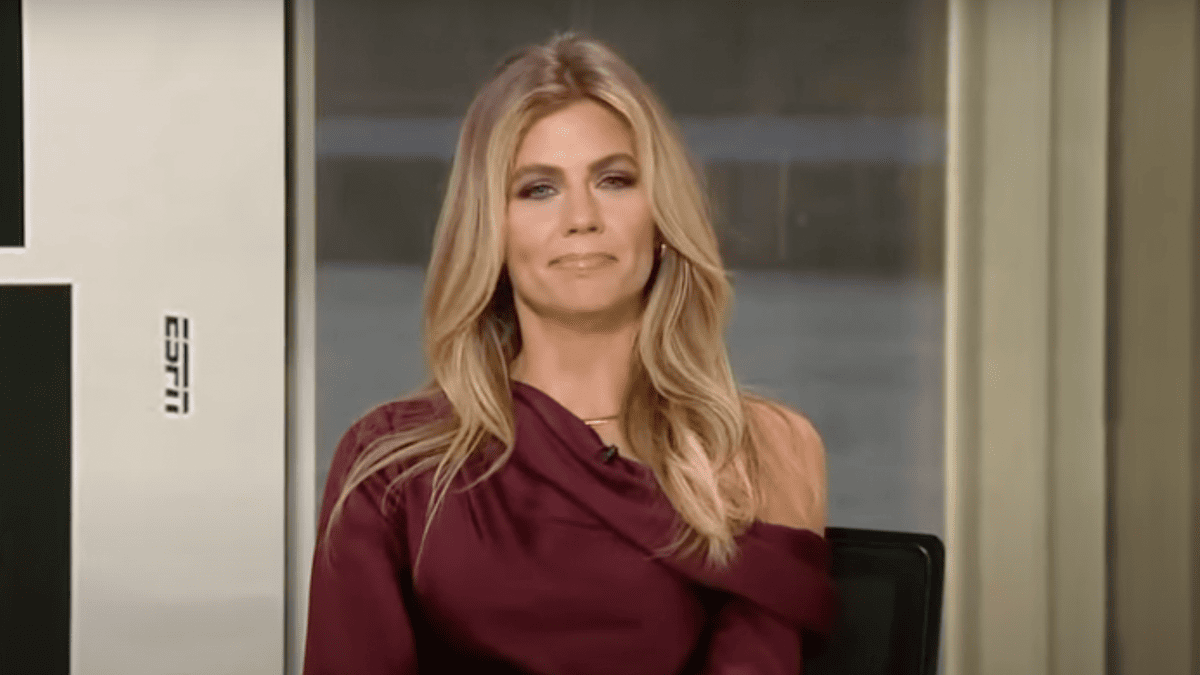
While Osaka’s tribute was a hit with the crowd, the atmosphere was soured by a group of influencers in a suite who couldn’t seem to put their phones down. According to multiple reports, these creators used a ring light during the match, repeatedly disrupting fans who were trying to enjoy the action.
The backlash was swift and fierce on social media. “I hate how influencers r taking over tennis they probs don’t even care about the sport,” one fan wrote on X. A TikTok user who attended the match echoed the sentiment: “I just went yesterday and yes, this year was so bad. People laughing and talking having very loud conversations during a serve!!!! Like why are you here if you’re not even going to watch the match?” Another fan declared, “Tennis has become a joke with all these influencers getting freebies who don’t even know the players names.”
The US Open has actively courted this crowd. According to Front Office Sports, the USTA nearly doubled its creator credential program this year, granting close to 100 creators access before qualifying week. The organization also employs about two dozen creators to produce content for the tournament’s official channels, focusing as much on the social scene, food, and merchandise as on the on-court play.
But critics argue that this strategy is alienating the sport’s most dedicated fans. The influx of influencers has led to a noticeable decline in match etiquette, with some spectators treating the event like a networking opportunity rather than a sporting contest.
This isn’t the first time the tournament has faced such criticism. Earlier this year, the US Open was already under fire for being overrun by influencers, and the problem appears to be worsening. The USTA’s decision to expand the program suggests they see value in the exposure, but for many fans, the trade-off isn’t worth it.
The issue extends beyond tennis. Across sports, venues are grappling with how to balance entertainment and authenticity. From fans being called out for classless signs to controversial fan contests, the line between genuine fandom and content creation is blurring.
For now, Osaka’s victory stands as the headline, but the conversation around influencer culture at the US Open is far from over. As one fan put it, “Why are you here if you’re not even going to watch the match?”