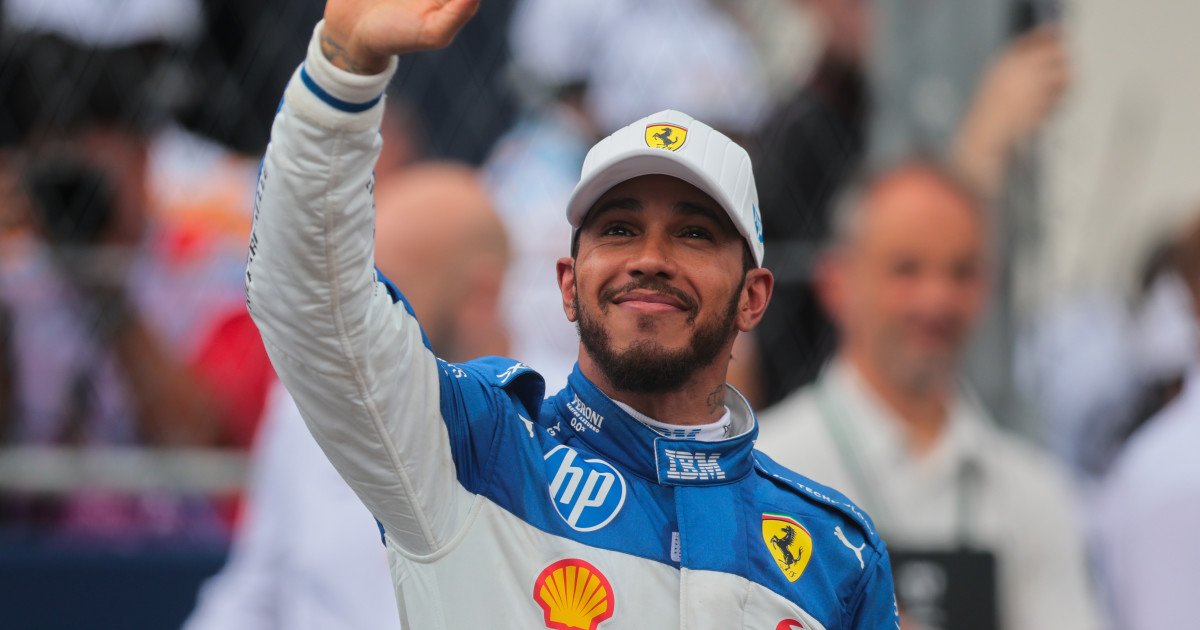
Lewis Hamilton isn't just racing for podiums anymore. The seven-time world champion, now donning the iconic red of Ferrari, has set a powerful new condition for his eventual retirement from Formula 1. At 41, Hamilton is looking beyond championships, declaring he will not step away from the sport until he helps bring a Grand Prix back to the African continent.
A Personal Pledge with Global Ambition
In a revealing interview ahead of the Australian Grand Prix, Hamilton made his stance crystal clear. "I refuse to leave the sport without having a Grand Prix there, without getting to race there," he stated emphatically. This isn't a casual wish; it's a driving force. "So I'm going to be here for a while until that happens," he added, signaling his commitment could extend his legendary career for years to come.

For Hamilton, this mission is deeply personal. "I'm half African," he explained, expressing immense pride in his heritage, which includes roots in Togo and Benin. He describes Africa as "the most beautiful part of the world," and his desire for a race is intertwined with a much larger vision for the continent's future and autonomy.
More Than a Race: A Call for Unity and Reclamation
Hamilton's push for an African Grand Prix transcends sport. He framed it as part of a crucial movement for Africans to reclaim their culture and heritage. He voiced strong criticism of historical and ongoing external control. "I don't like that the rest of the world owns so much of it and takes so much from it and no one speaks about it," Hamilton said.
His hope is for unity and self-determination. "I'm really hoping that the people that are running those different countries all unite and come together and take Africa back," he urged. "Take it back from the French, take it back from the Spanish, take it back from the Portuguese and the British." Hamilton believes the continent, rich in resources, has the potential to be "the greatest and most powerful place in the world," and sees a Formula One race as a symbol of its rising stature on the global stage.
A 30-Year Absence and Growing Momentum
The challenge is significant. Formula 1 has not held a race on the African continent since the 1993 South African Grand Prix. Before that, only Morocco, in 1958, had hosted a World Championship event. This three-decade absence is a gap Hamilton is determined to help fill.
Fortunately for the British driver, momentum is building. Reports indicate serious efforts from several African nations to secure a spot on the F1 calendar. Countries like South Africa, Nigeria, and Rwanda are actively pursuing bids, suggesting Hamilton's dream may be closer to reality than many think. The sport's commercial rights holders have also expressed a desire to return to the continent, aligning with its global expansion strategy.
This pledge adds a fascinating new chapter to Hamilton's storied career. As he begins a new era with Ferrari, he carries not just the hopes of the Tifosi, but also a self-imposed mandate to champion an entire continent's place in the pinnacle of motorsport. His future in the cockpit is now explicitly tied to a legacy project far bigger than any single race win.