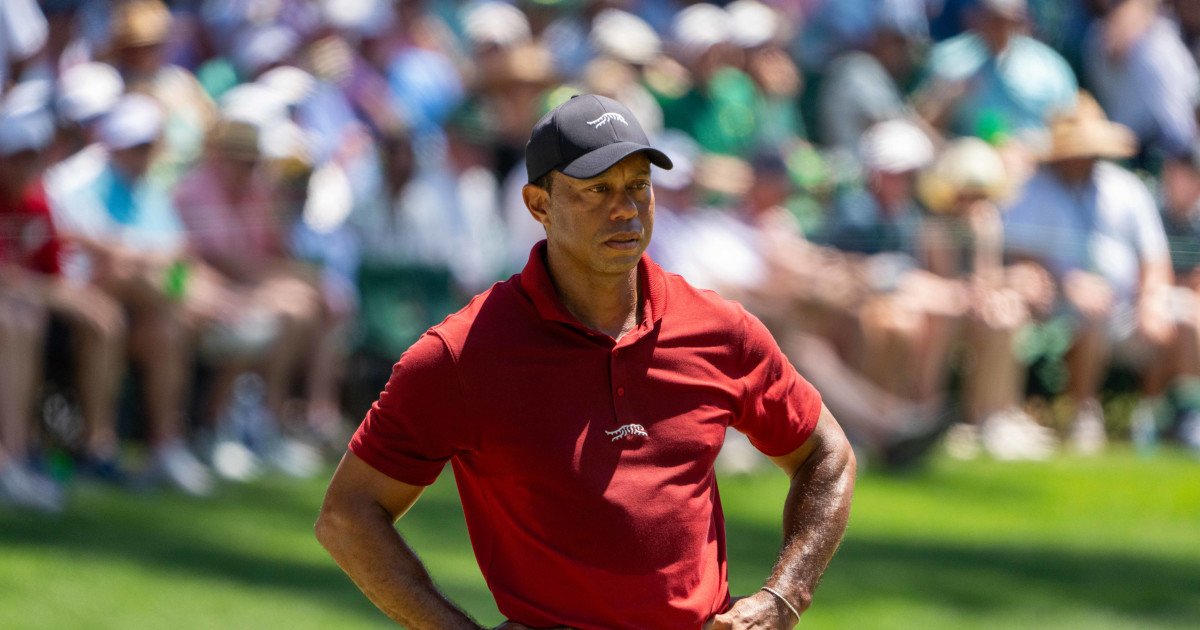
A simmering debate about how the golf world covers its biggest star has erupted into open conflict, with members of the media firing back at critics who accuse them of giving Tiger Woods a free pass. The controversy comes just as Woods himself announced he is "stepping away for a period of time to seek treatment and focus on my health," a move that has rallied fans behind the golf icon's personal journey.
The Core of the Controversy
At the heart of the dispute is a long-standing, often unspoken media principle: Tiger Woods is golf's most valuable asset. For decades, his dominance on the course drove ratings, sponsorship, and fan interest to unprecedented levels. According to a recent analysis from sports media blog Awful Announcing, this reality has led much of the golf media ecosystem—from digital upstarts to traditional broadcast giants—to organize their coverage around protecting that asset.
"The assumption has operated quietly for years, rarely articulated and never seriously challenged," wrote Sam Neumann for Awful Announcing. He argues that while Woods' value to the sport is undeniable, the idea that this value grants him immunity from tough scrutiny is a flawed corollary that has gone largely unchecked.
Media Members Push Back
Not all in the press box are accepting this critique. The pushback has been swift and pointed from several prominent voices. Mark Harris of Outkick called the characterization "lazy," suggesting it unfairly broad-brushes the entire golf media. Veteran golf writer Kevin Van Valkenburg acknowledged a nuanced discussion could be had but dismissed the current criticism as a "lazy effort."
The sentiment from some quarters is one of loyalty and practicality. "You don't bite the hand that's been feeding you for almost 30 years," one commentator noted, highlighting the complex relationship between a sport, its transcendent star, and the journalists who cover them. Others defended a measured approach, advocating for patience and facts over speculation, especially in sensitive personal matters. This stance echoes the more empathetic tone taken by some, like in Van Pelt's raw, emotional plea for Tiger Woods, which focused on the person behind the legend.
Tiger's Statement Changes the Conversation
The theoretical debate was suddenly grounded in stark reality with Woods' personal announcement. The 15-time major champion posted a sober statement to his social media, acknowledging the seriousness of his situation. "I am stepping away for a period of time to seek treatment and focus on my health," Woods stated. "This is necessary in order for me to prioritize my well-being and work toward lasting recovery."
He concluded by asking for privacy for himself and his family, a request that often tests the boundaries of journalistic pursuit. This development shifts the discussion from abstract media ethics to the concrete challenges of covering a beloved figure in crisis, a scenario also explored in coverage of the root causes of Tiger Woods' recent struggles.
A History of Absorbing Scrutiny
Critics of the golf media's approach point to a pattern where Woods' controversies—from personal scandals to legal issues—are often folded into a larger, more forgiving narrative about comebacks and personal demons. This, they argue, prevents a clear-eyed assessment of his actions and the media's role in holding powerful figures accountable. The tension isn't new; it recalls the polarized reactions to televised defenses of Tiger Woods that have sparked outrage in the past.
Yet, defenders counter that Woods' unparalleled impact on the game he revived earns him a different level of consideration, and that responsible journalism sometimes means showing restraint before all facts are known.
An Unresolved Tension
As Woods begins his period away from the spotlight, the argument over how to cover him rages on. It's a clash between the perceived duty to report without fear or favor and a deep-seated, perhaps pragmatic, inclination to safeguard the sport's central figure. The question remains: Is the golf press doing its job, or is it, as some allege, stuck in a decades-long pattern of soft coverage? With Woods facing personal challenges, as seen during his indefinite leave following a DUI arrest, the stakes for getting that balance right have never been higher. The industry's response to this latest chapter will be its most telling defense—or indictment—yet.