Sports fans and athletes across the heartland need to keep one eye on the sky tonight. The National Weather Service has issued a stark warning for two distinct regions of the United States, where a potent mix of severe thunderstorms could put a damper on evening games and outdoor plans. This isn't just a passing shower—forecasters are talking about a significant weather event packing a serious punch.
Double Trouble: Two Regions on High Alert
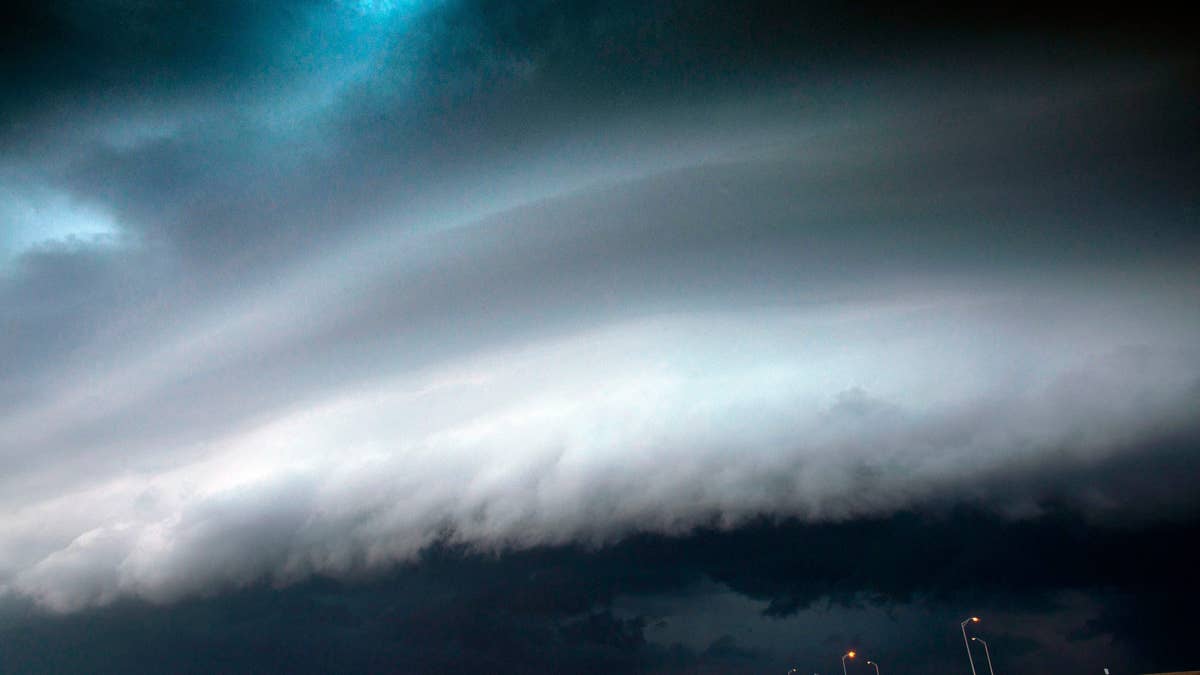
The main areas of concern are the Upper Mississippi Valley and Great Lakes region, along with the southern Plains. For the Upper Midwest, the threat is particularly high, with the potential for "large to very large hail, damaging wind, and tornadoes" developing late this afternoon and continuing into the overnight hours. This kind of forecast puts any outdoor sporting event, from high school baseball to community soccer leagues, in serious jeopardy.

Meanwhile, the southern Plains faces a more isolated, but still dangerous, risk for severe storms during the same timeframe. This follows a pattern of disruptive weather, similar to recent events where a Double Trouble system threatened Sunday night sports nationwide. The timing couldn't be worse for fans hoping to catch evening games under open skies.
What Makes These Storms So Dangerous?
This isn't your average thunderstorm. The NWS is warning of a full suite of hazardous conditions: torrential downpours that can flood fields in minutes, lightning strikes that pose a lethal risk to anyone outdoors, and wind gusts powerful enough to topple temporary structures and signage. The mention of "very large hail" is especially concerning—imagine baseball-sized ice stones pelting players, spectators, and vehicles in parking lots.
The tornado risk in the Upper Midwest adds another layer of urgency. Unlike the more predictable flooding threats seen in other regions, tornadoes can form with little warning, forcing rapid evacuations from stadiums and sports complexes. Event organizers in these areas should have their severe weather protocols ready to activate at a moment's notice.
Game Day Safety: A Fan's Guide to Weathering the Storm
If you have tickets to a game or plans for outdoor recreation tonight, preparedness is key. First and foremost, stay weather ready. Download a reliable weather app or keep a NOAA Weather Radio handy. Don't rely solely on stadium announcements; severe weather can outpace official warnings.
Your Action Plan Based on Location:
- At the Stadium or Field: If a severe thunderstorm warning is issued, listen to venue staff immediately. Move away from open concourses, bleachers, and light poles. Seek shelter in designated, enclosed areas—avoid large open spaces like gymnasiums or auditoriums where wind can cause structural issues.
- Tailgating or Outdoor Events: The party must pause. Go inside a sturdy building immediately. Your tent, pop-up canopy, or vehicle is not safe shelter. Most importantly, never stand under a tree. This is a leading cause of lightning-related fatalities and falling limbs or trees pose a massive risk.
- On the Road to the Game: If you're caught driving, it's safer to be in a vehicle than outside, but it's not ideal. If you have sufficient time, carefully drive to the closest secure shelter. If the storm hits while you're driving, pull over safely, turn on your hazard lights, and avoid touching metal surfaces inside the car.
This situation mirrors other recent weather disruptions that have impacted the sports calendar, such as when the Texas sports schedule faced a severe weather threat. The key difference tonight is the breadth of the threat, spanning from the Plains to the Great Lakes.
Looking Ahead: A Pattern of Disruption?
This severe weather alert continues a turbulent spring pattern that has repeatedly put sports in the crosshairs. From Friday night fury across six states to widespread Sunday threats, organizers and fans are becoming all too familiar with last-minute postponements and safety scrambles. It serves as a critical reminder for all sports entities to review and rehearse their severe weather emergency plans before the season kicks into high gear.
Tonight, the final score for many communities may not be found on a leaderboard, but in how safely they navigate this dangerous weather. Keep your devices charged, know your shelter locations, and be ready to act quickly. The most important win of the night will be everyone getting home safely.