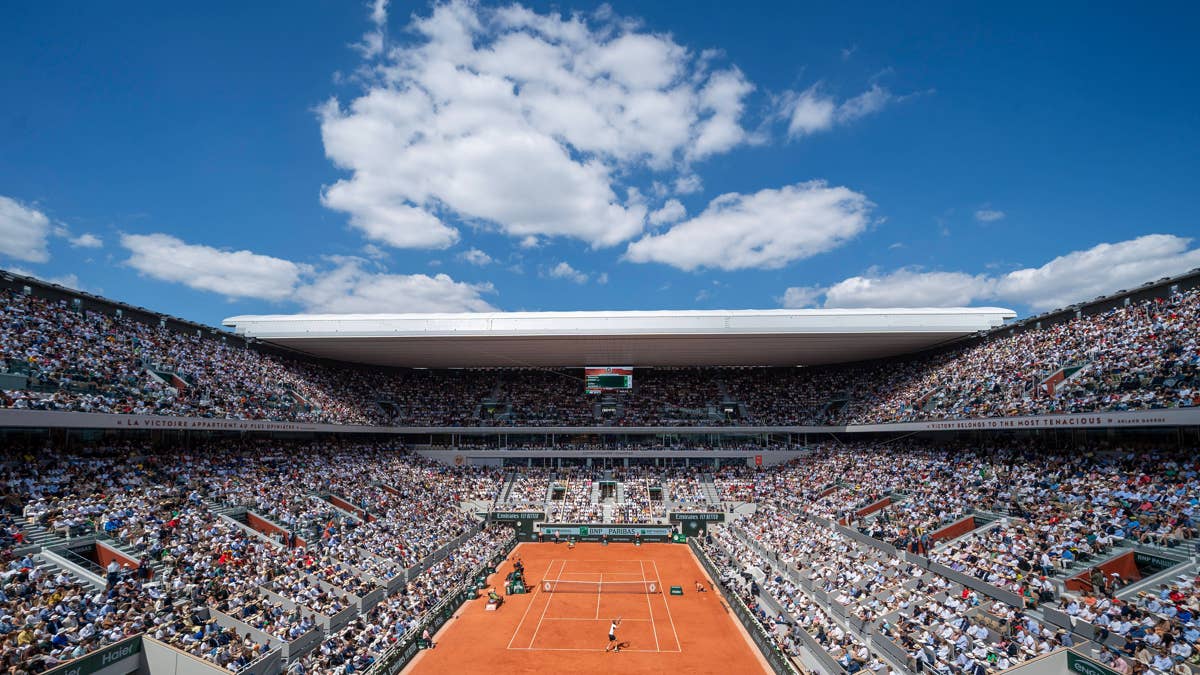
In a move that signals a significant shift in sports broadcasting philosophy, the French Open is putting player privacy front and center. Tournament director Amélie Mauresmo has announced sweeping changes for the 2026 event, vowing to eliminate backstage cameras and establish camera-free zones throughout the Parisian stadium. This decision comes as a direct response to growing player concerns about the constant surveillance that follows their most vulnerable moments.
The Catalyst: A Viral Racket Smash
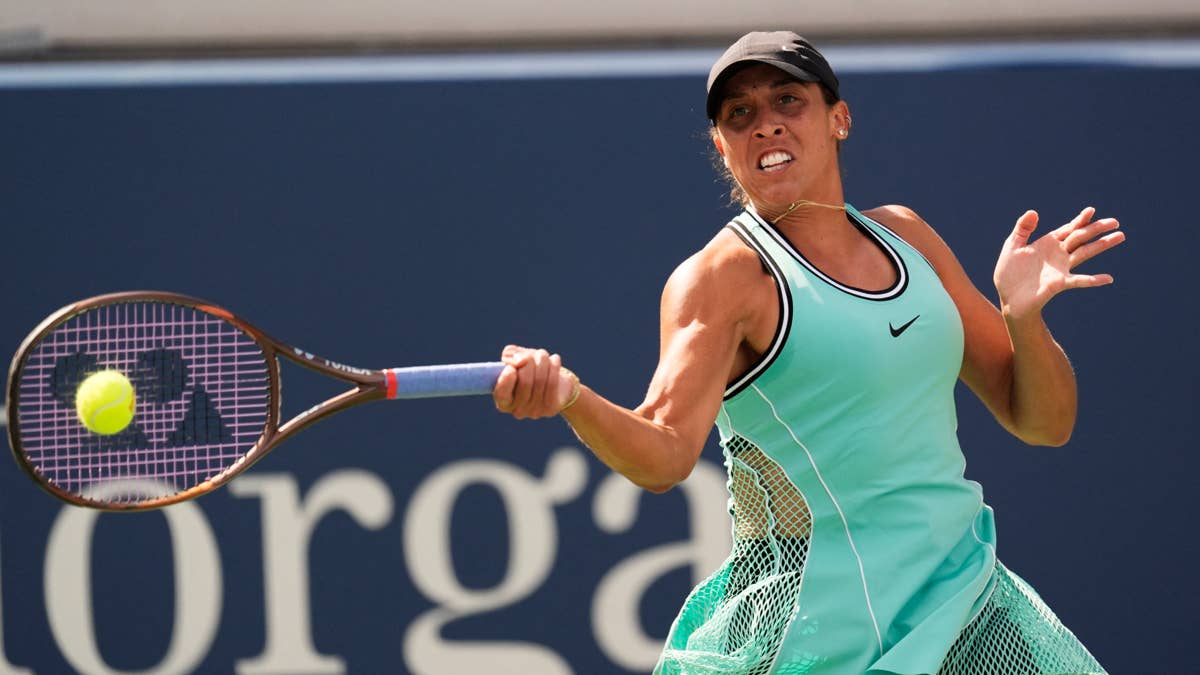
The policy shift traces back to a tense moment at the Australian Open last January. After a quarterfinal loss to Elina Svitolina, American star Coco Gauff sought a private corner to vent her frustration, smashing her racket. Unbeknownst to her, a broadcast camera captured the raw emotion, and the footage quickly spread across the internet. In the aftermath, Gauff voiced her frustration to reporters, highlighting a critical gap in athlete protection. "I tried to go somewhere where there wasn't a camera," Gauff explained, adding that she felt such intensely personal reactions shouldn't be broadcast. "Maybe some conversations can be had because I feel like at this tournament, the only private place we have is the locker room."
It appears the French Open was listening. Mauresmo's announcement makes Roland Garros the first Grand Slam to formally address this specific privacy concern. "We really want to maintain respect for the players' privacy," Mauresmo stated firmly. "It's something we will not change this year in terms of any cameras that we can add." This stance draws a clear line between public spectacle and private recovery, acknowledging that athletes need space to process the immense pressure of competition away from the lens.
Balancing Act: Privacy vs. Entertainment
The decision represents a complex balancing act for tournament organizers. In an era where behind-the-scenes access and viral moments drive engagement, choosing to pull cameras back is counterintuitive from a pure entertainment standpoint. Broadcasters often rely on these candid shots to build narrative and humanize athletes. However, the French Open is prioritizing athlete welfare and professional respect over the potential for fleeting viral content. This reflects a broader, ongoing conversation in sports about the boundaries of coverage, a topic that has surfaced in other arenas, from high-profile privacy crackdowns in golf to debates over access in team sports.
The new policy will fundamentally change the player experience at Roland Garros. Designated camera-free areas will provide sanctioned spaces where competitors can regroup, celebrate, or console themselves without fear of being filmed. This is particularly crucial in tennis, a brutally individual sport where players are alone on the court and often alone with their emotions immediately after a match ends. The move could help protect mental well-being and allow for more authentic emotional regulation, potentially impacting performance and career longevity positively.
A Precedent for Other Tournaments?
All eyes will now be on the other Grand Slams—Wimbledon, the US Open, and the Australian Open—to see if they follow suit. Gauff's incident was not isolated; she referenced a similar situation involving Aryna Sabalenka after the 2023 US Open final. The French Open's decisive action sets a new standard and puts pressure on other tournaments to reevaluate their own broadcast protocols. In a sport where the margins are razor-thin and the psychological battle is as intense as the physical one, providing a true sanctuary could become a key differentiator for player satisfaction.
This development also intersects with the practical challenges of the tournament itself. As players like Carlos Alcaraz battle injuries in their preparation, the overall environment and support system at the event becomes even more critical. Creating a less intrusive atmosphere may indirectly aid in player recovery and focus, contributing to the quality of tennis on display.
The initiative underscores a maturing perspective in sports media. While fans crave access, there is a growing recognition that athletes are not characters in a reality show but professionals undergoing extreme stress. The French Open's policy is a statement that respecting that profession includes guarding moments of raw humanity. It's a shift from exploitation to empowerment, allowing players to control their narrative off the court. This philosophy echoes in other sports landscapes where access is being renegotiated, much like the evolving dynamics between teams, media, and fans in the NFL.
As the clay-court season builds towards Paris, the 2026 French Open will now be watched not just for its champions, but for the implementation of this groundbreaking policy. It's a testament to the power of athlete advocacy and a reminder that even in the global spectacle of sports, a simple request for a moment of peace can lead to meaningful change. The tournament is betting that protecting its players will, in the long run, enhance the sport's integrity and appeal far more than any viral clip ever could.