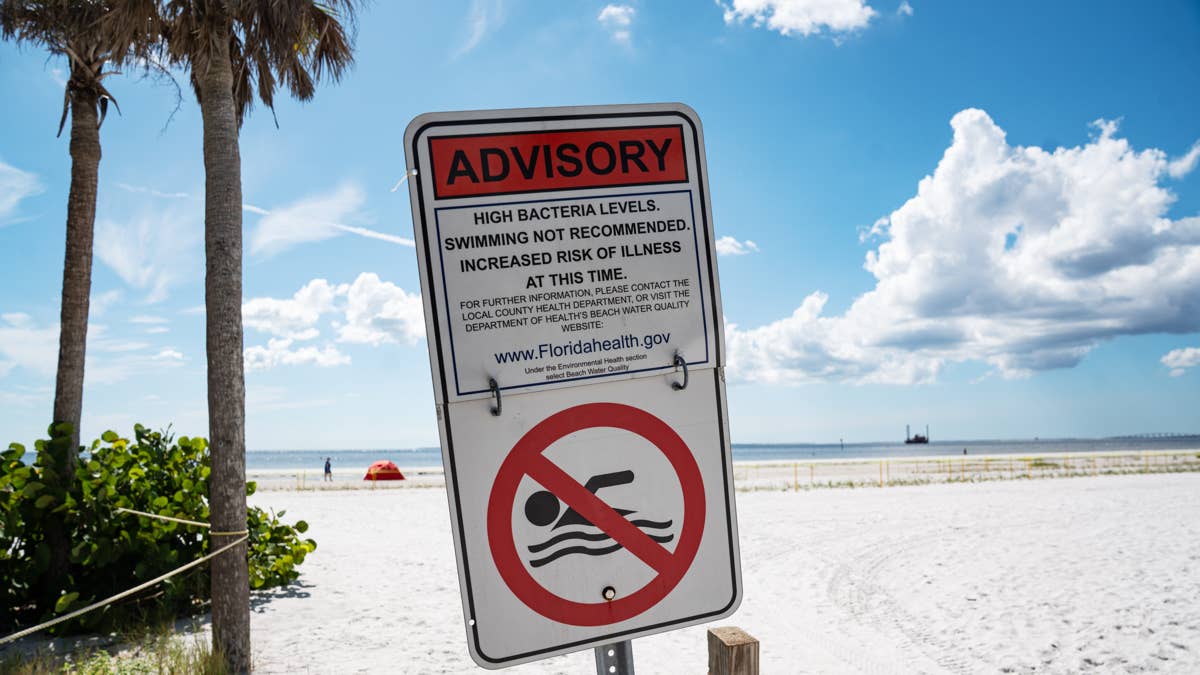
Louisiana's coastal waters are turning deadly. State health officials are sounding the alarm after a spike in infections from Vibrio vulnificus, a flesh-eating bacteria that thrives in warm seawater. So far this year, five people have died from the infection, and the numbers are well above the usual toll.
The Louisiana Department of Health (LDH) issued a press release this week, urging residents to "take precautions to prevent infection" from the bacterium. According to the LDH, nine cases of Vibrio vulnificus have been reported among state residents in 2026, with all nine requiring hospitalization. Tragically, five of those patients have died.

That's a sharp jump from the average. Over the past decade, Louisiana has typically seen about seven cases and one death per year from this bacterium. The LDH noted that all nine cases this year were linked to wounds exposed to seawater, and every patient had underlying health conditions.
"The Louisiana Department of Health (LDH) is urging residents to take precautions to prevent infection from Vibrio vulnificus, a bacterium found naturally in warm coastal waters," the department announced on Thursday. "So far in 2026, nine cases of Vibrio vulnificus have been reported among Louisiana residents. All nine patients were hospitalized, and five died. During the same period over the previous 10 years, Louisiana reported an average of seven cases and one death."
This is not just a Louisiana problem. The bacteria are also present in other Gulf states, and similar warnings have been issued in three other states ahead of the July Fourth holiday, when many people head to the beach. The danger is real, and health experts want everyone to be aware.
What makes Vibrio vulnificus so dangerous? It's a rare but potentially life-threatening bacterium found in warm coastal and brackish waters. The main risk comes from exposing an open wound to contaminated seawater or handling raw seafood. Symptoms of a wound infection can start with redness, swelling, and severe pain, then progress to blistering lesions, tissue death, and necrotizing fasciitis—the so-called flesh-eating disease.
The mortality rate is alarmingly high. The CDC estimates that about 1 in 5 people with a Vibrio vulnificus infection dies, and some patients can become critically ill within a day or two. For those who develop bloodstream infections, the fatality rate historically exceeds 50% in some studies. People with chronic liver disease, diabetes, alcoholism, cancer, or weakened immune systems are at particularly high risk.
Given the rapid progression, the CDC recommends seeking immediate medical attention if you develop symptoms after water exposure. The LDH has issued practical advice: stay out of brackish or salt water if you have any open wounds, cover all cuts with waterproof bandages, wash wounds thoroughly after water contact, cook seafood completely, and keep raw seafood separate from cooked food to avoid cross-contamination.
"Seek medical care immediately if a wound exposed to brackish or salt water becomes red, swollen, painful, warm, or discolored. Tell the health care provider about the water exposure," the LDH said.
As summer heats up and more people flock to the coast, this warning is a stark reminder that the ocean's beauty can hide serious dangers. Stay safe out there, and don't take chances with open wounds in seawater.