The fallout from the Dianna Russini scandal continues to reverberate through the sports media world, but this time the spotlight is on the reaction—not the actions. Female sports reporters and analysts are breaking their silence, claiming they're being unfairly targeted in the wake of Russini's resignation from The Athletic.
Russini, a prominent NFL insider, stepped down after photos surfaced of her at an adults-only resort with then-Titans coach Mike Vrabel. Both initially denied any wrongdoing, but as more images and videos emerged, the story exploded. Russini resigned, and Vrabel sought counseling during the NFL Draft. Now, as rumors swirl about a potential comeback for Russini, her colleagues are pushing back against the narrative that her mistake reflects on all women in the industry.
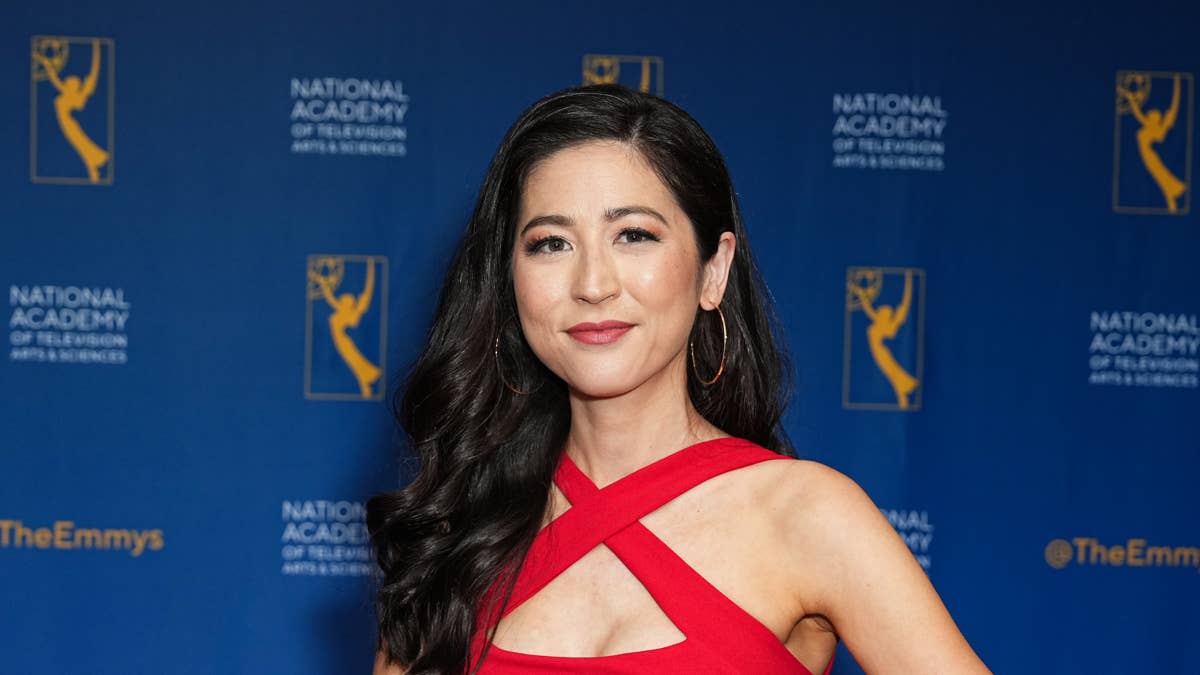
ESPN's Mina Kimes, who was close to Russini, appeared on The Sports Gossip Show this week alongside host Charlotte Wilder. Kimes didn't hold back, arguing that the intense scrutiny Russini faced is part of a larger pattern.
“I think it reflects sort of a broader thing that happens in any industry, which is when someone who’s not in the majority makes any sort of error, it becomes a referendum for their entire class,” Kimes said, as reported by Awful Announcing. “Giving license to male sports fans generally to speak about them a certain way, or to honestly talk about this story in a way that they don’t with other stories involving lapses in journalism.”
Kimes also dismissed the notion that the criticism was rooted in genuine concern for journalistic integrity. “It’s been interesting to watch on the Russini side of it, this massive conversation on the internet about, ‘This is a crime against journalism, and no one’s talking about it’ … it’s kind of hard to take those critiques in good faith when they’re clearly not coming from a place of, these aren’t people who actually care about journalism,” she said. “They’re not applying those standards to things that other insiders do, perhaps.”
Wilder echoed those sentiments, pointing out the double standard that women face. “It seems to me that to blame one woman for making a mistake and saying that she has screwed it up for everybody else, nobody does that for men,” she said. “I understand that it is different; she was in a very high-profile position, but it doesn’t sit right, I don’t think.”
Wilder believes the backlash gives cover to those who already harbor biases against women in sports media. “It gives license to people, perhaps, who are looking for an excuse to not treat women the same way, and then run with it,” she explained. “And then the women are the ones who bear the brunt of it. So yes, there is a ripple effect. I just wish the correct people were blamed, as well, for it.”
The conversation comes as Vrabel has tried to move on from the scandal, but the media landscape remains divided. Some outlets have speculated about Russini's next move, with Matthew Berry weighing in on a potential hire at Fantasy Life. Meanwhile, the broader issue of how women in sports media are judged continues to spark debate, especially in light of other recent incidents like Sabalenka's criticism of reporters.
For Kimes and Wilder, the Russini saga is a cautionary tale about the unequal standards applied to women in the industry. As they see it, the real problem isn't one person's mistake—it's the systemic bias that turns every misstep into a referendum on an entire gender.