The college football world is still buzzing after Michigan's improbable 13-12 victory over Western Michigan, but the aftermath is turning ugly. The Big Ten Conference has officially backed the controversial call that gave the Wolverines one final second — enough time to pull off a miracle Hail Mary. Yet, despite the conference's statement, the fallout may not end with just a statement.
Yahoo! Sports columnist Dan Wolken didn't mince words when he predicted that heads will roll. "This is truly the worst thing that could happen for the Big Ten," Wolken tweeted. "This is a major college football scandal that is going to resonate beyond sports coverage and, I predict, cost someone or multiple people their jobs. It cannot happen. I want investigations and firings now." His blunt assessment echoed the frustration of countless fans who believe the game was stolen.
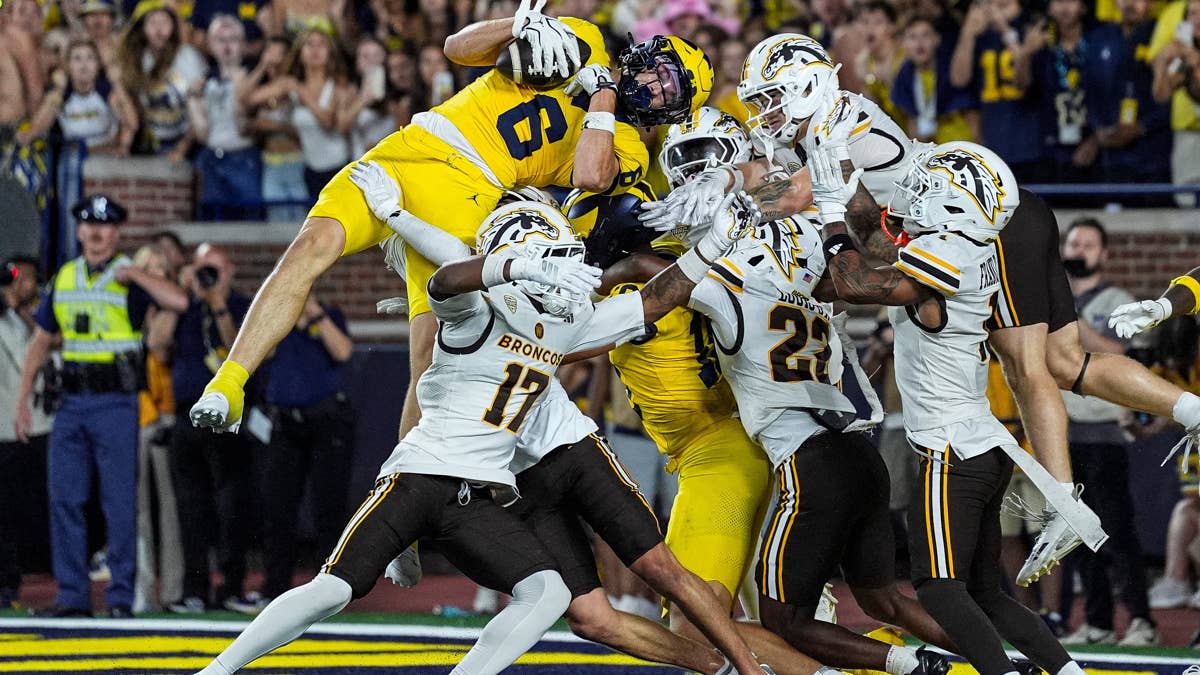
The controversy erupted in the final seconds at Michigan Stadium. With the clock seemingly hitting zero, the referees reviewed the play and determined that Western Michigan's #18 had jumped from an out-of-bounds position and touched the ball with one second remaining. That ruling set up a desperation heave that somehow found its mark, giving Michigan an improbable win and igniting a firestorm.
The Big Ten released a detailed explanation, citing NCAA rule 4-2-3-a and emphasizing that all cameras were synced via a strobe system 85 minutes before kickoff. "Following video review, it was determined Western Michigan’s #18 started his jump from an established out-of-bounds position (left foot) and made contact with the ball with one second remaining on the clock," the statement read. But for many, the explanation only added fuel to the fire.
Fans have taken to social media, demanding investigations and even calling for unprecedented intervention. The uproar has also revived debates about the officiating crew's perspective and whether the replay process truly captured the correct angle.
This isn't just a blip on the radar; it's a full-blown scandal that could have lasting repercussions for the Big Ten. Wolken's prediction of firings suggests that the conference may be forced to take drastic action to restore public trust. The question now is whether the Big Ten will proactively address the situation or wait for external pressure to mount.
Meanwhile, Michigan fans are reveling in the win, though their celebration has drawn criticism from those who see the victory as tainted. The Big Ten's official stance has done little to quell the anger, and the debate shows no signs of cooling down.
As the week progresses, all eyes will be on the conference's next move. Will there be internal reviews? Will officials be disciplined? Or will the Big Ten dig in and defend its process? One thing is certain: the fallout from this game is far from over, and the demand for accountability is only getting louder.