The NFL is notorious for its annual shake-up—last-place teams can vault to division titles in a single offseason. But as the 2026 regular season looms, ESPN's Football Power Index (FPI) has run the simulations and identified the ten franchises most likely to be playing in January.
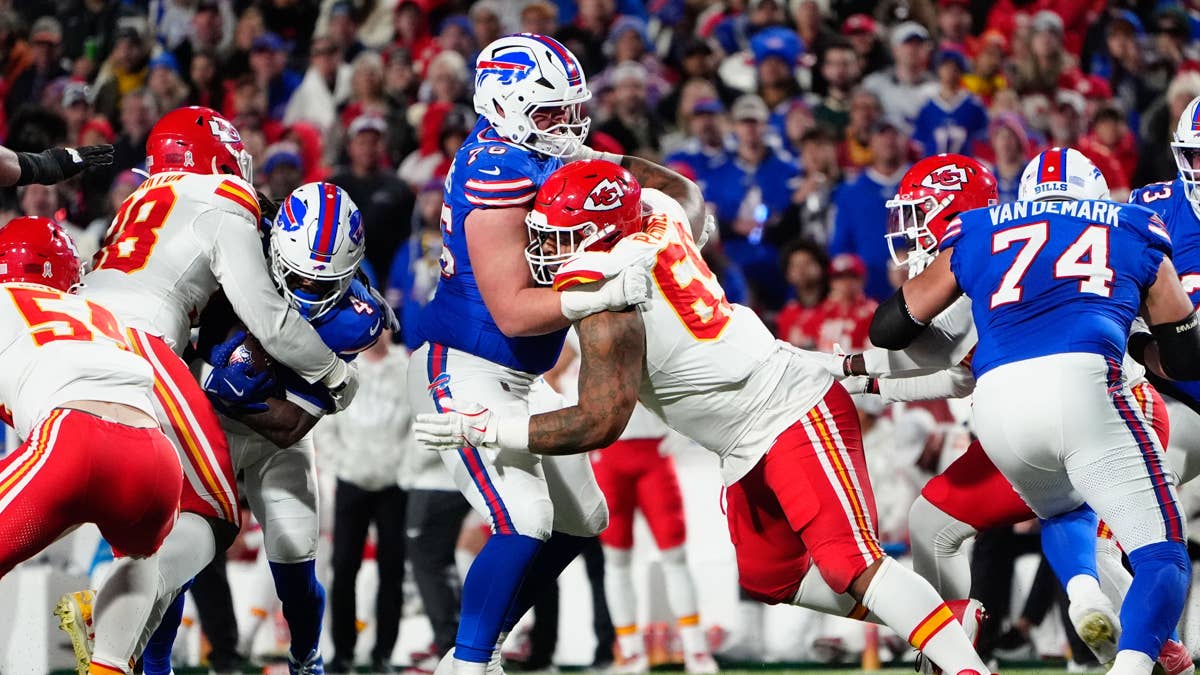
After thousands of computer-generated scenarios, the FPI model projects the Buffalo Bills, Baltimore Ravens, Los Angeles Rams, Cincinnati Bengals, Seattle Seahawks, Detroit Lions, Kansas City Chiefs, San Francisco 49ers, Los Angeles Chargers, and Green Bay Packers as the league's premier playoff contenders.

Some names, like the Chiefs and 49ers, are no surprise—they've been fixtures in the postseason conversation for years. Others, such as the Seahawks and Lions, represent a shift in the power balance. The Lions, in particular, have been building momentum, and the model sees them as a serious threat in the NFC.
How does the FPI arrive at these predictions? According to ESPN, the Football Power Index is a team-strength metric designed to forecast performance for the remainder of the season. It measures how many points a team is above or below average and then runs 10,000 simulations using that data, along with results to date and the remaining schedule. The result is a probability-based projection that updates daily.
“FPI is a measure of team strength that is meant to be the best predictor of a team’s performance going forward for the rest of the season,” ESPN explains. “Projected results are based on 10,000 simulations of the rest of the season using FPI, results to date, and the remaining schedule.”
While the FPI's list leans heavily on recent history and roster stability, it's worth noting that the NFL's parity means a few of these teams could stumble, while dark horses emerge. For instance, Dak Prescott has set the playoffs as a baseline for the Cowboys in 2026, yet Dallas didn't crack the top ten—a reminder that even star quarterbacks face an uphill climb in a loaded conference.
The FPI's methodology has drawn both praise and skepticism. Critics argue that computer models can't fully account for injuries, coaching changes, or locker-room chemistry. But the system's track record—especially in identifying early-season trends—has made it a go-to resource for fans and analysts alike.
For now, these ten teams have the numbers on their side. Whether they can turn simulation into reality will be decided on the field starting this fall. The countdown to kickoff is on, and the FPI has already placed its bets.