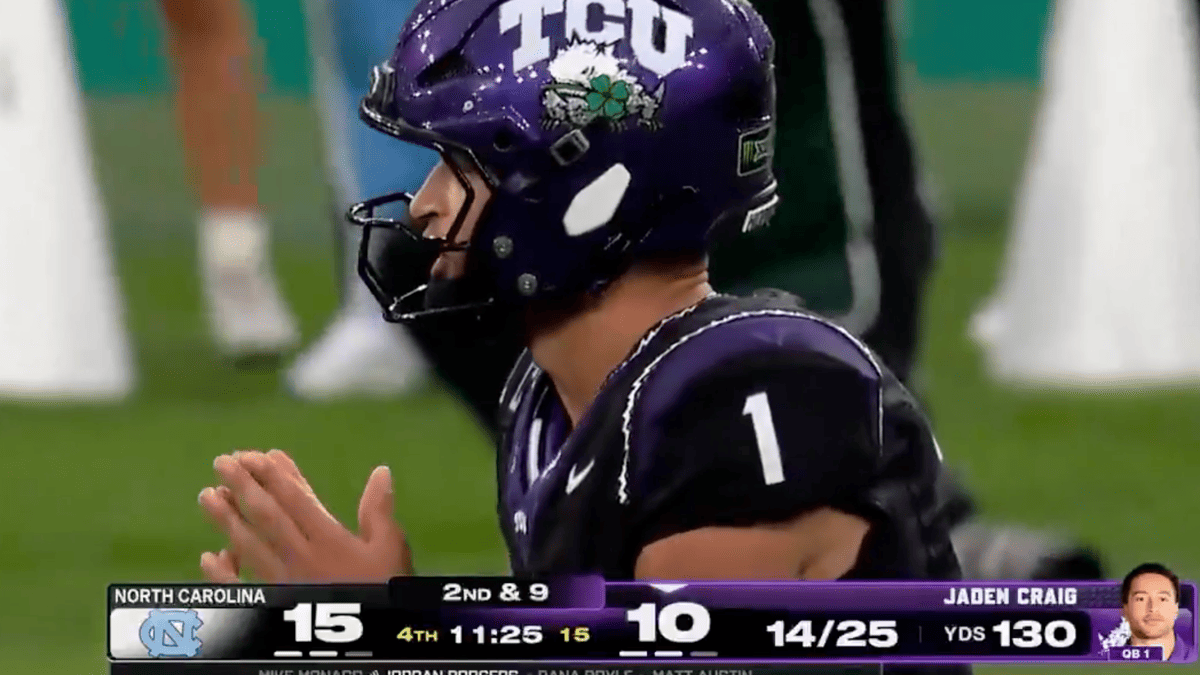
College football fans tuning into ESPN's season opener on Saturday were met with a revamped broadcast experience. The network made two significant changes: it removed the long-standing bottom-line ticker and introduced a new feature that identifies which announcer or sideline reporter is currently speaking, right on the scorebug.
The move is part of ESPN's effort to modernize its presentation, but it's sparked a lively debate among viewers. While some appreciate the cleaner look, others are questioning the need for the new graphic.

Why ESPN Ditched the Ticker
ESPN explained its decision to remove the BottomLine ticker, a staple of its broadcasts for years. A spokesperson told Front Office Sports that the change is about enhancing the viewing experience.
“We’re always looking for ways to better serve sports fans. By removing the BottomLine during live action, we’re creating a cleaner presentation that keeps the focus where it belongs—on the field,” the spokesperson said.
Instead of a constant scroll, ESPN will provide score alerts at specific times during each quarter, ensuring fans still get updates on other games without the visual clutter.
The 'Who's Talking' Feature
The second tweak is the new scorebug element that shows the name of the broadcaster currently on the mic. This is designed to help viewers put a name to the voice they're hearing, but it's proven to be a polarizing addition.
On social media, reactions ranged from enthusiastic support to outright disdain. One fan tweeted, “Helps new fans get to learn broadcasters, no objection from me. Very easy to look away and just watch the game if you don’t like it.”
But others were less impressed. “People who care about the announcers know who is on the call. The rest doesn’t need this graphic because they don’t care,” countered another user.
Critics were even harsher, with one fan declaring, “Will easily go down as one of the top 5 missteps of evolving sports tv broadcasts…probably tied for #1 with the glowing puck…” Another simply said, “So dumb…no one cares who is talking. 2 of the 4 don’t talk more than 3x a game. How is this an upgrade?”
The removal of the ticker also drew ire. “Bring back the bottom line sports ticker. We need to see in real time what the scores are. Otherwise we are clicking on other media sites to find out,” one frustrated viewer wrote.
Mixed Reactions, Bigger Questions
Not all feedback was negative, though. Some fans see the new feature as a helpful tool for newcomers to the sport, echoing a sentiment that media personnel changes are always a topic of interest. Others, like Ben Houselog, took a sarcastic jab: “How do we make these games about us?”
ESPN's changes come at a time when the network is also navigating the post-Bill Rasmussen era, as the founder's passing has sparked reflection on the network's evolution. While Rasmussen's vision was about bringing sports to fans, today's decisions are about enhancing the digital experience.
It's unlikely any change will please everyone, but the new scorebug feature is hardly the most controversial in sports TV history. Compare it to the infamous glowing puck in hockey, and it's a minor tweak. Still, for a network that's always been at the forefront of broadcast innovation, this one has fans talking — even if they're not all in agreement.
Whether ESPN will adjust based on feedback remains to be seen. For now, the debate is part of the game.