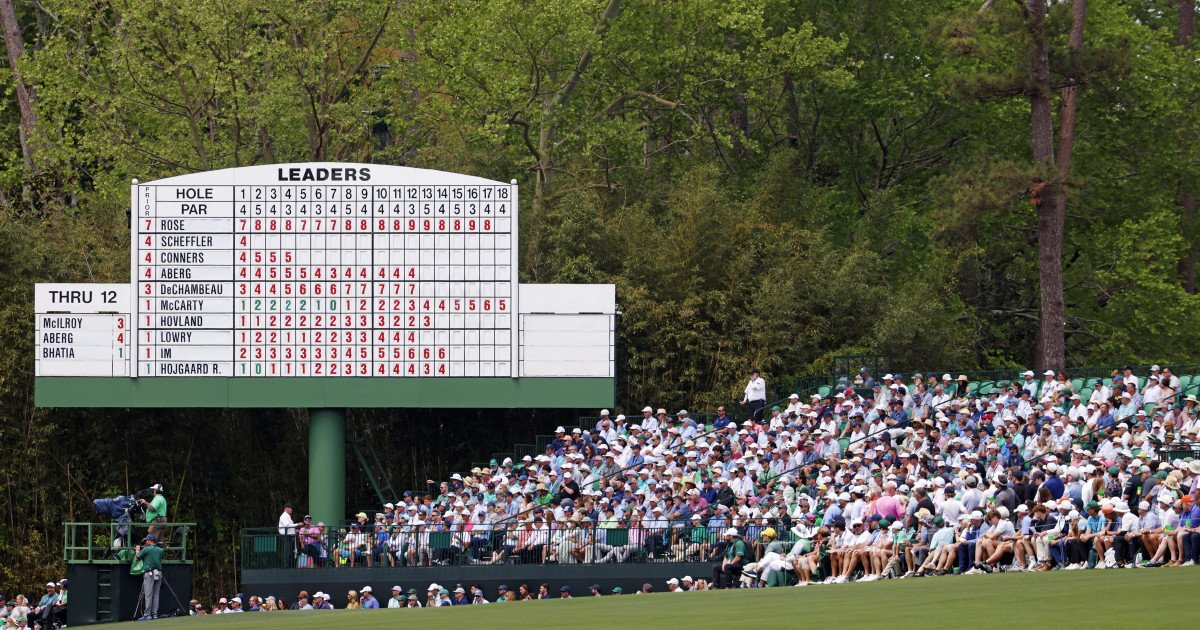
The azaleas are about to bloom, the greens are getting faster, and the sports world is turning its eyes toward Augusta National. But this year, the traditional pre-Masters buzz has hit a sour note, and the broadcaster holding the microphone is taking the heat.
ESPN, which will air the first two rounds of the iconic tournament in mid-April, has unveiled its promotional anthem for the 2026 Masters: a fresh take on "Georgia On My Mind" performed by country star Thomas Rhett. The move, intended as a tribute from one Georgia native to another, has backfired spectacularly, igniting a firestorm of criticism from the golf faithful who view any deviation from Ray Charles's timeless original as sacrilege.

A Tradition Interrupted
For years, ESPN's winter teasers featuring Charles's haunting, soulful rendition have been as much a part of the Masters build-up as speculation about Tiger Woods's comeback. The network described Rhett's version as the "seventh rendition" of the classic, created with reverence in the studio. But for a fanbase steeped in tradition, reverence wasn't enough.
The reaction across social media and golf forums was swift and merciless. "Nope, this ain't it," declared one fan, setting the tone for a chorus of disapproval. Another posed a pointed question: "Why do they keep messing around with any version except the original? Thomas Rhett isn't going to bring any additional eyeballs... All they're doing is angering off the core audience."
The Fan Verdict Is In
The critiques ranged from dismissive to deeply offended. "Weird. Still not Ray Charles," read one typical comment. Another labeled the track "offensively bad," calling the move "Ray Charles erasure." The sentiment was clear: in the hallowed world of the Masters, some things are untouchable. The music that scores the anticipation is one of them.
This controversy lands as ESPN prepares its comprehensive coverage from Augusta, with live telecasts scheduled for Thursday, April 9, and Friday, April 10. The network is no stranger to Masters drama, having previously navigated stories like Kenny Mayne's alleged lifetime ban. But this uproar is uniquely about the tournament's sensory identity—the sounds and feelings that signal its arrival.
It raises a broader question about modernizing sports traditions. While new faces like Thomas Rhett can bring fresh energy, the core audience often clings to the iconic elements that first defined an event's grandeur. The backlash suggests that for many, the soul-stirring piano of Ray Charles isn't just a song; it's the official start of spring and the promise of golf's greatest theater.
As the sports world also buzzes with sightings of Tiger Woods's private jet and debates over the Champions Dinner menu, this musical misstep proves that every detail matters in the lead-up to the Masters. Whether ESPN will course-correct or stand by its new anthem remains to be heard. But one thing is certain: when the broadcast begins next month, the only roars ESPN wants are coming from Amen Corner, not from angry fans on social media.