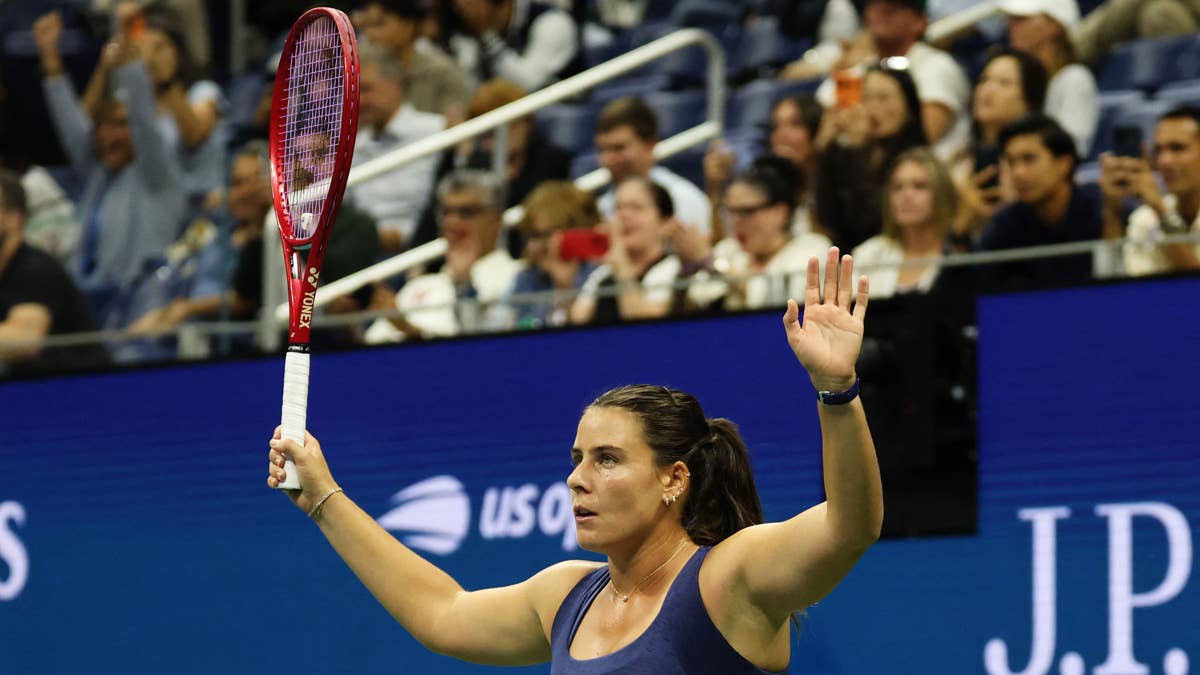
Emma Navarro, the American tennis star who once climbed to No. 8 in the WTA rankings, has decided to pull back the curtain on a private struggle that has shaped her recent years. In a heartfelt statement on Sept. 30, Navarro disclosed that she has been battling RED-S (Relative Energy Deficiency in Sport) and Hashimoto's hypothyroidism—conditions that have profoundly impacted her career and daily life.
Navarro's 2025 season was a turbulent one, with the 2026 campaign starting slowly as she grappled with symptoms that left her and her team searching for answers. While fans knew she was dealing with health issues, the specifics remained under wraps until now. In her statement, Navarro explained that these challenges began nearly three years ago, rooted in the demanding choices she made early in her professional journey.
“As you all may know, I have faced some health challenges recently. What you probably don’t know is that these challenges began almost three years ago and were heavily influenced by the choices I made early in my professional career relating to training, fueling, competing and recovery,” Navarro wrote. “I have been generally private about this topic while I worked to sort through the issues, but I feel that now is a good time to share a bit about what I have gone through as well as my vision for the remainder of the year.”
Navarro detailed the difficult road to diagnosis, which came in the fall of 2025 after years of puzzling symptoms. RED-S, a condition where the body doesn't receive enough energy to meet the demands of training and everyday life, was compounded by Hashimoto's hypothyroidism, creating a complex puzzle of managing energy intake, expenditure, and medication. She expressed a desire to share her story not only for her loyal supporters but also for anyone who might be facing similar battles.
“I feel compelled to share my story both out of respect for my loyal followers who have stuck with me through the highs and lows of the last year, and also in the hope that it will resonate with at least a few people who may be facing similar struggles,” she added.
Despite the setbacks, Navarro found a turning point in May, clinching a WTA 500 title on clay. A solid grass-court season followed, and she capped it off with a quarterfinal run at the US Open. After defeating Anna Kalinskaya in the fourth round, Navarro spoke of her joy at returning to Arthur Ashe Stadium: “It feels good to be back on Ashe. It has been a couple of years, and I missed it a ton. I love playing out here, and thank you guys for staying late tonight. We’re working the night shift.”
Her resilience and openness have resonated with the tennis community, drawing parallels to other athletes who have faced health challenges, such as Darrell Waltrip's recent health battle. Navarro's decision to go public is a powerful reminder of the unseen battles athletes often fight, and her story has sparked conversations about the pressures of professional sport, much like the recent debate over tennis stars' off-court choices.
As Navarro looks ahead, she carries the momentum from her US Open run into the Australian Open in January. Her journey is a testament to perseverance, and her willingness to share her struggles offers hope to many. The tennis world will be watching, eager to see what she achieves next.